This will be the last post as we are curtailing our fantastic travel experience following updated advice from UK foreign office.
What a day it has been … and it’s far from being over.
Got woken up at 4.45 am by the (false) fire alarm in the hotel. But every cloud has a silver lining as this allowed us to react early before everybody else is awake …
Finding a flight from Bangkok to London
Booking flight from Krabi to Bangkok
Booking taxi to Krabi airport
Rearrange booking for taxi to pick us up in London
Cancel remaining hotel booking in Krabi
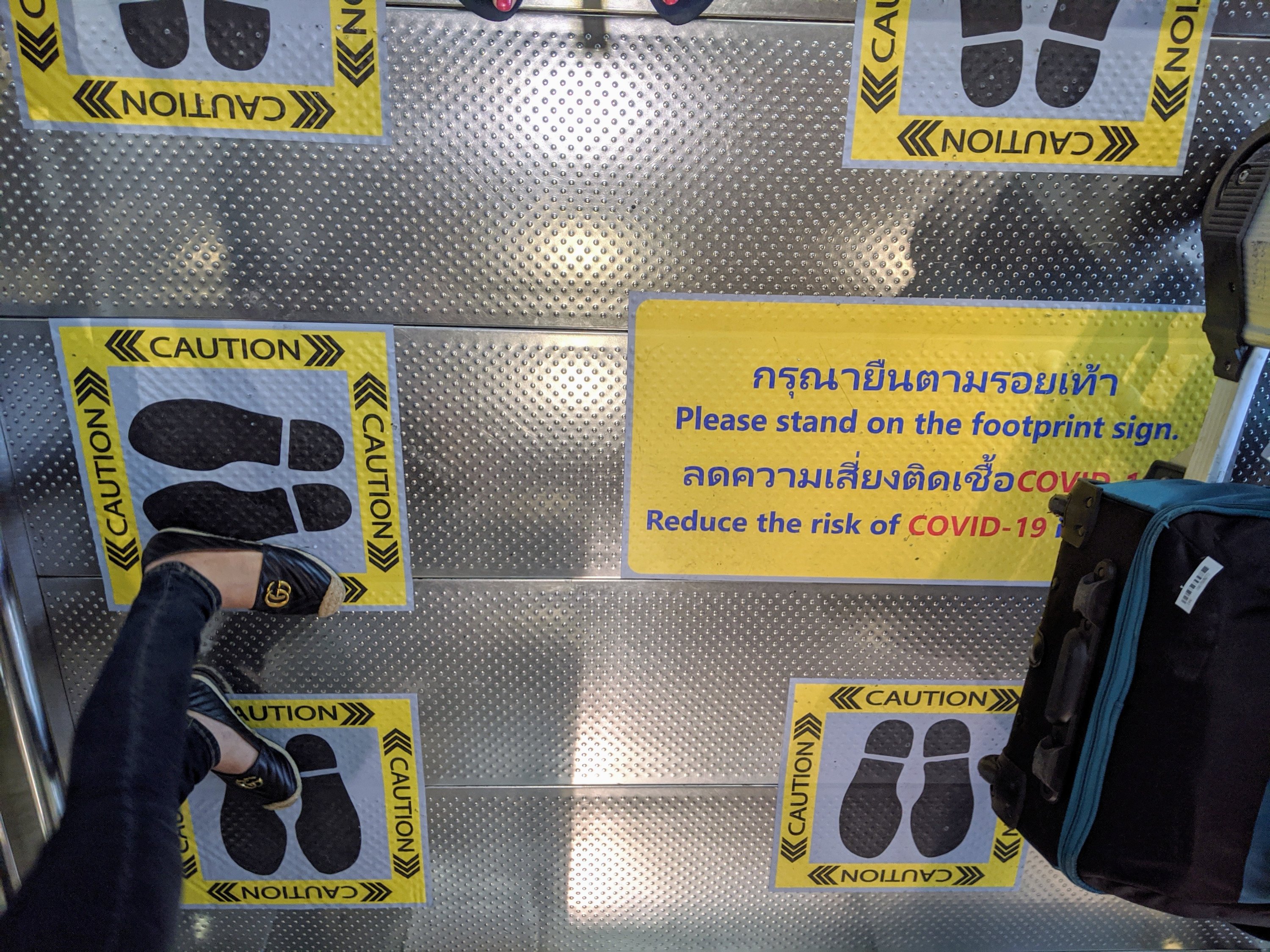
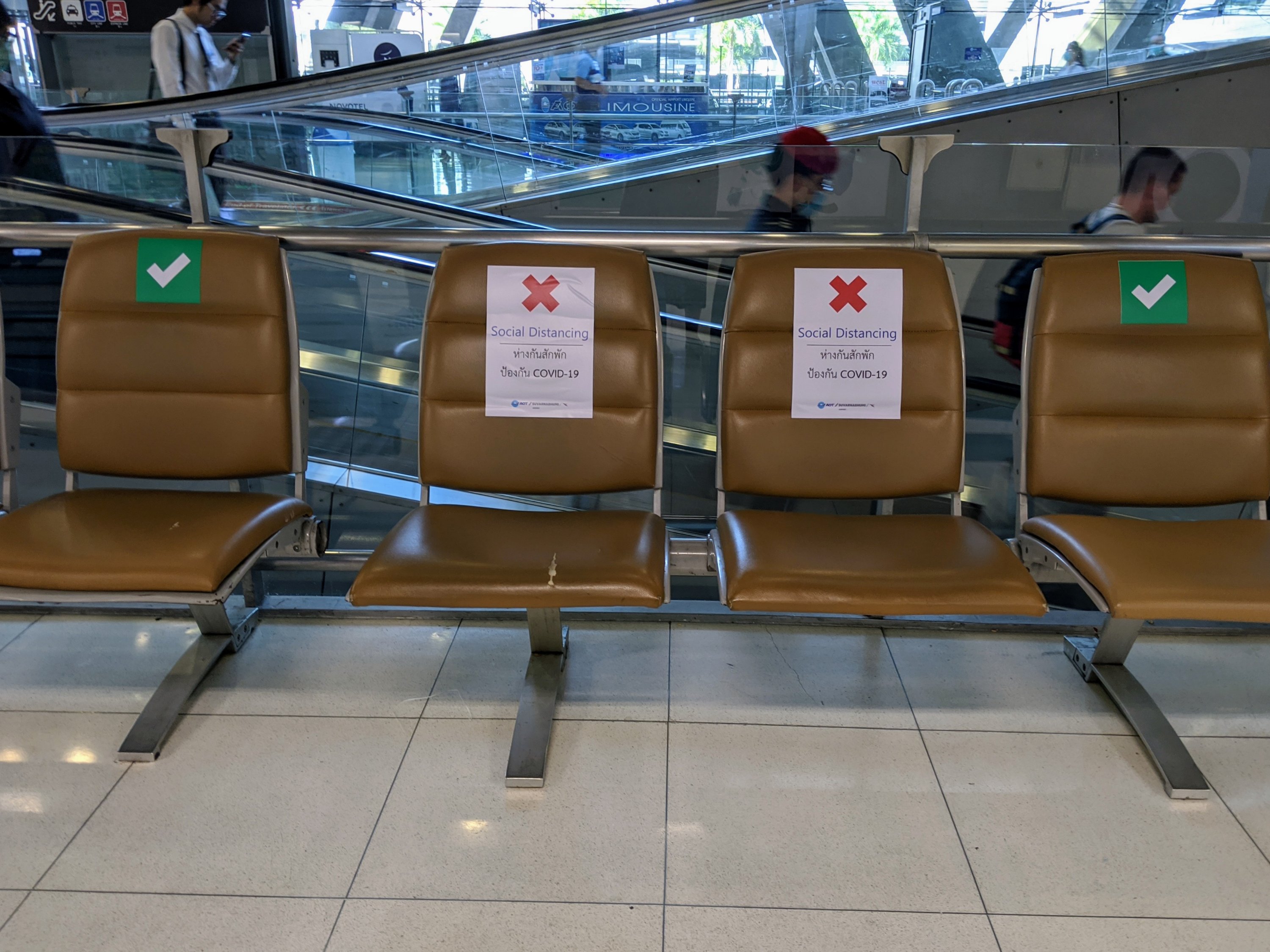
Interesting times to travel. Roads being fairly quiet even in busy Bangkok but 1000s of people at the airport with many still trying to buy flights and plenty of precautionary measures in place
Not forgetting temperature checks before you can enter or leave the airport
But we made it … at least so far
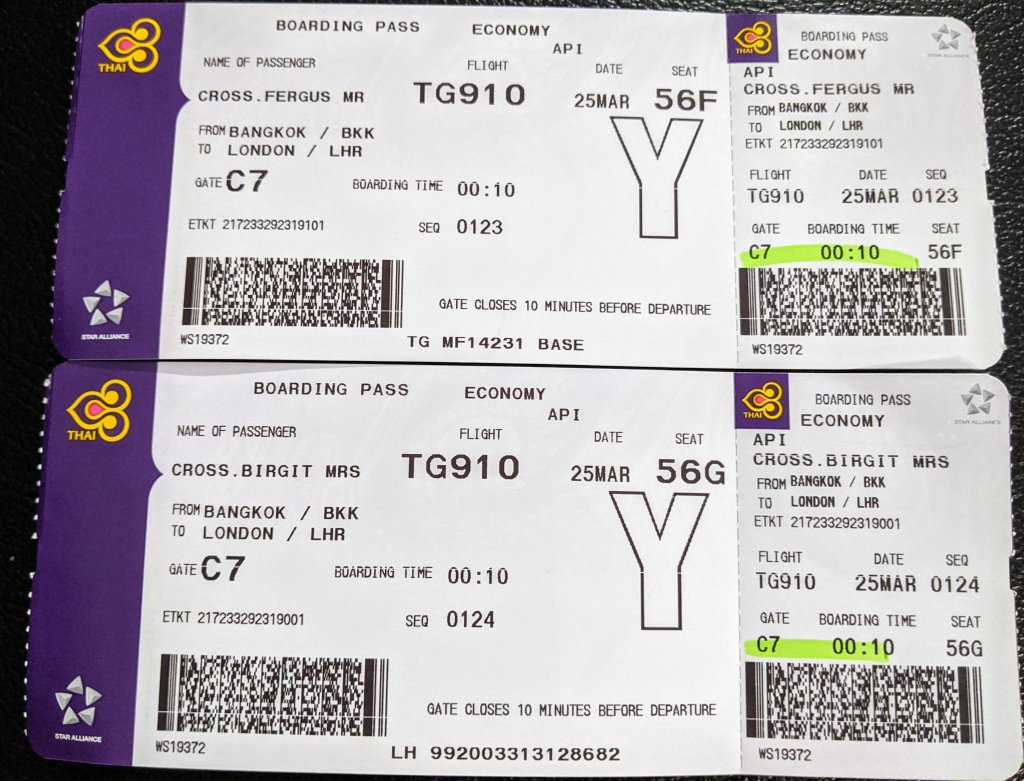
Precious boarding pass back to London. Flight expected to leave in the next hour.
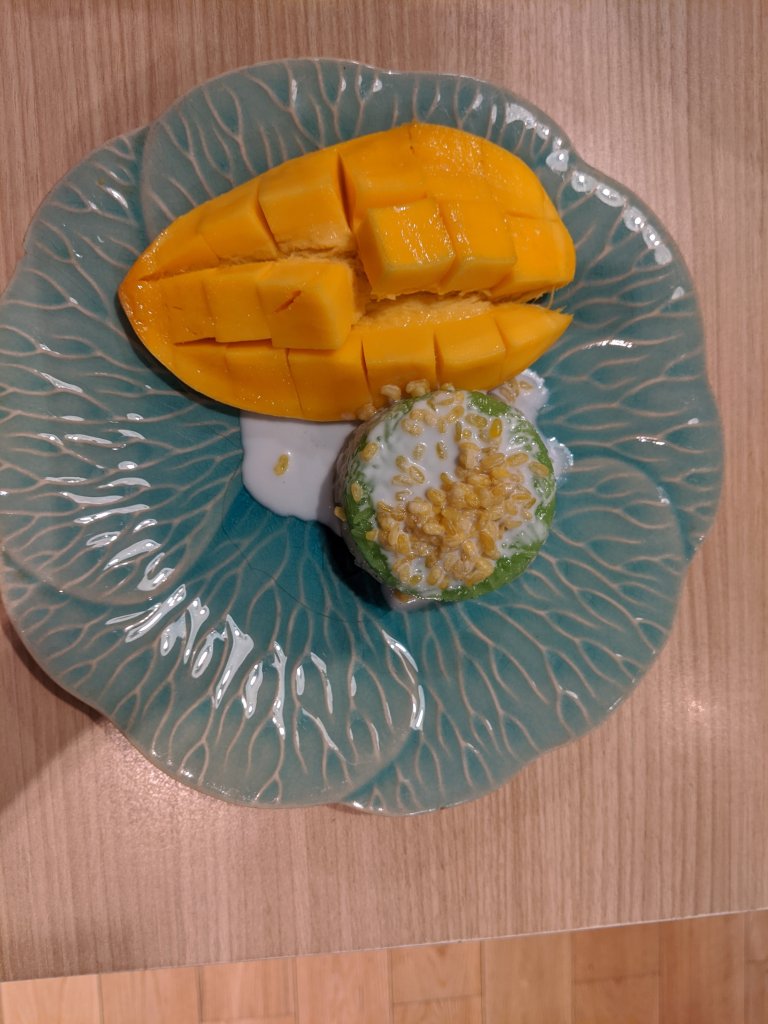
In the spirit of making the most of it, we went for one final Thai meal.
Something I wanted to eat all along but always was too full to manage – Sweet Sticky Rice with Mango. Very Yummy
This is the end of this trip, but will be back to finish off what we couldn’t do this time round.
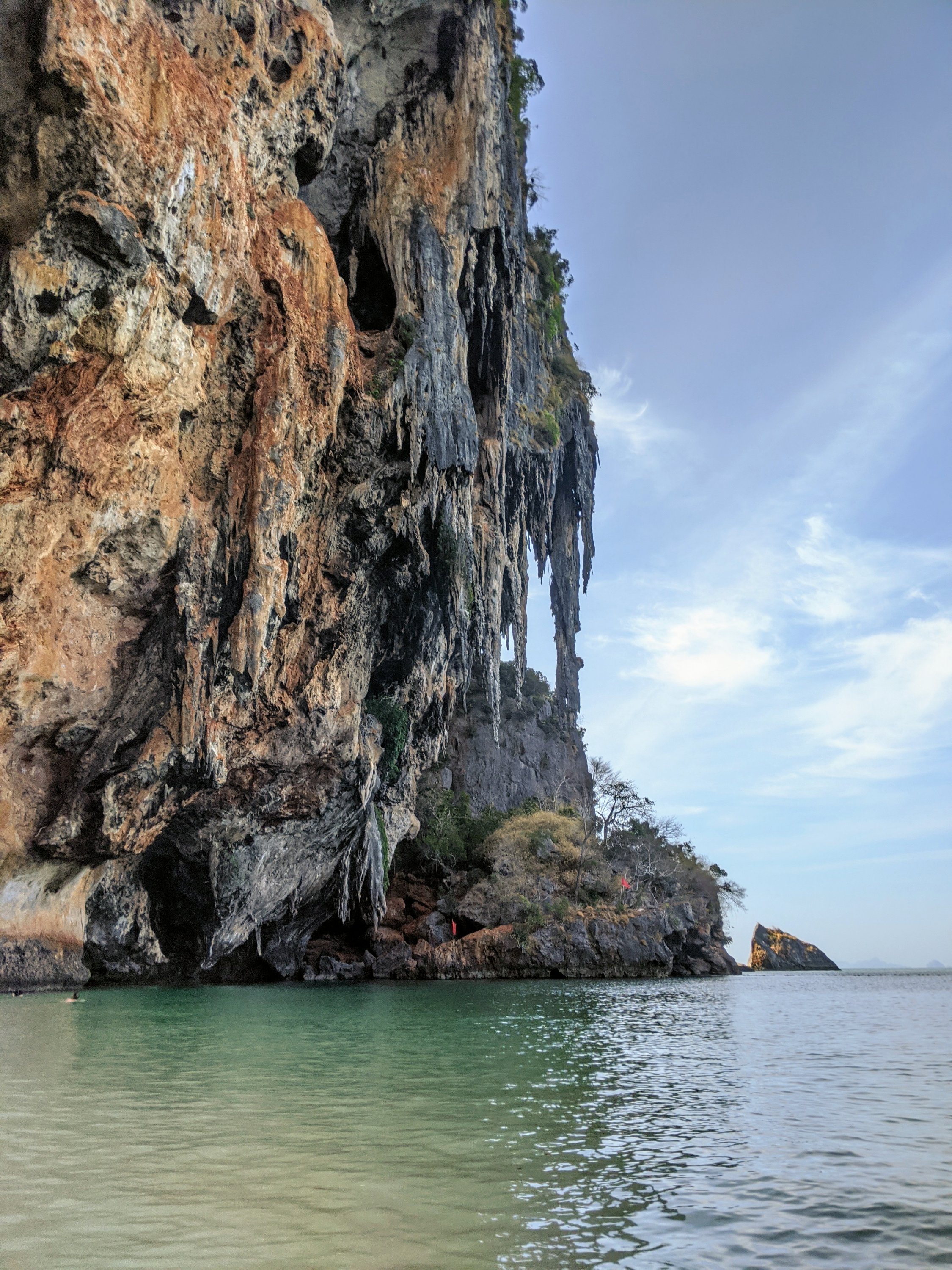
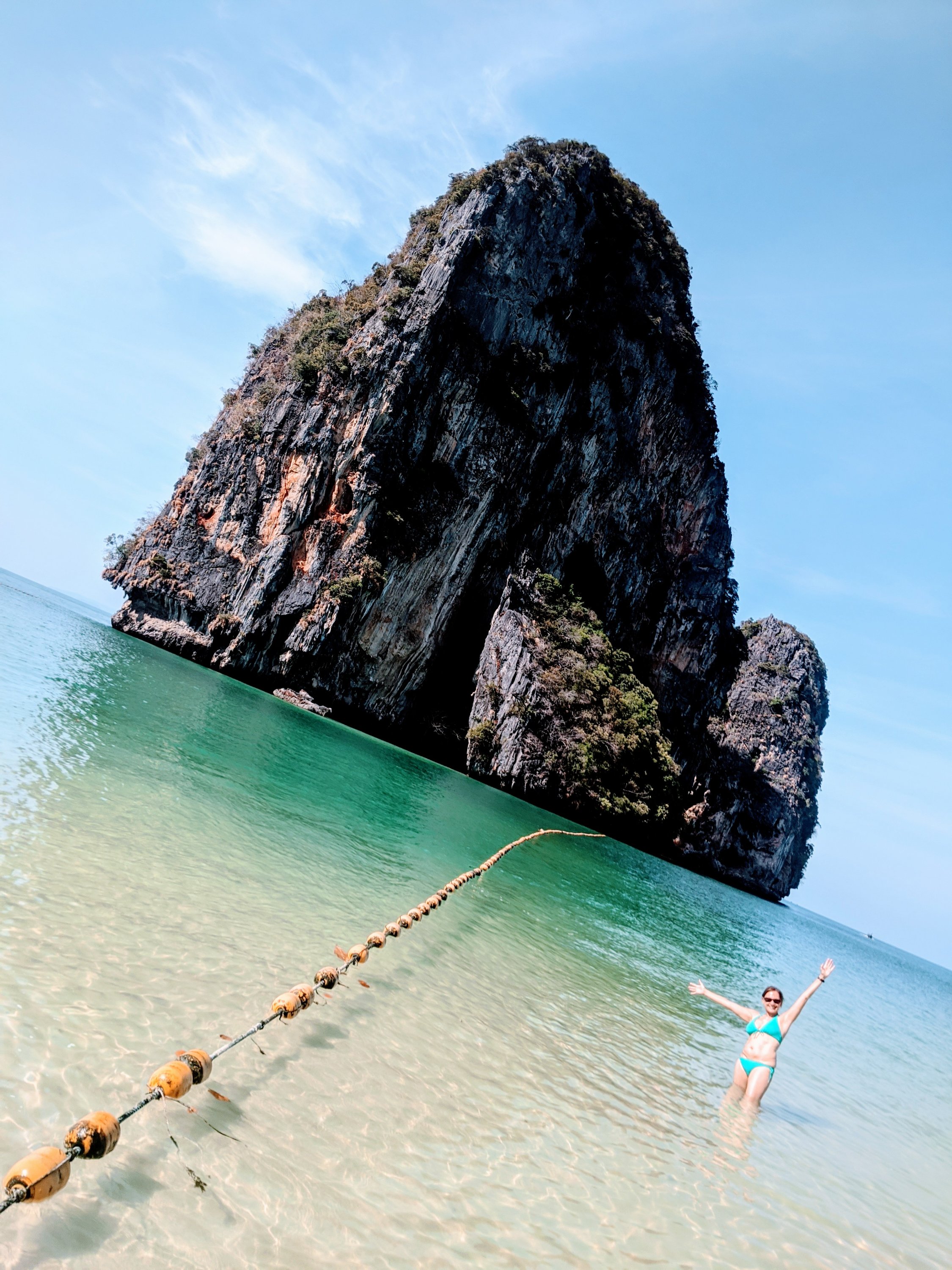
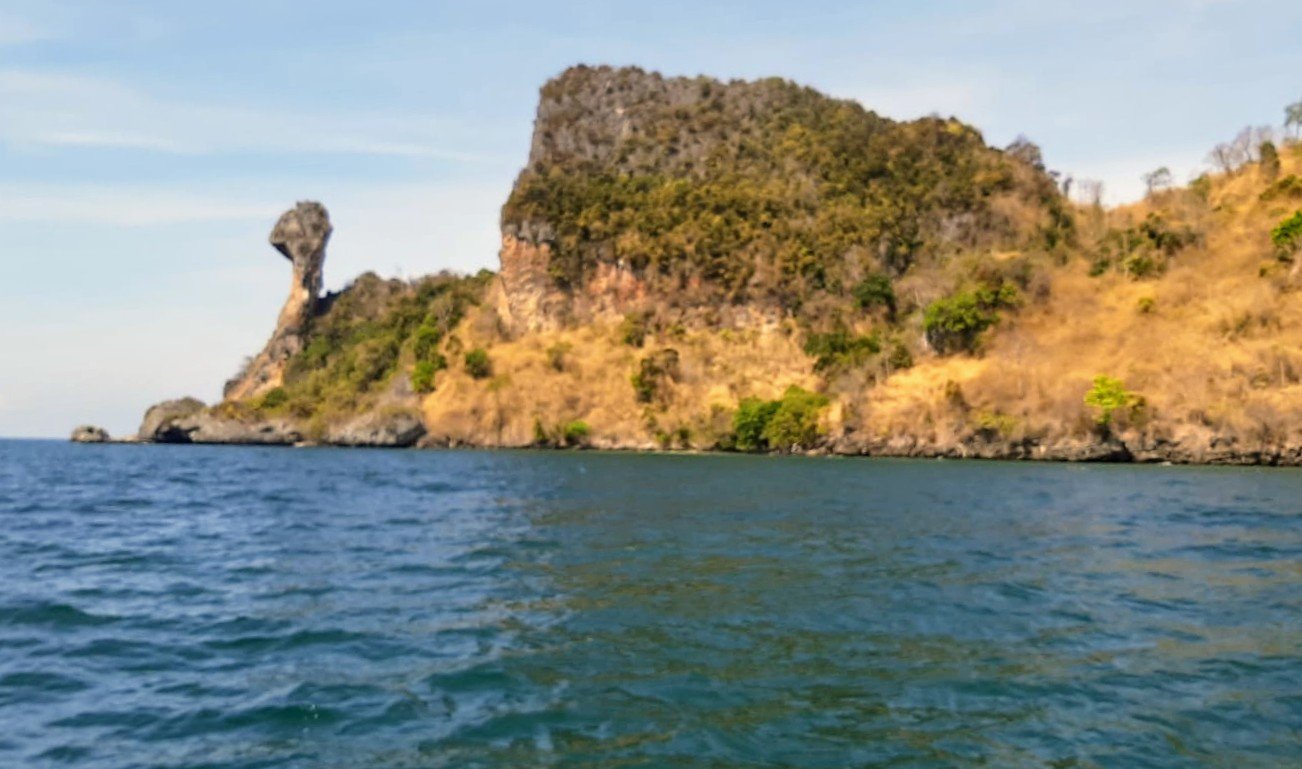
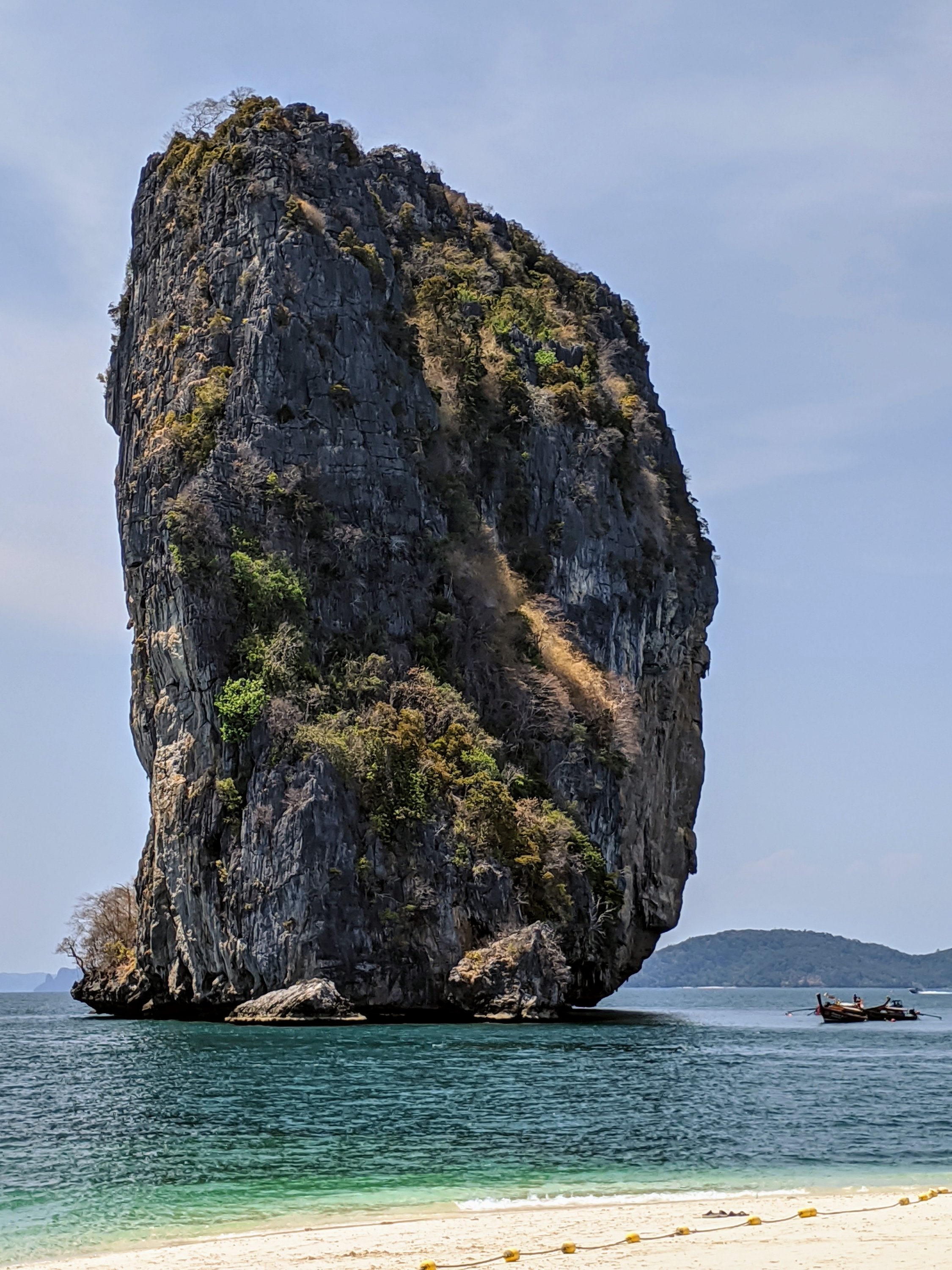
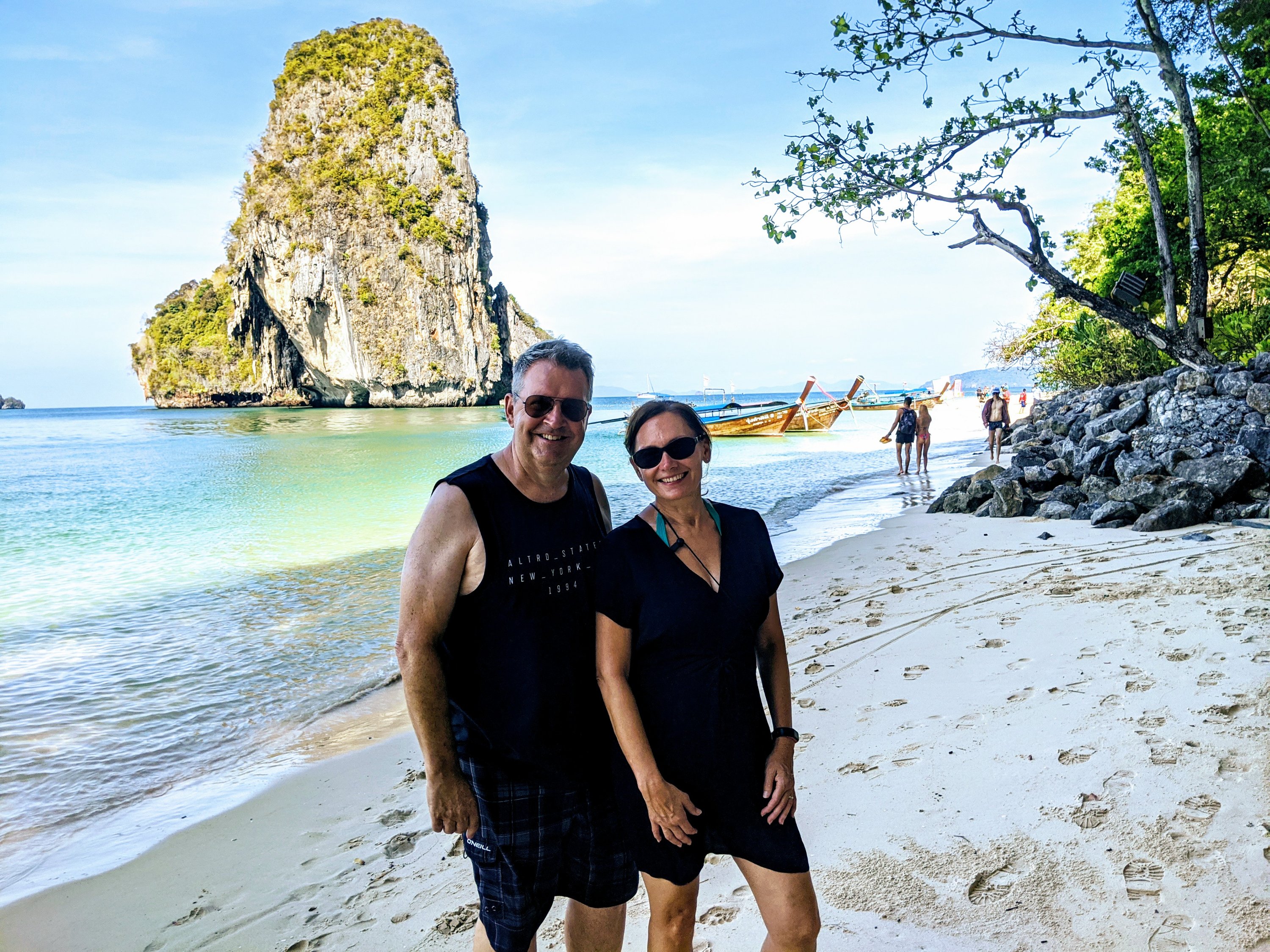
As we have to cut short (or cancel to be precise) our Thailand island hopping adventure, we thought we would enjoy a day visiting small islands offshore from Ao Nang.
White sand, sun and beautiful blue sea – something to remember in the weeks to come …
4 island tour by speed boat
There are still a few people around but certainly not as crowded as normally.
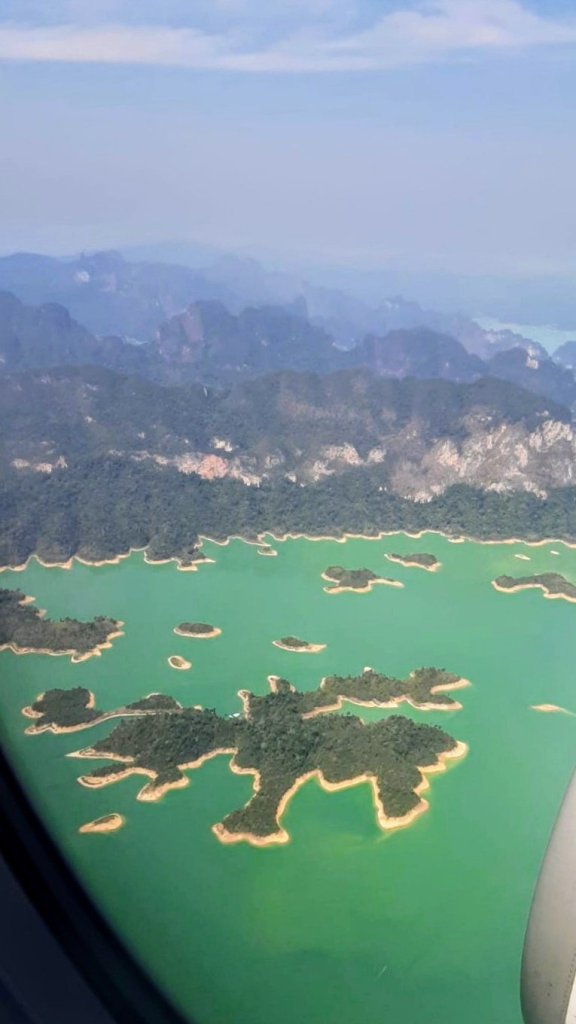
Millions of years ago, probably the biggest coral reef of all time was forming and growing around a landmass where modern Thailand is today, reaching from the South of China all the way down to Borneo.
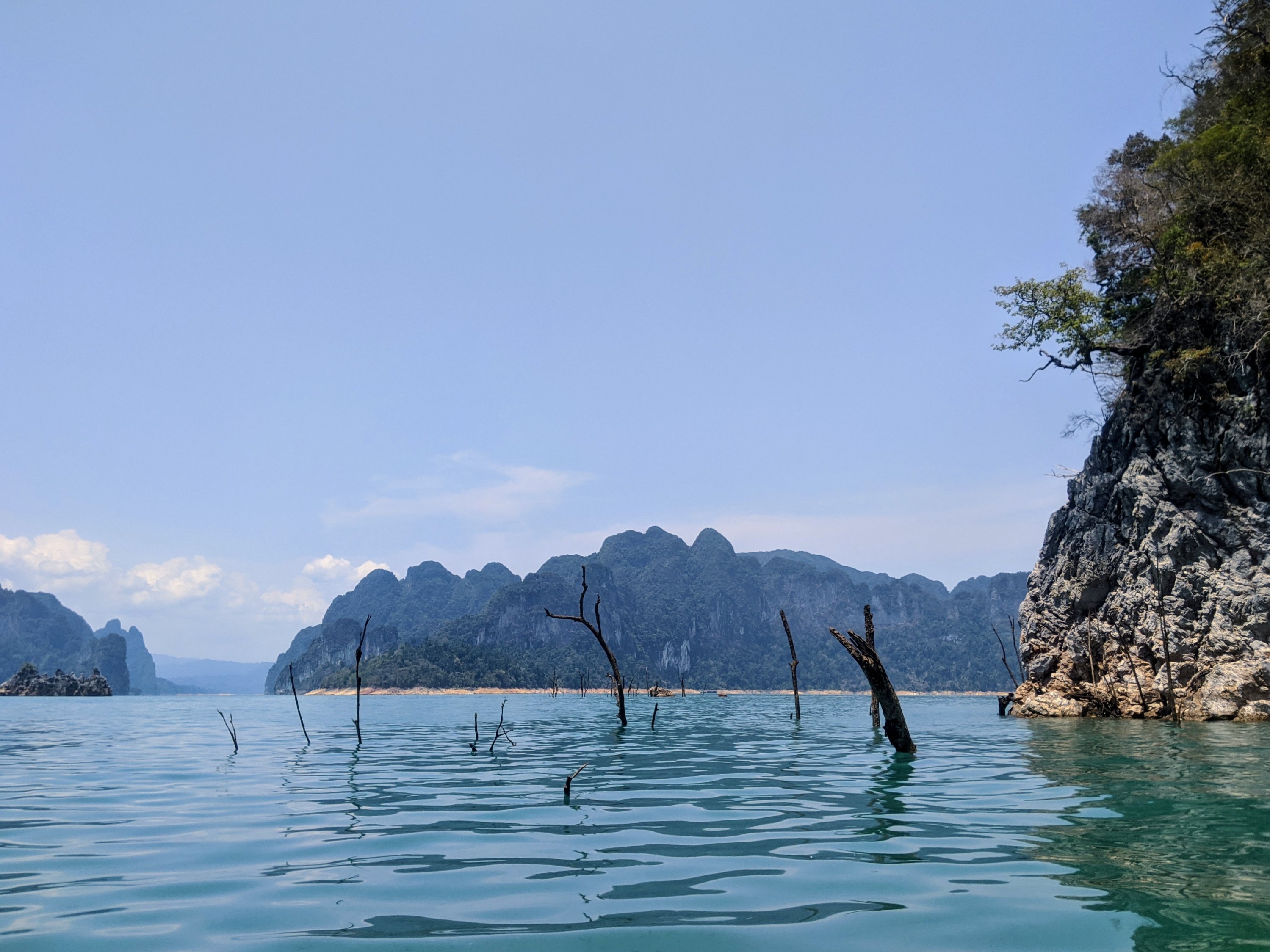
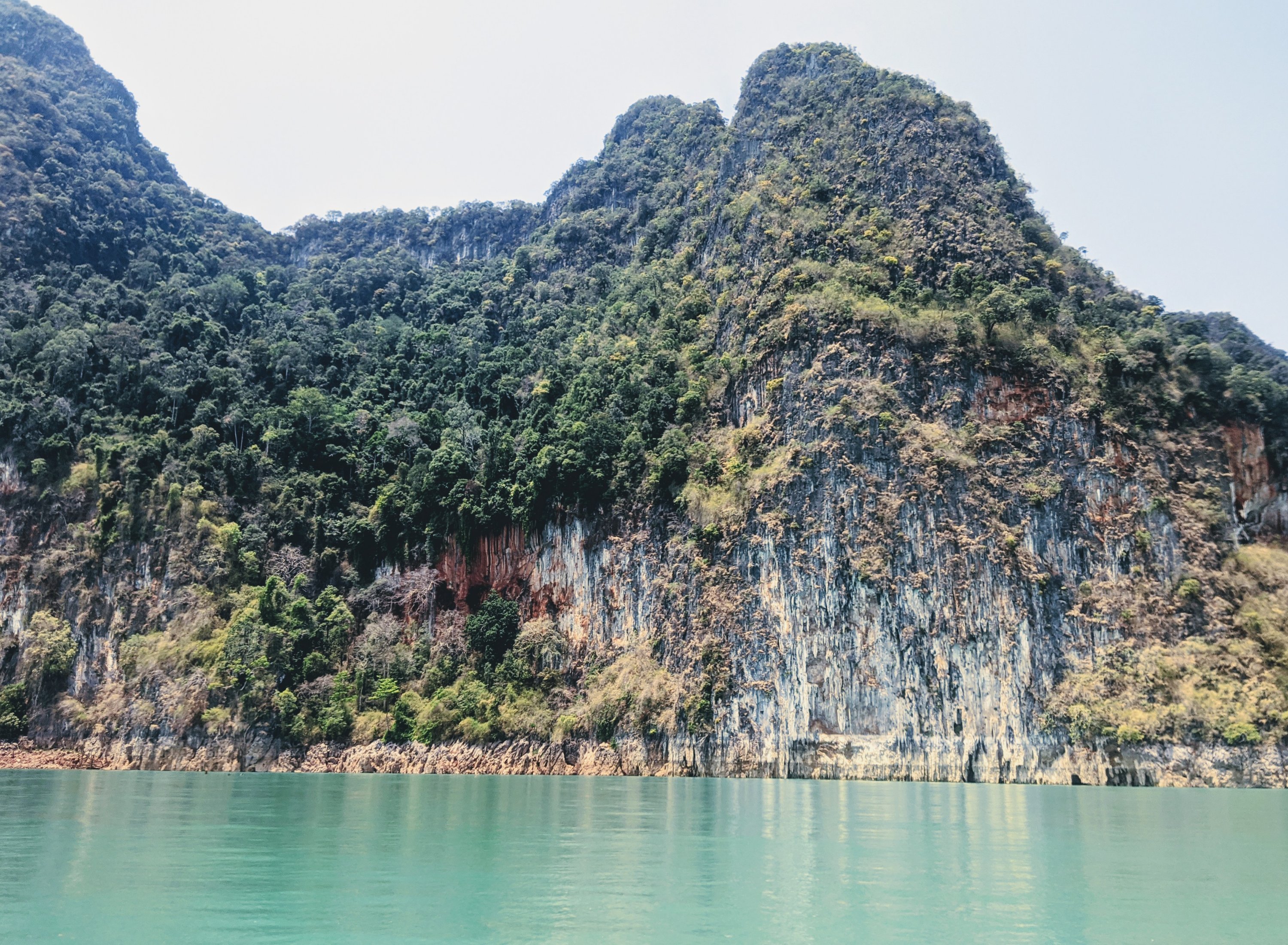
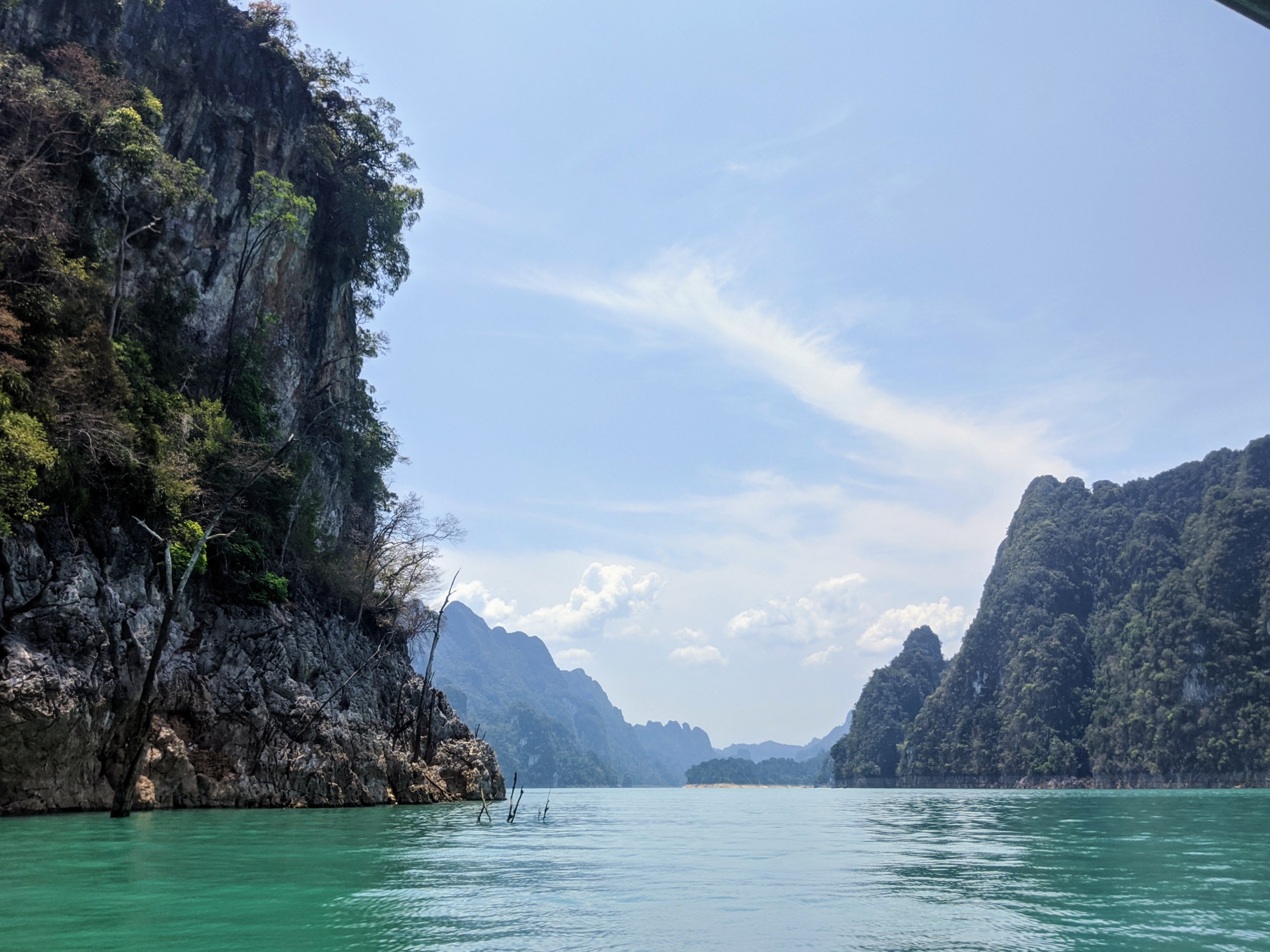
Imagine, all of what we see at Khao Sok National Park used to be under water as part of this gigantic coral reef.
On our flight from Bangkok to Surat Thani, we flew over Khao Sok and Cheow Larn Lake
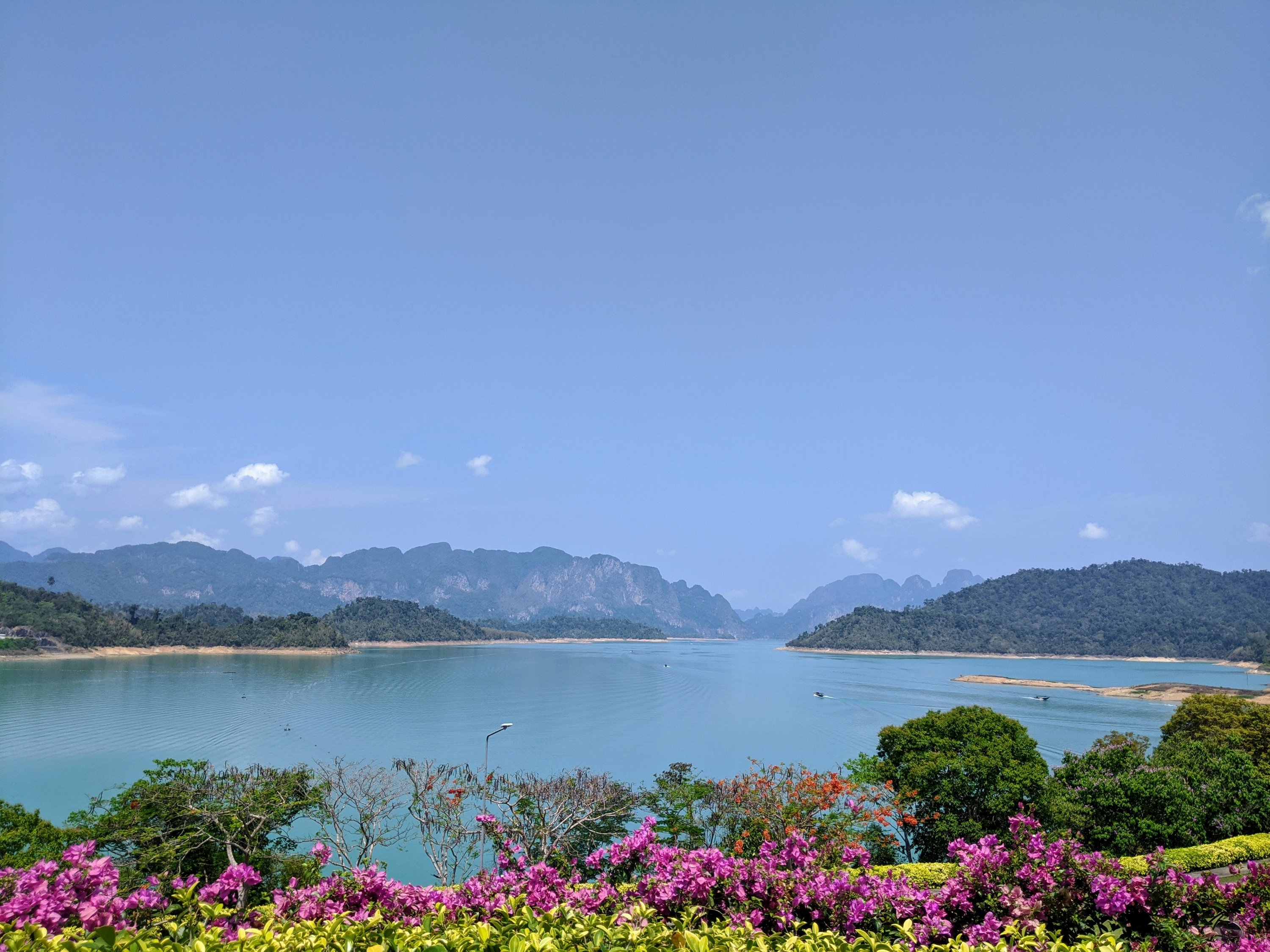
Today Khao Sok is one of the oldest rainforests in the world and it’s interspersed by hidden waterfalls (not right now as still in the dry season) and caves.
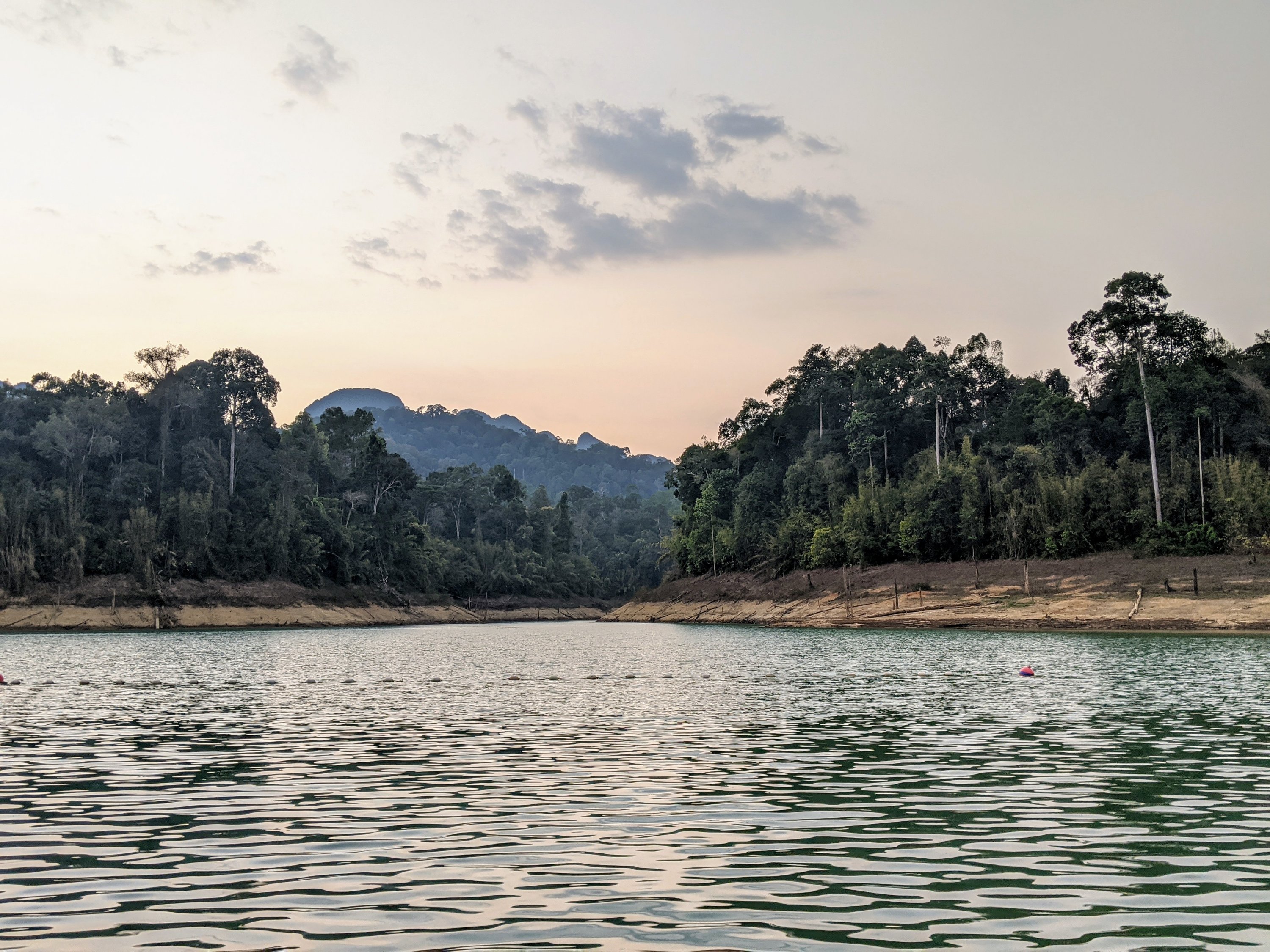
Khoa Sok NP and Cheow Larn Lake
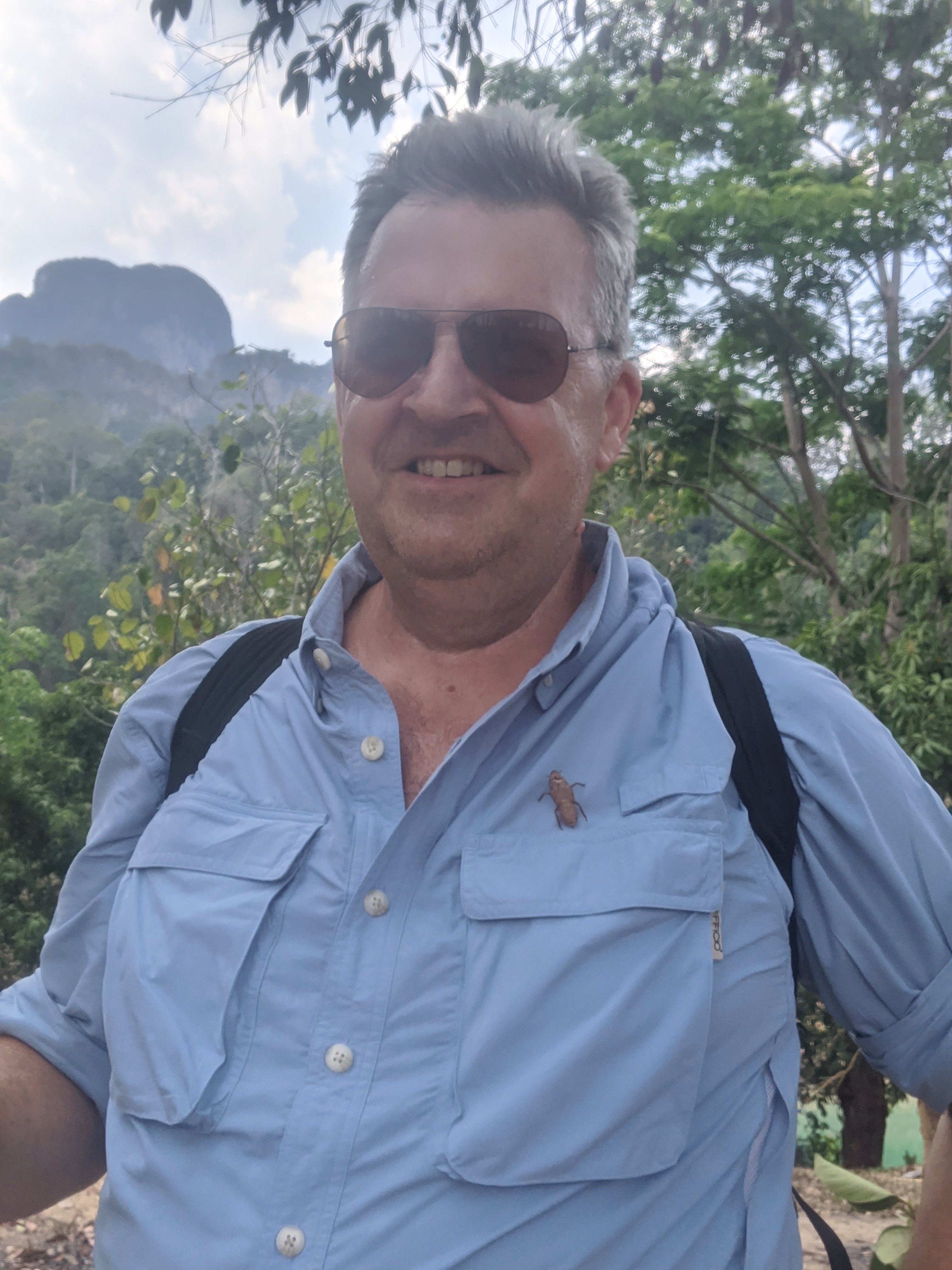
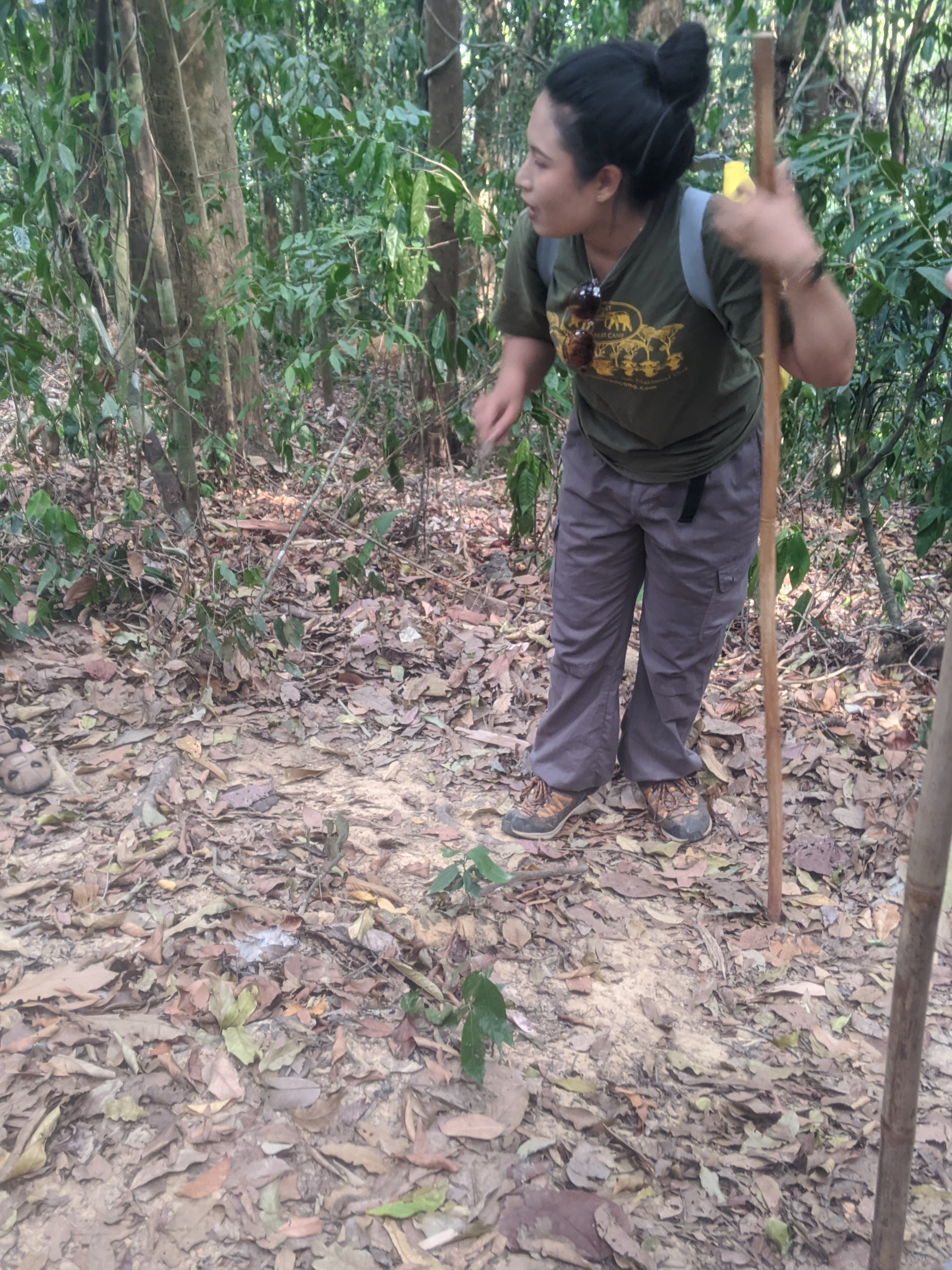
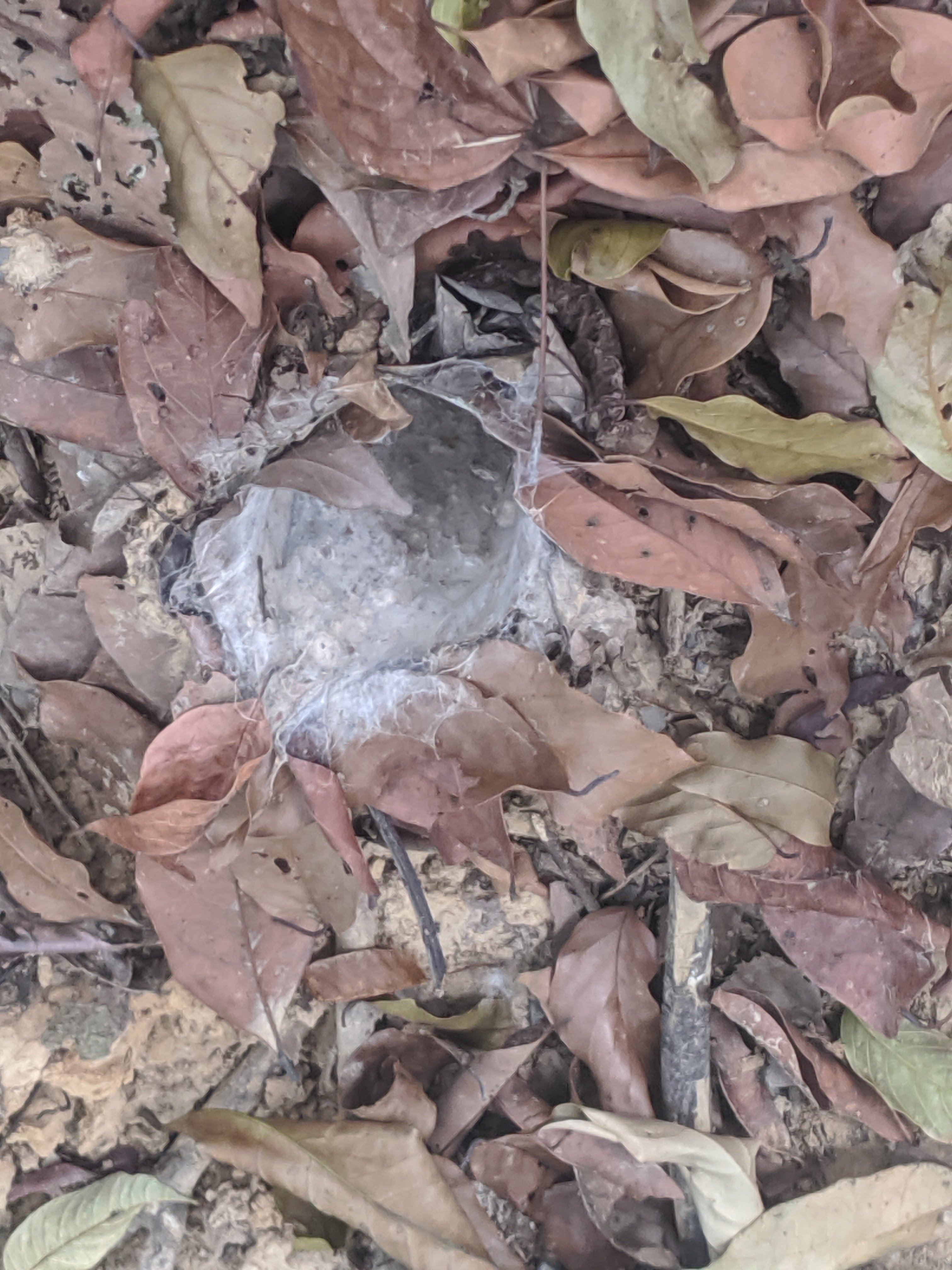
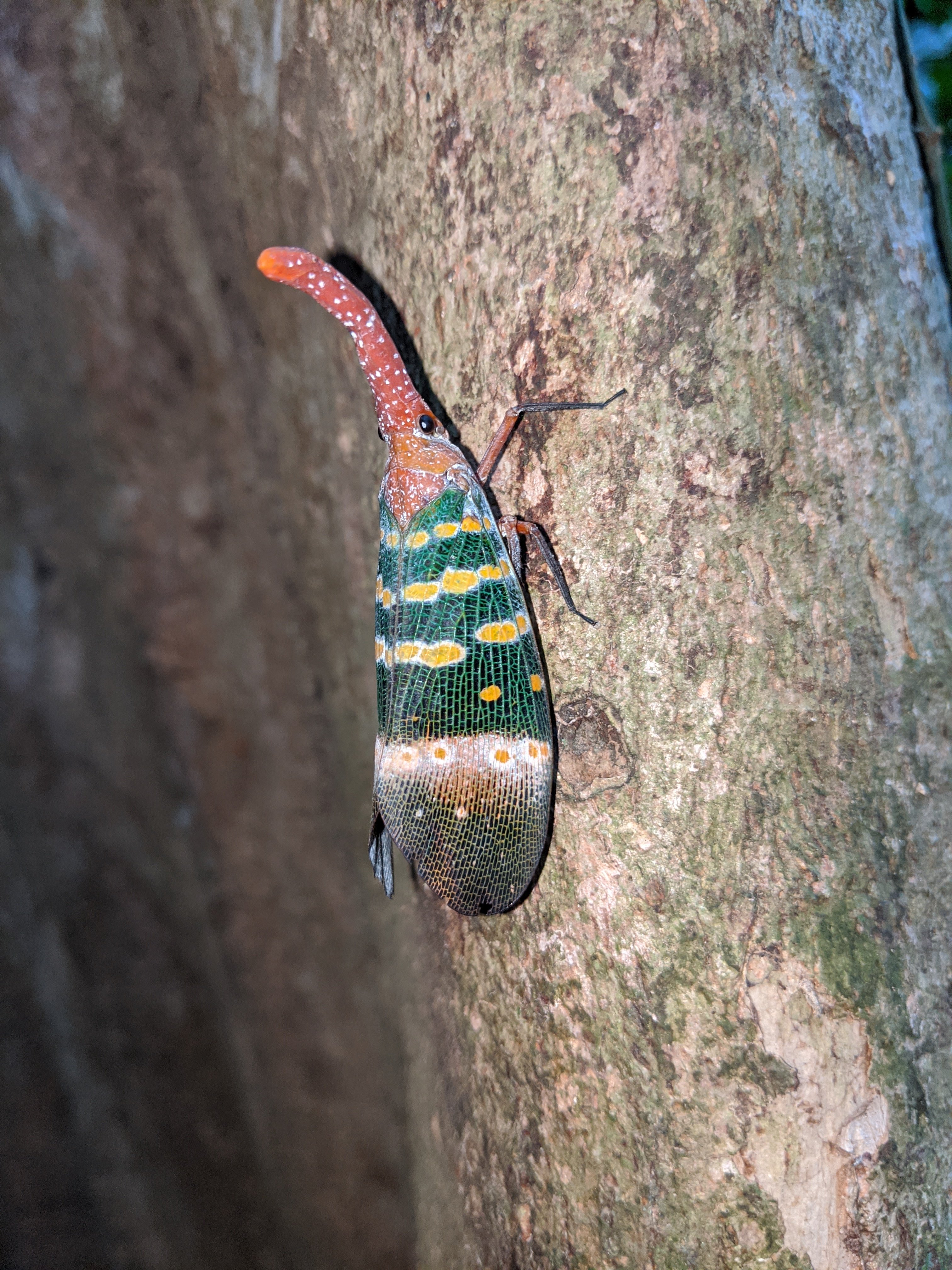
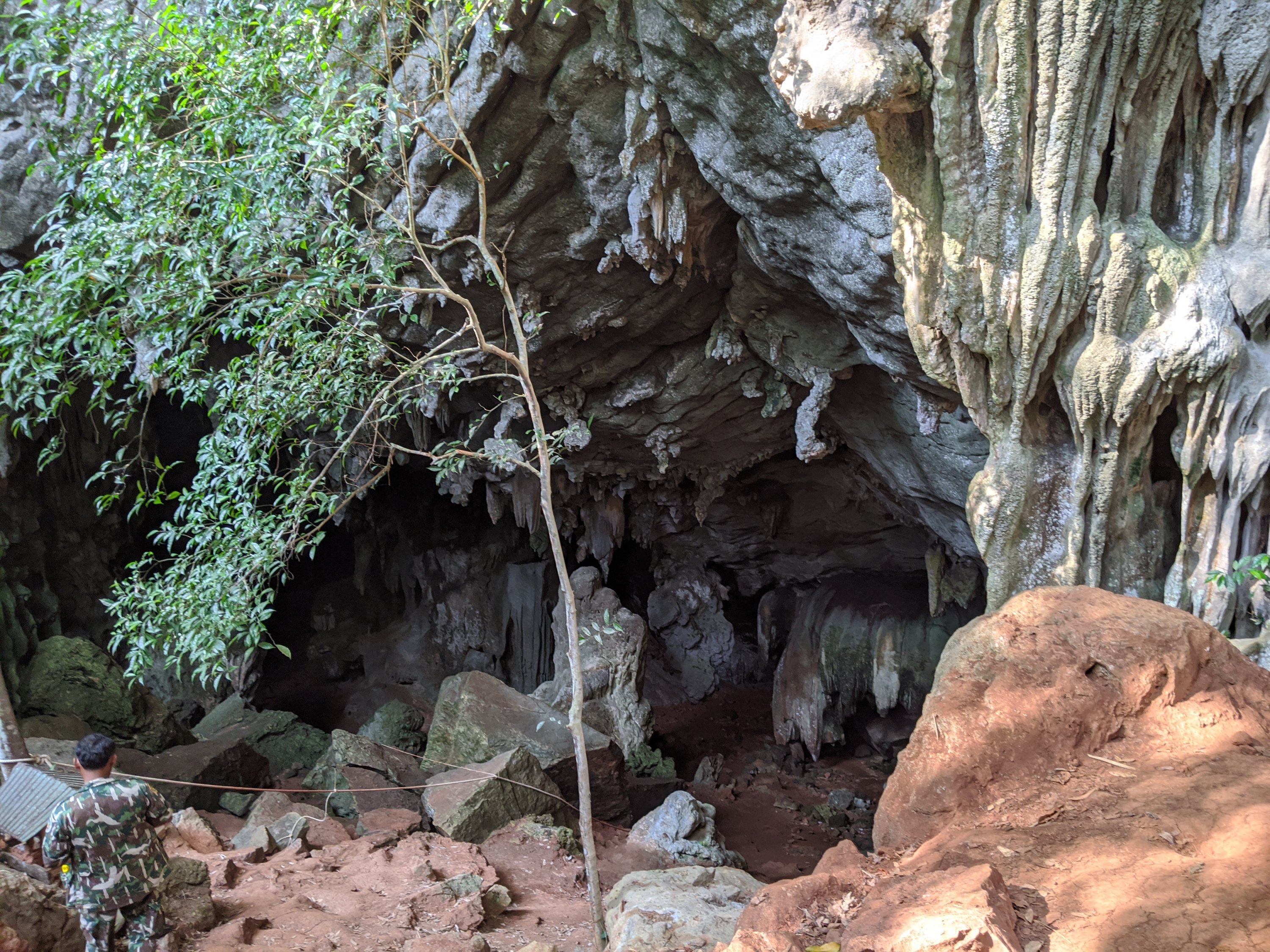
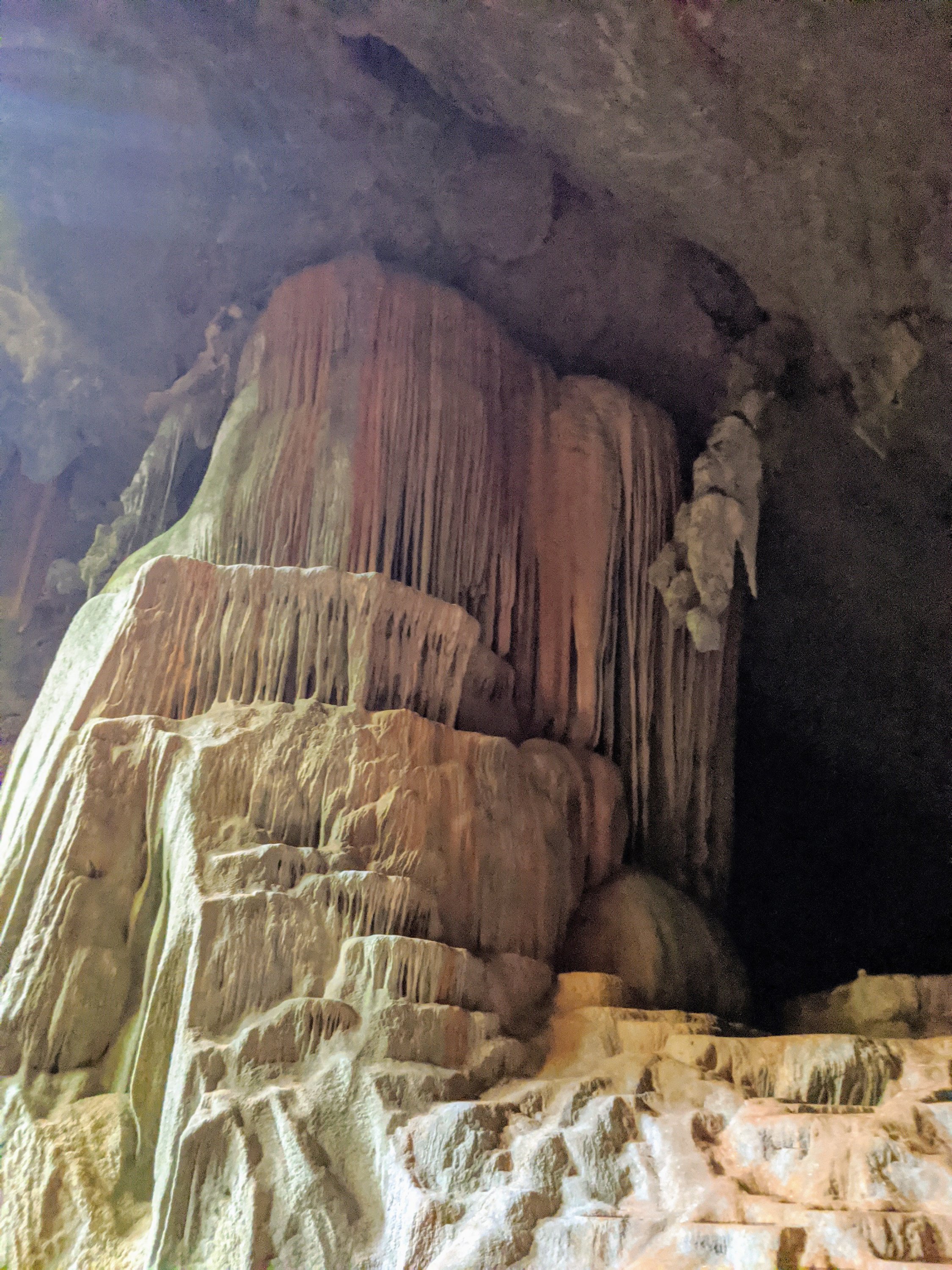
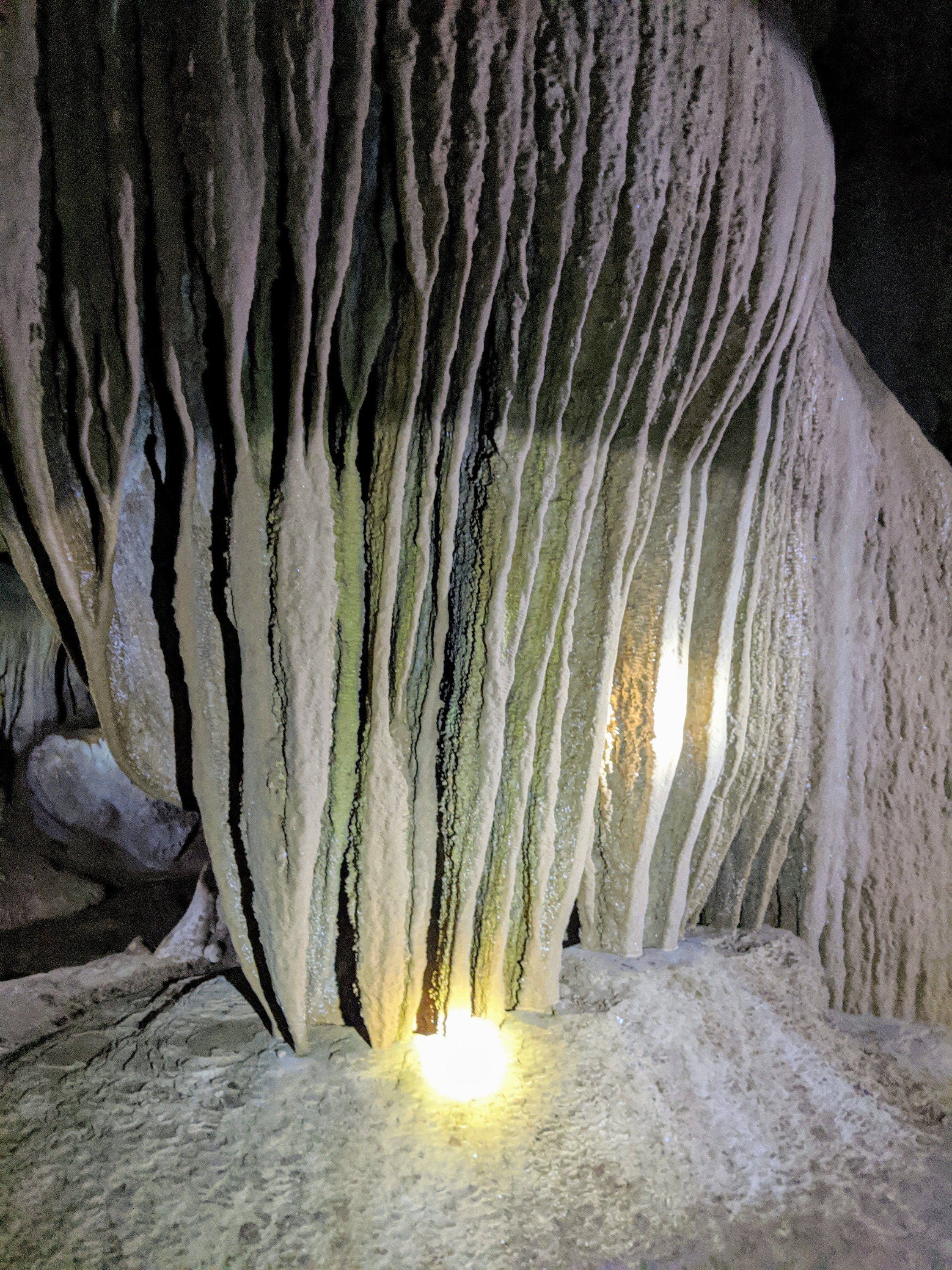
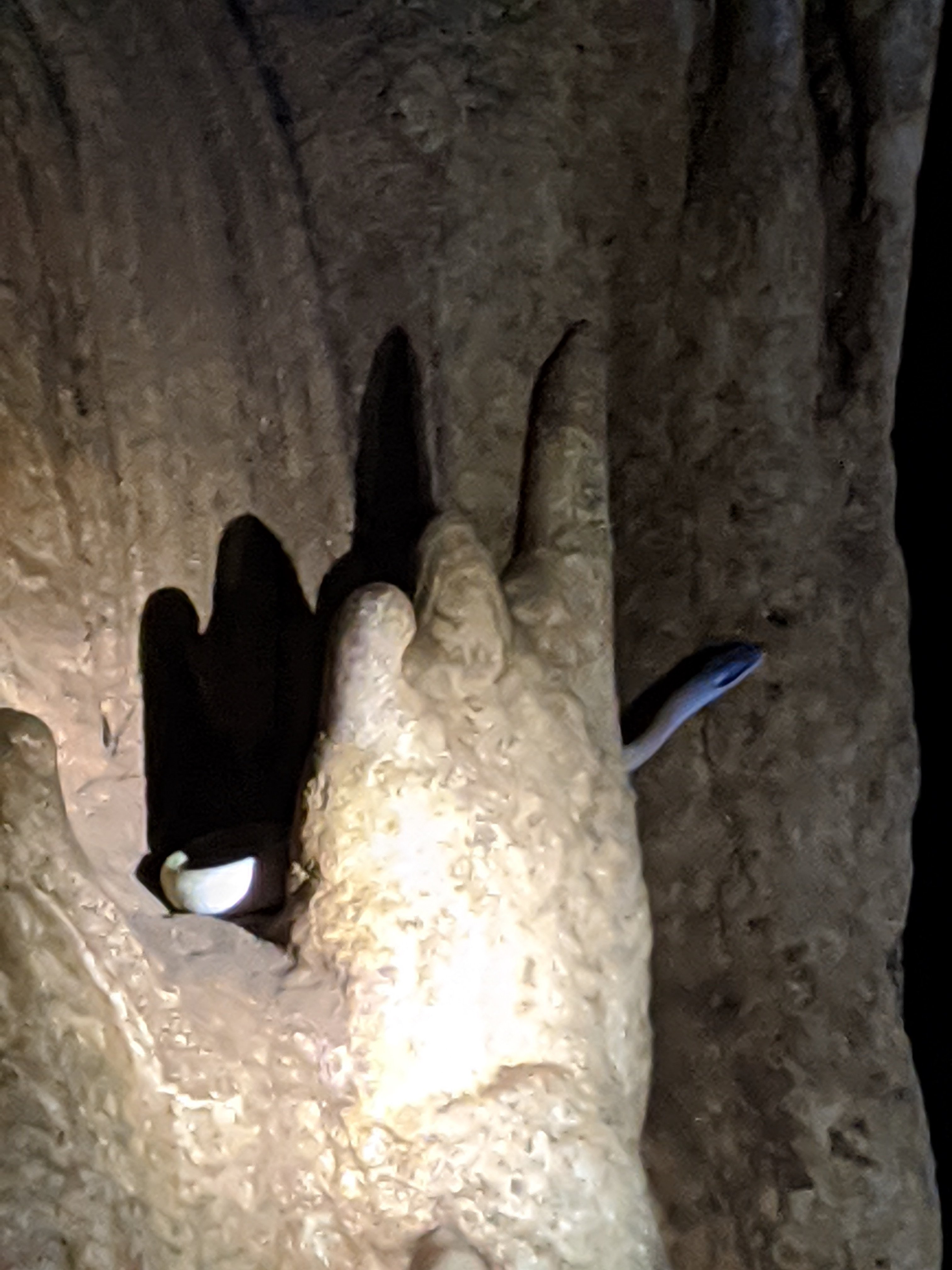
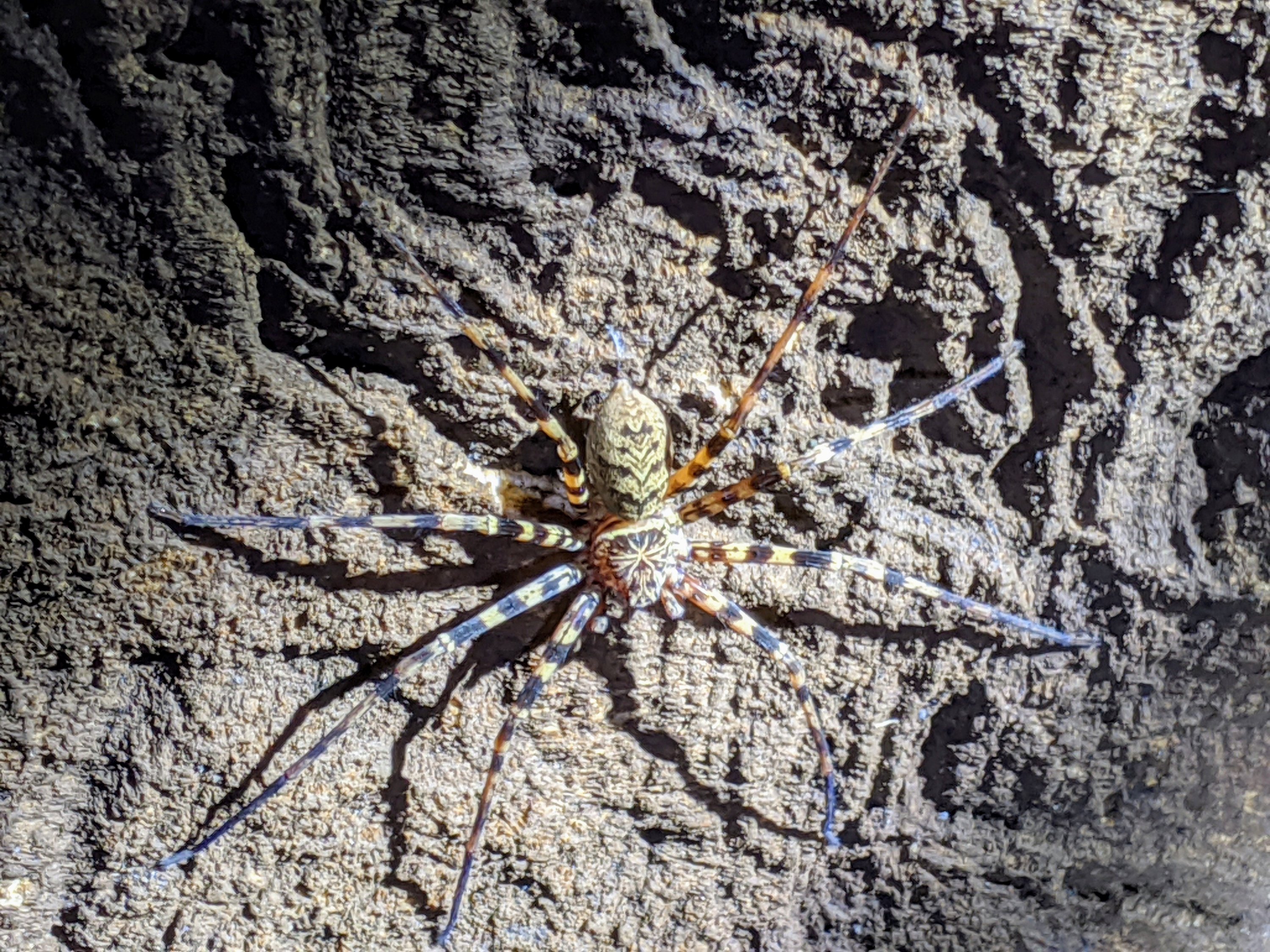
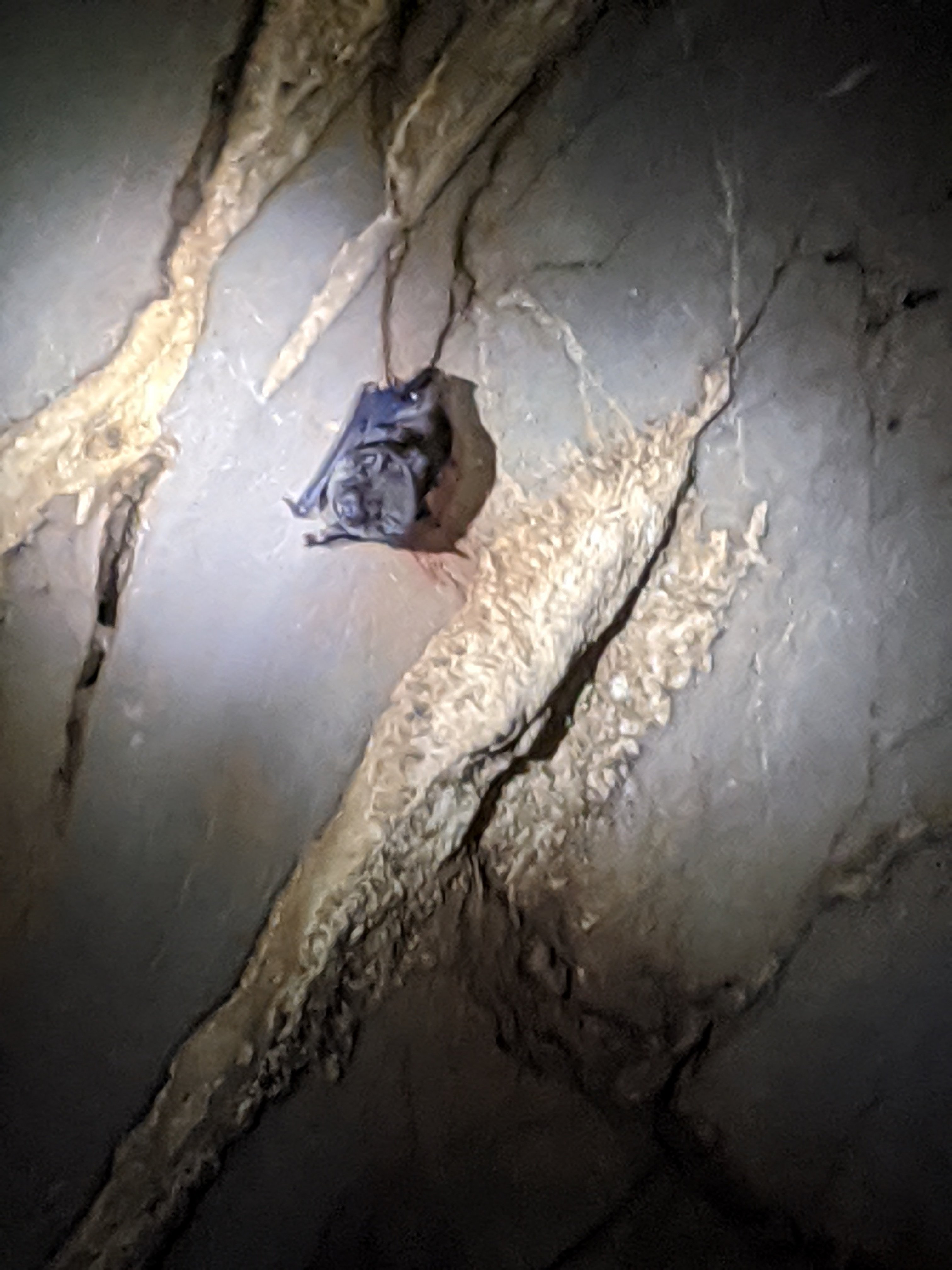
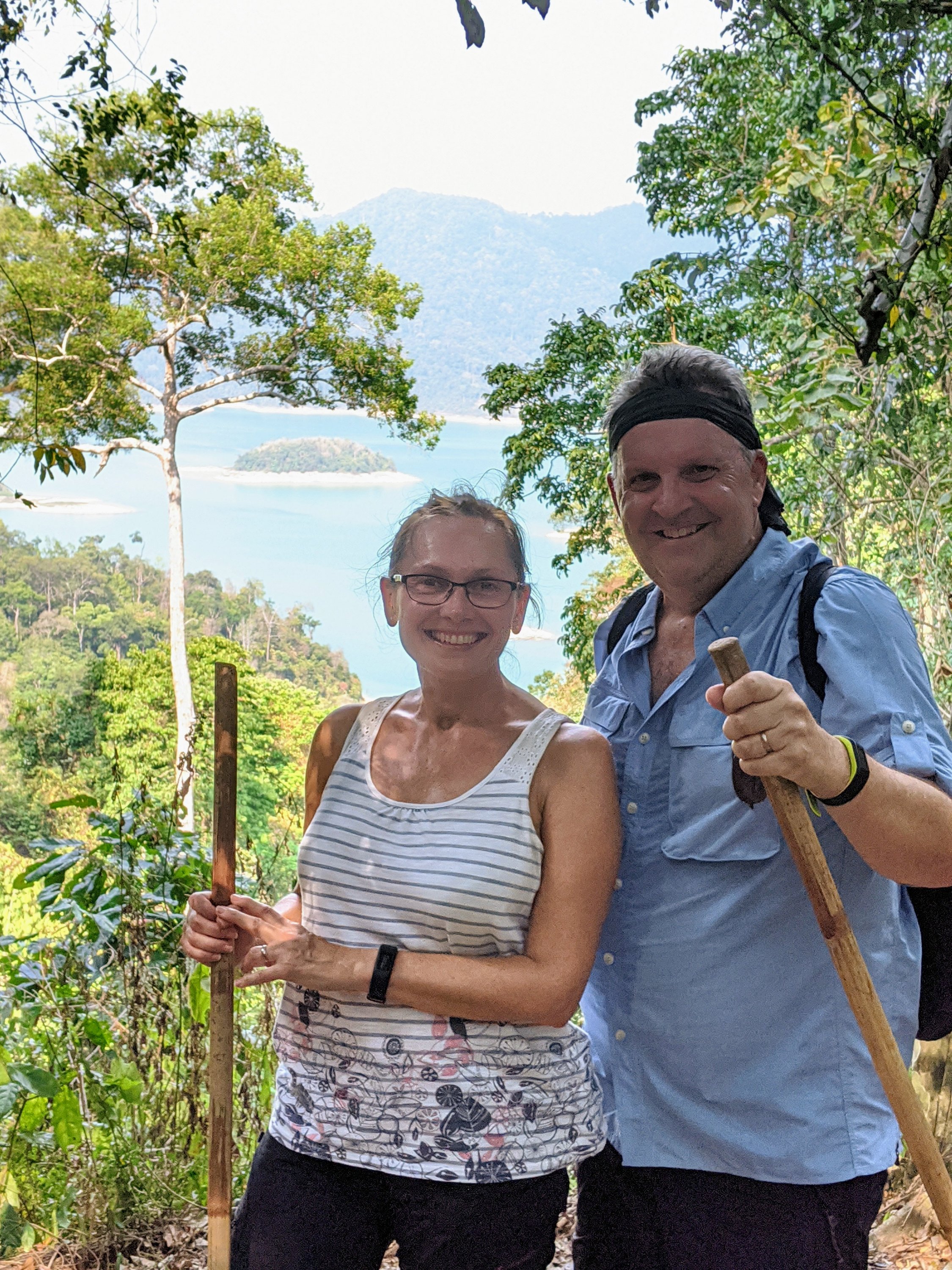
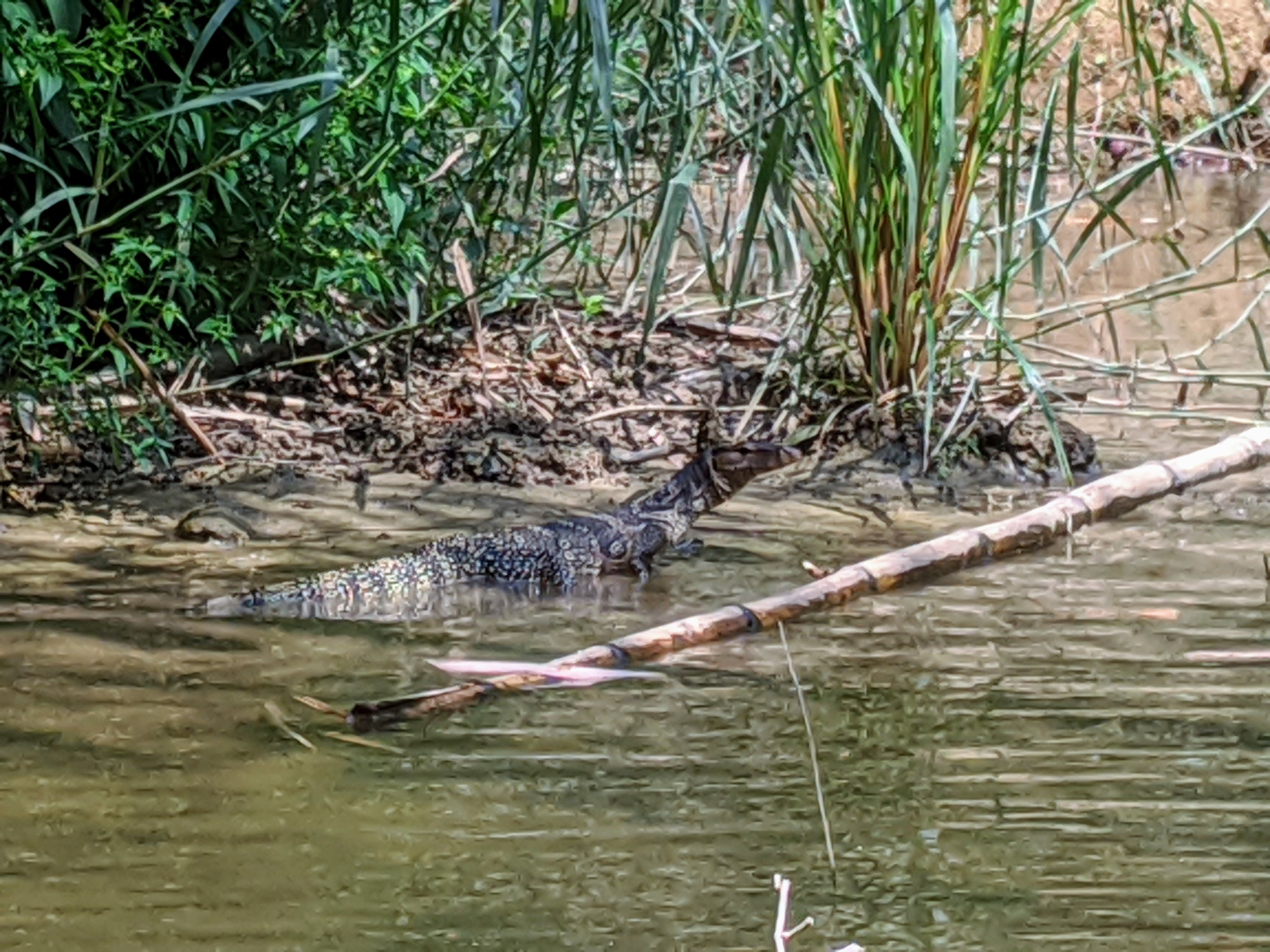
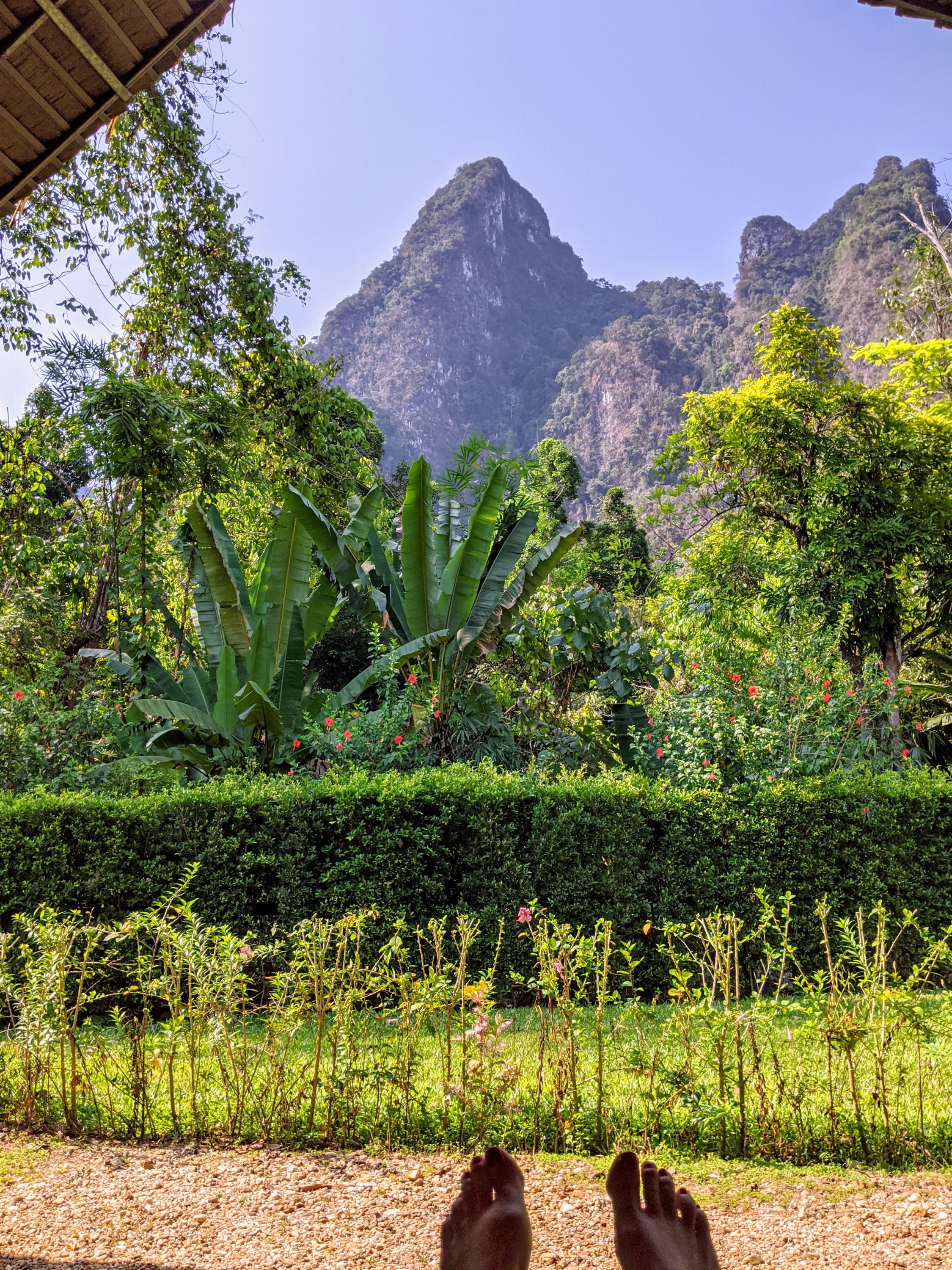
After arriving at our camp, we went for a hike high up into the limestone karsts and explored a cave finding some interesting inhabitants …
Jungle Trek in Khao Sok National Park
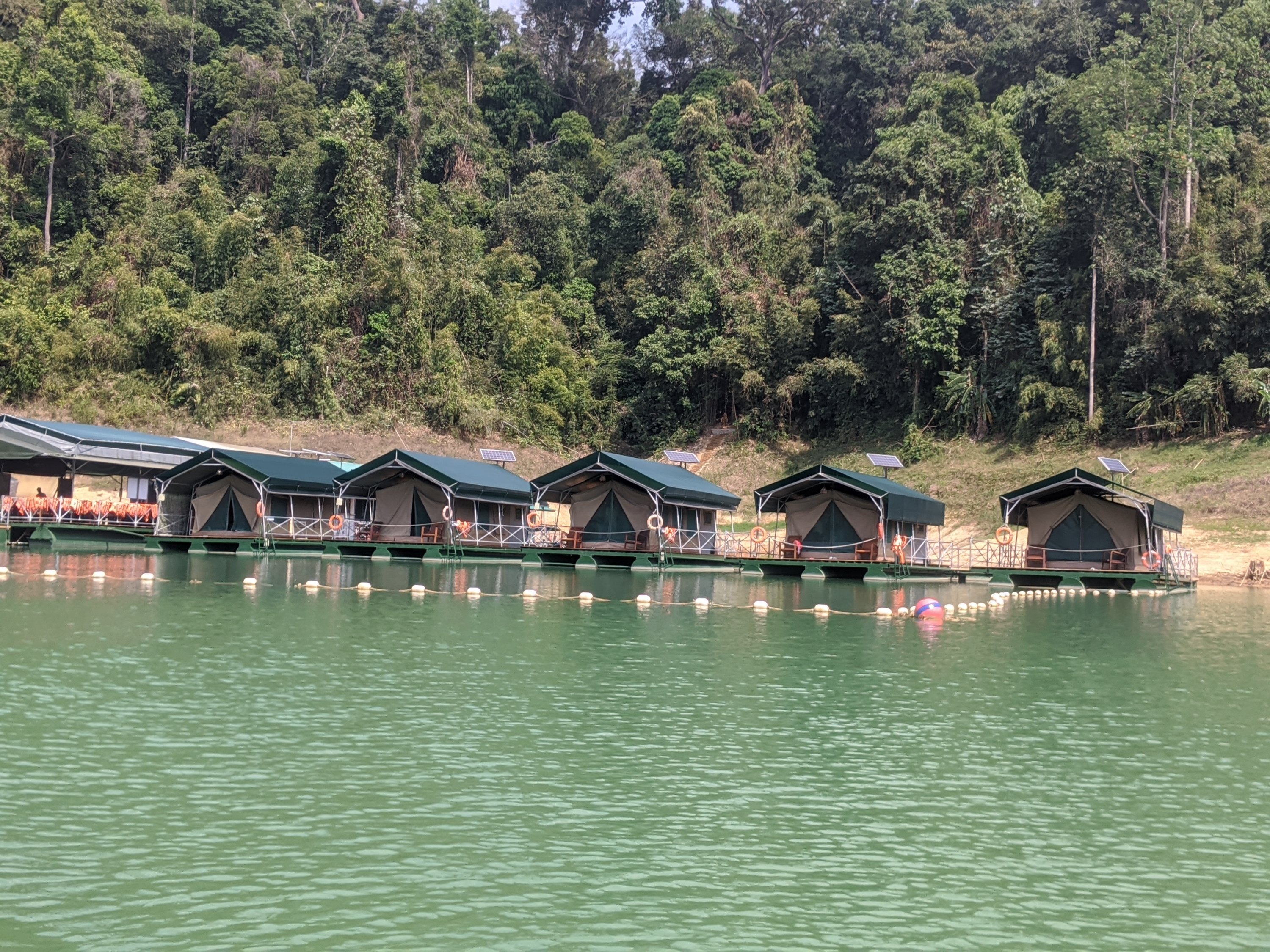
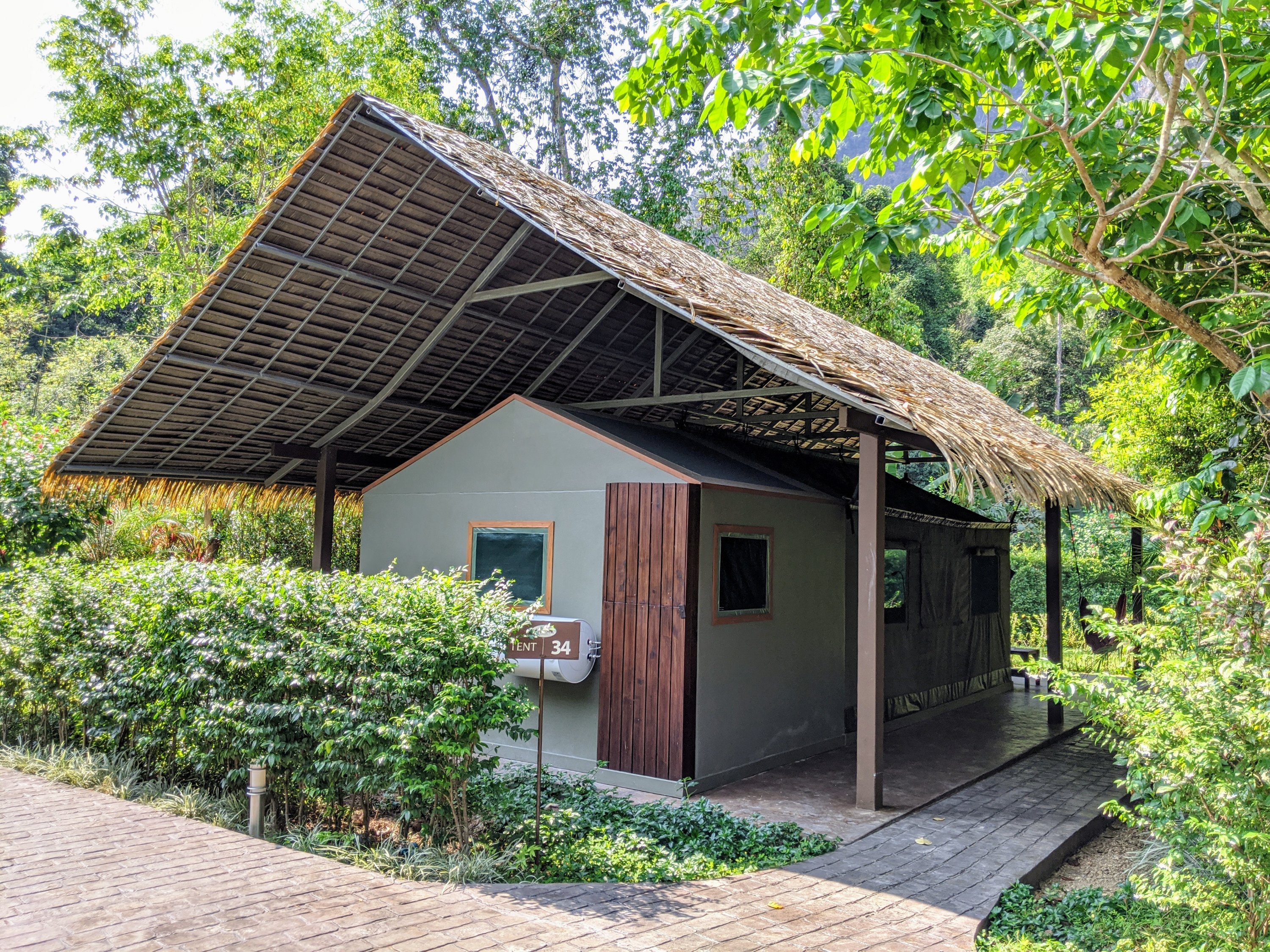
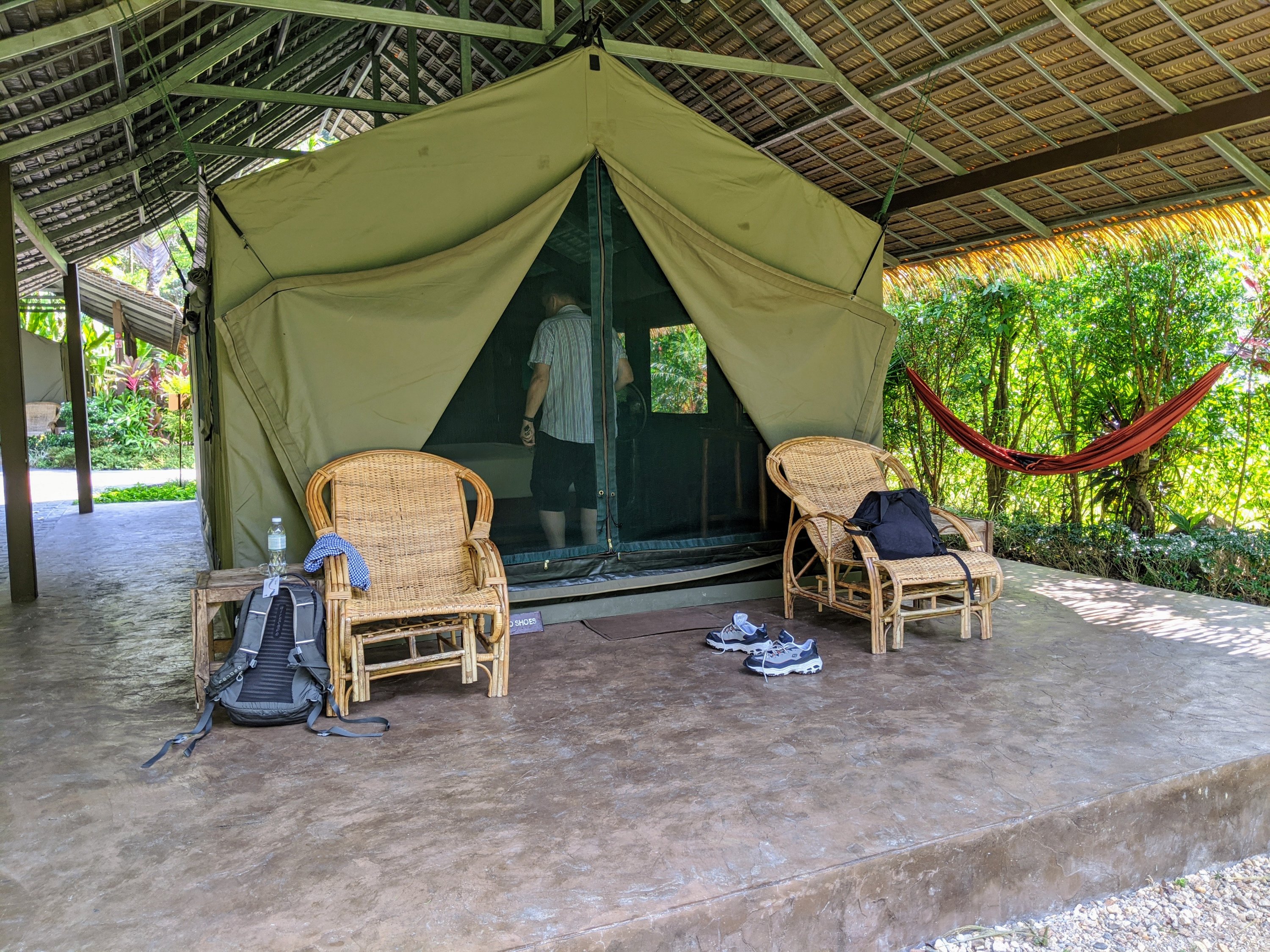
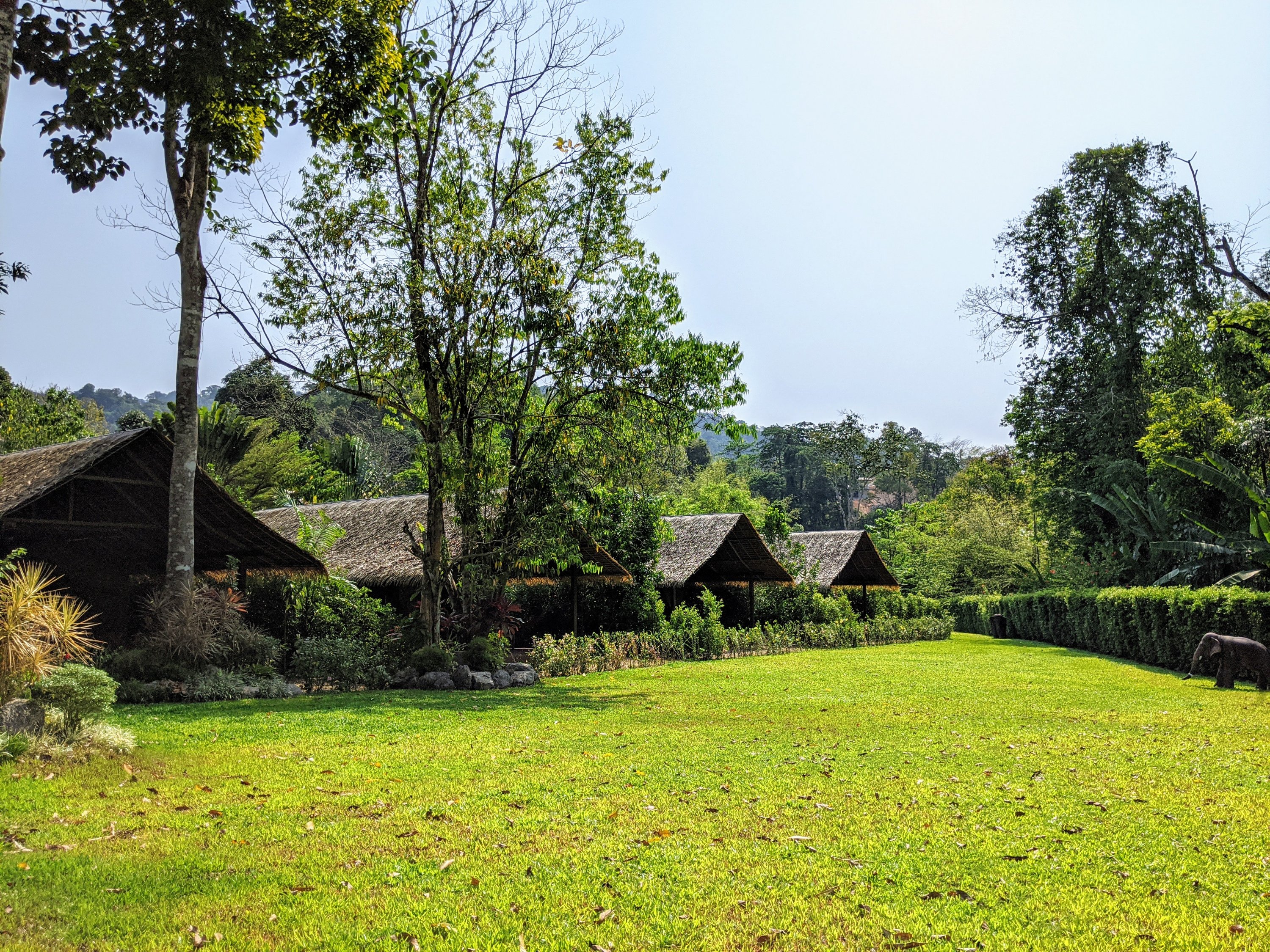
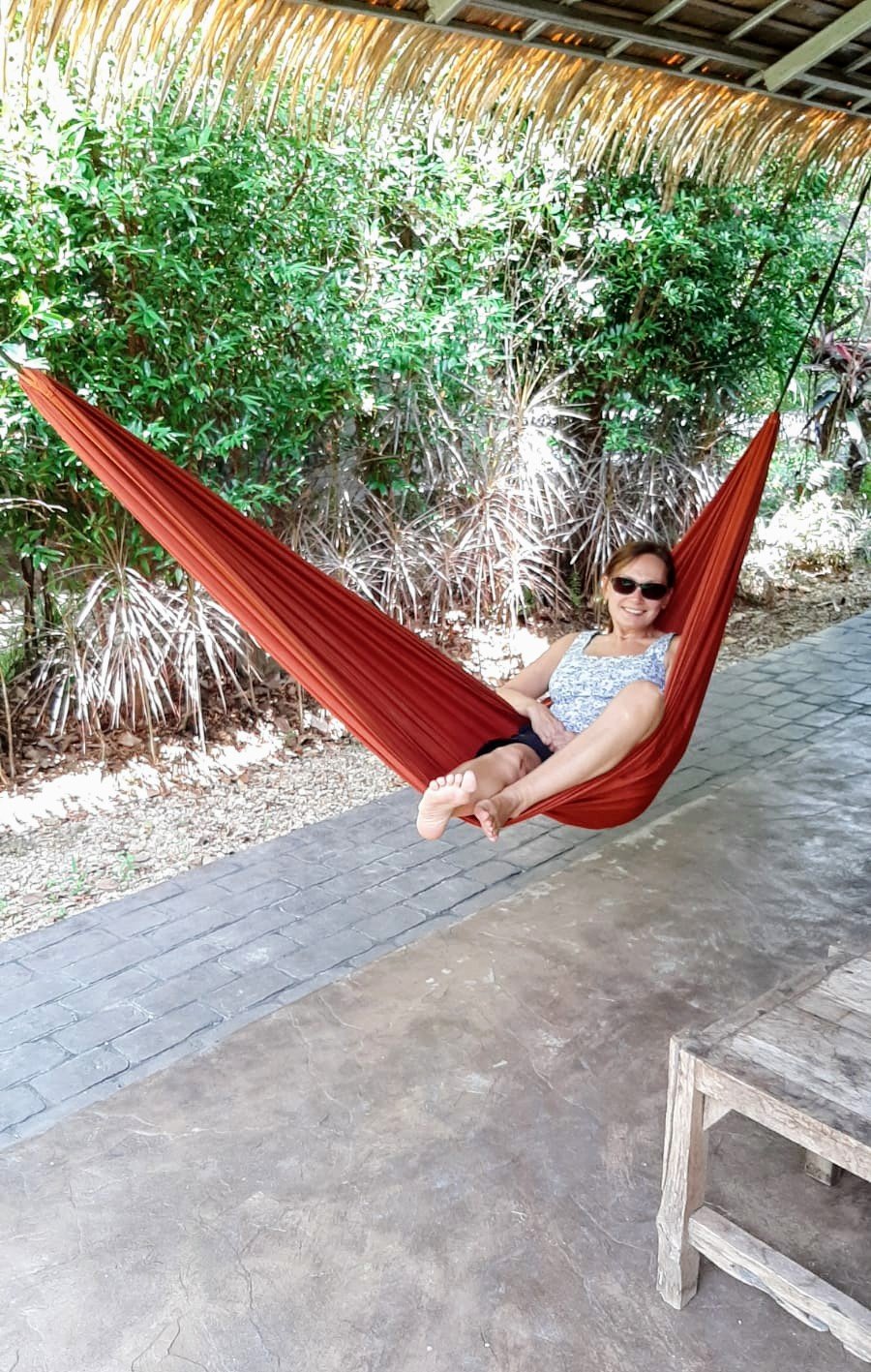
Back at the camp it’s all about relaxing and enjoying the off grid peacefulness – no electricity, WiFi or internet. When it’s dark, it’s dark ..
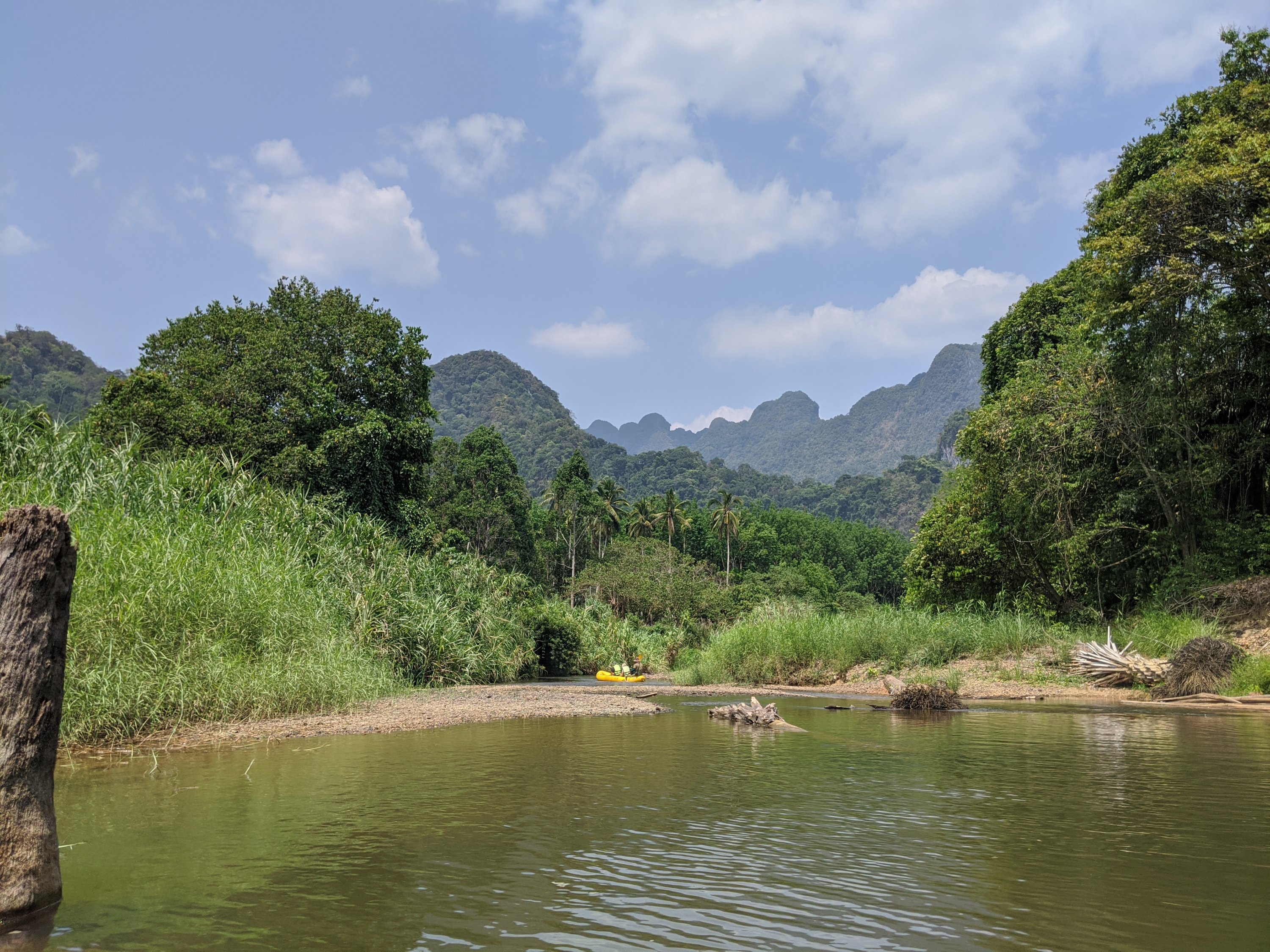
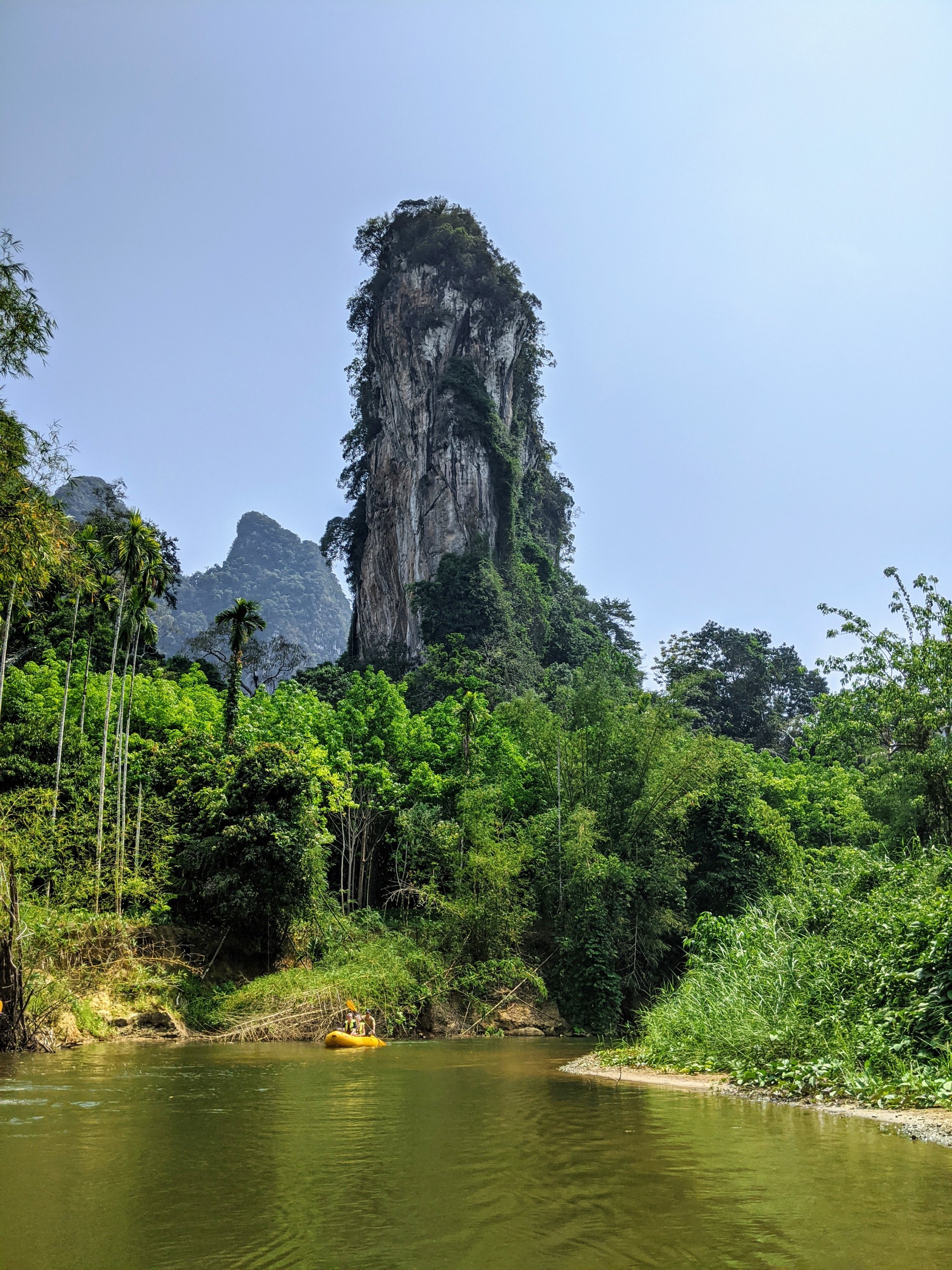
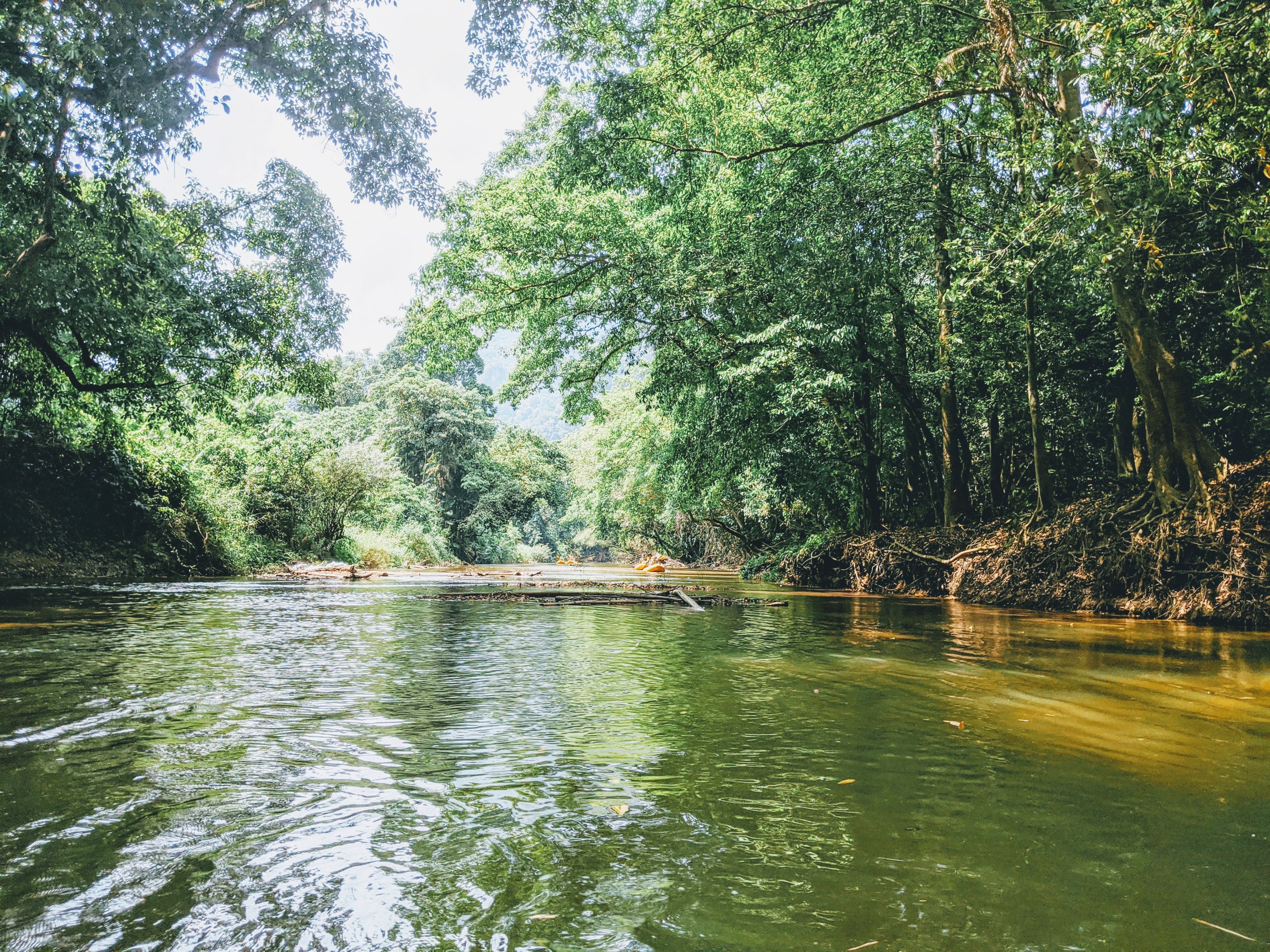
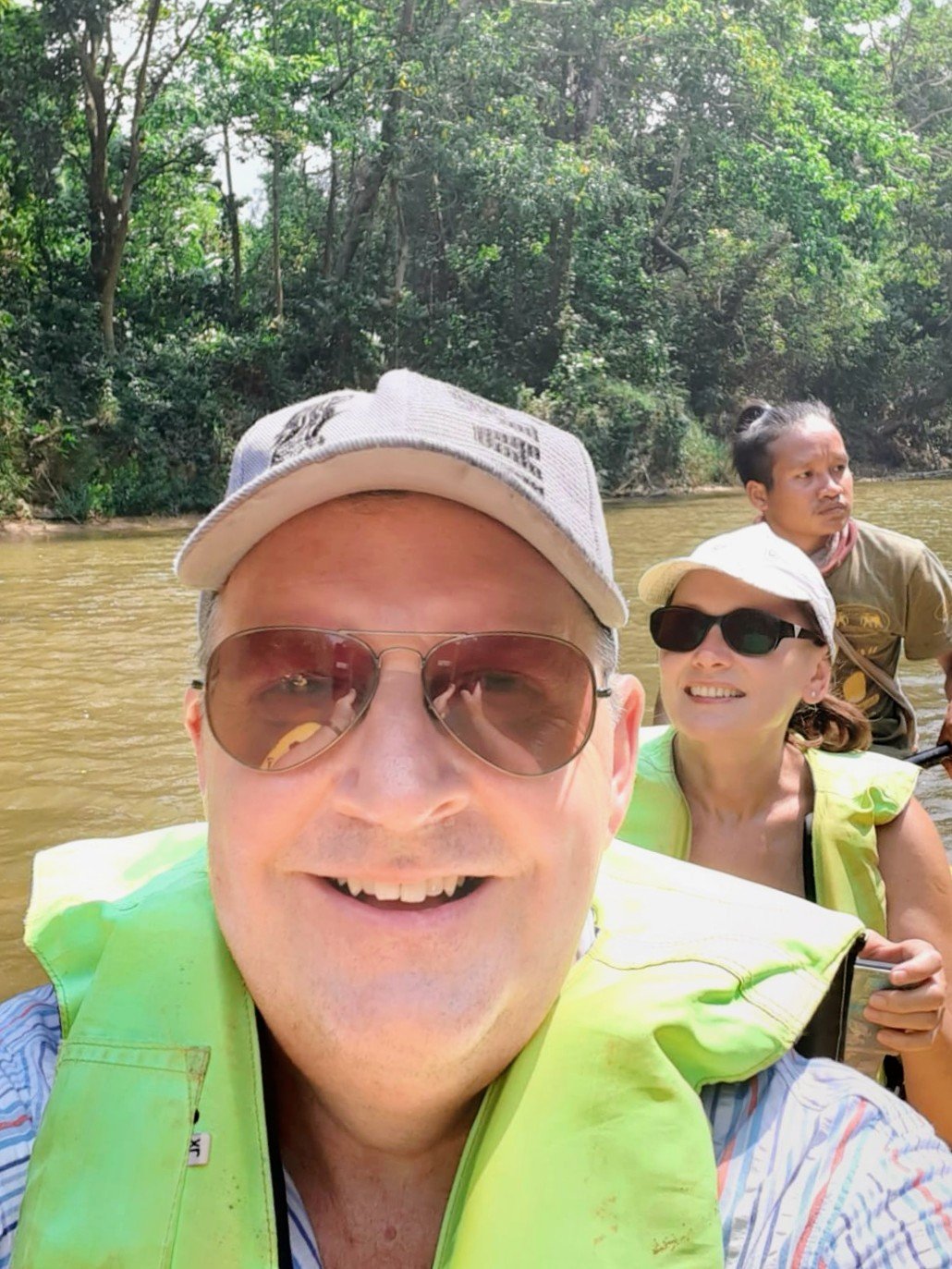
The afternoon starts with a relaxing trip down the River Sok …. we didn’t even have to paddle ourselves.
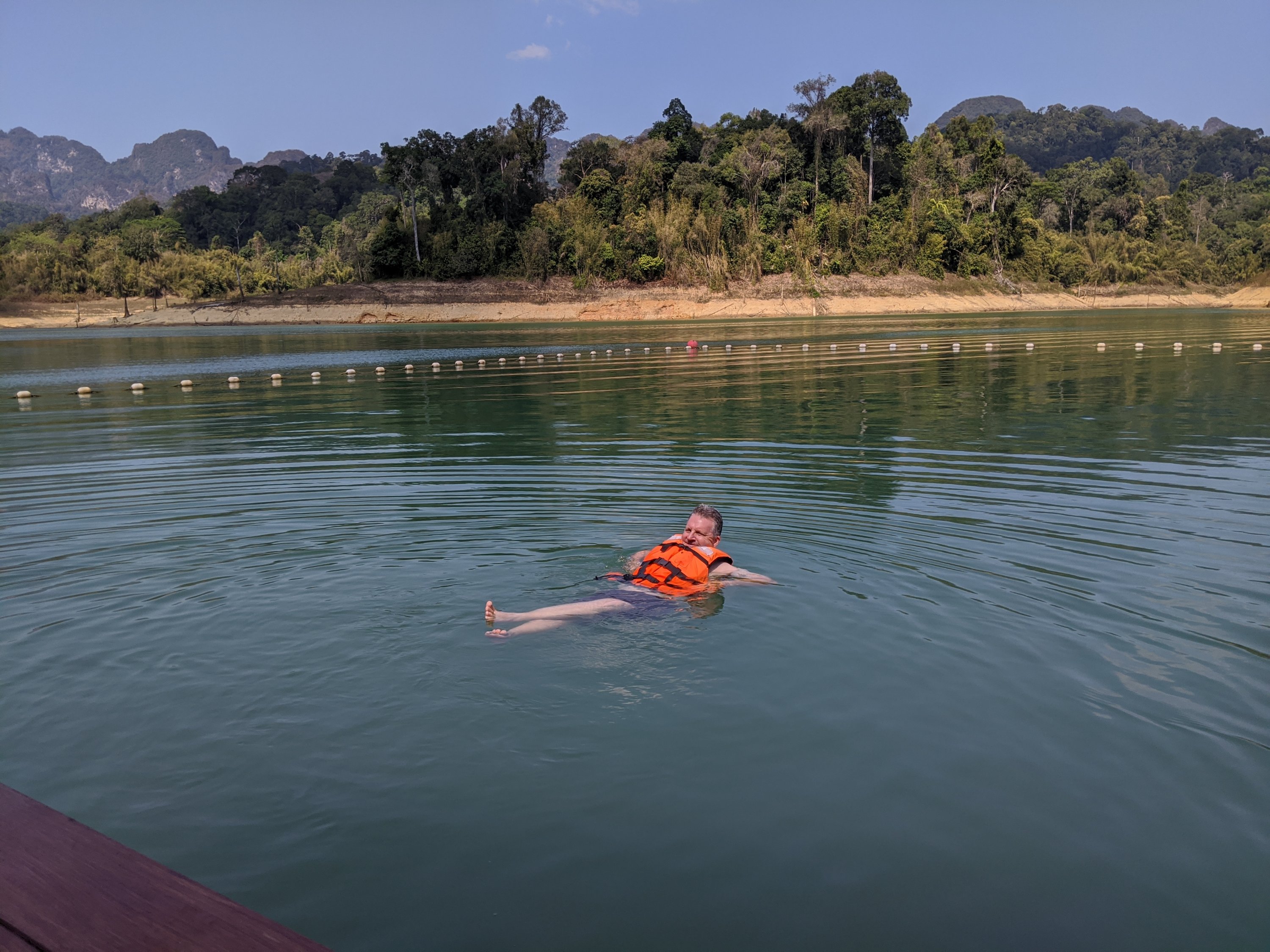
Canoeing at River Sok – time to just soak up the marvellous surroundings
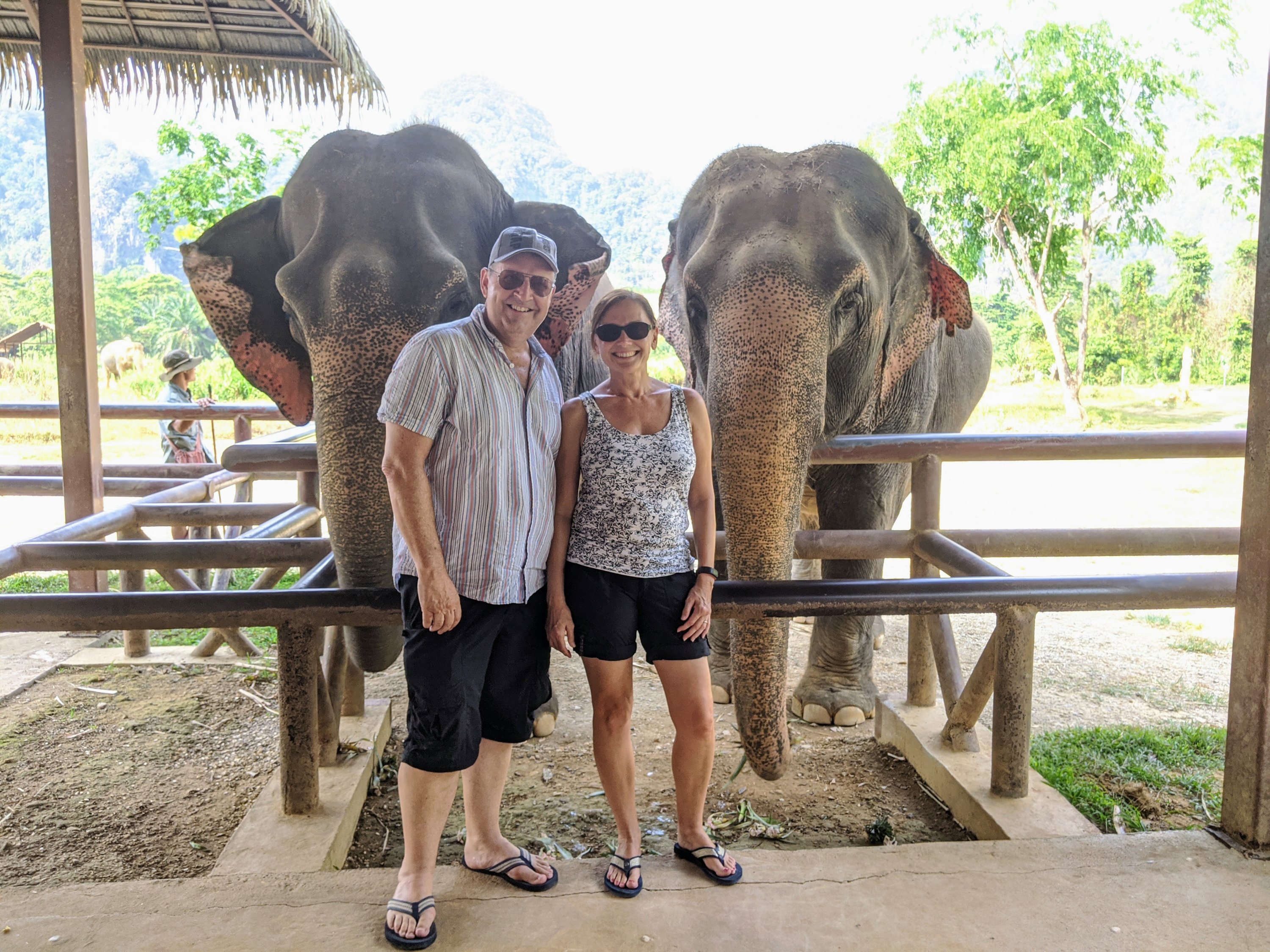
And then the fun starts … at the Elephant Camp
Khao Sok National Park – Elephant Hills Camp
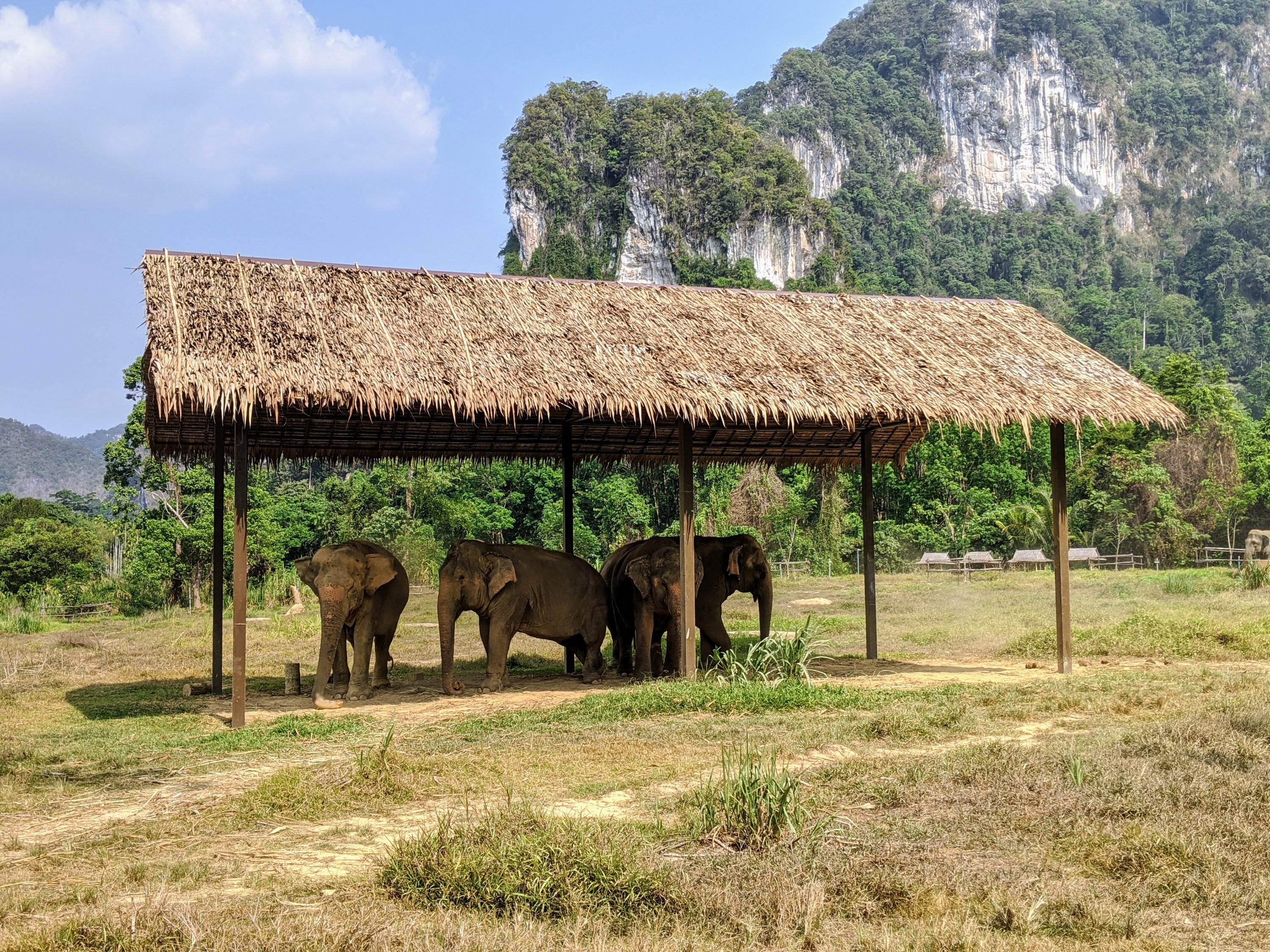
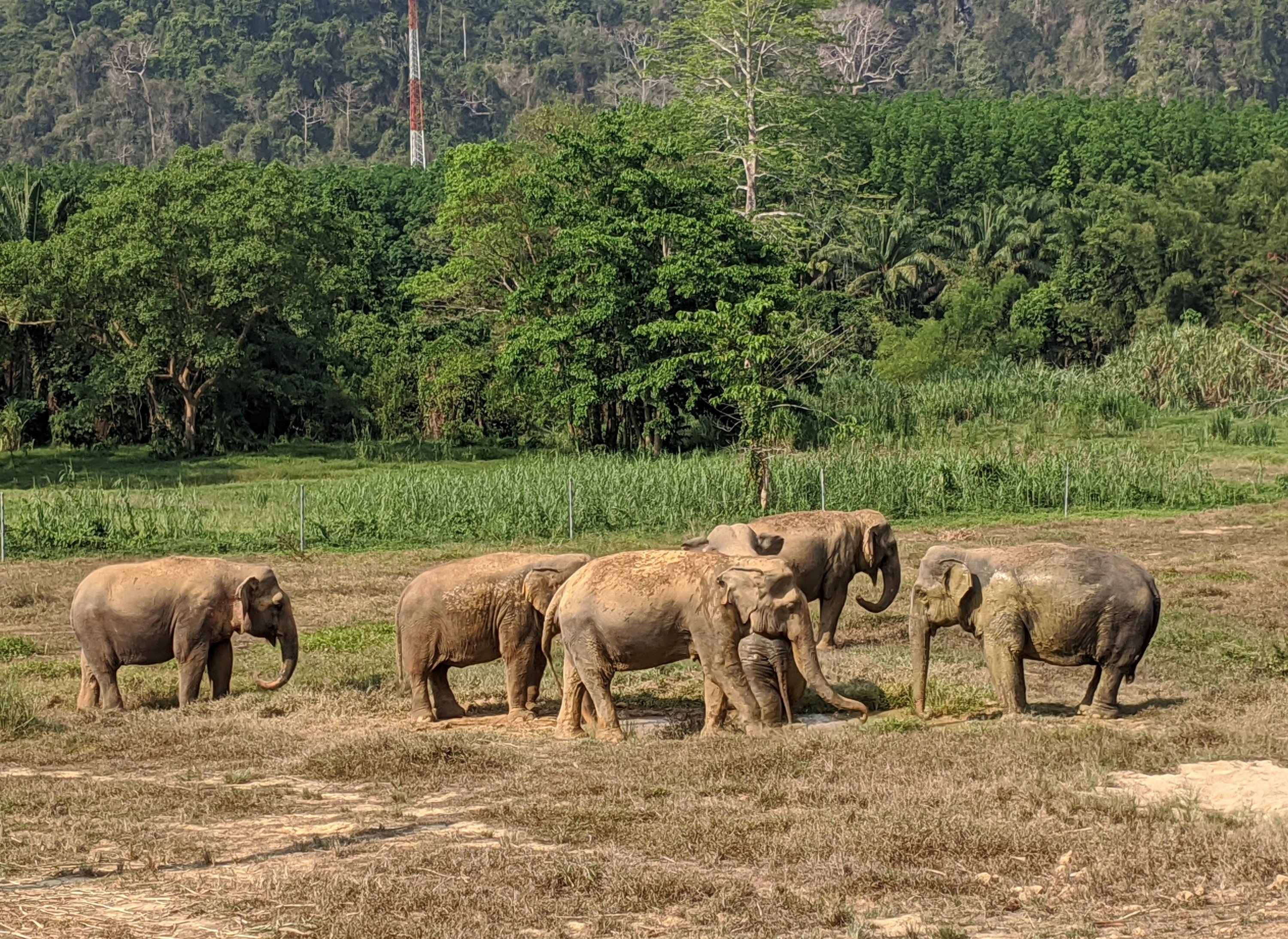
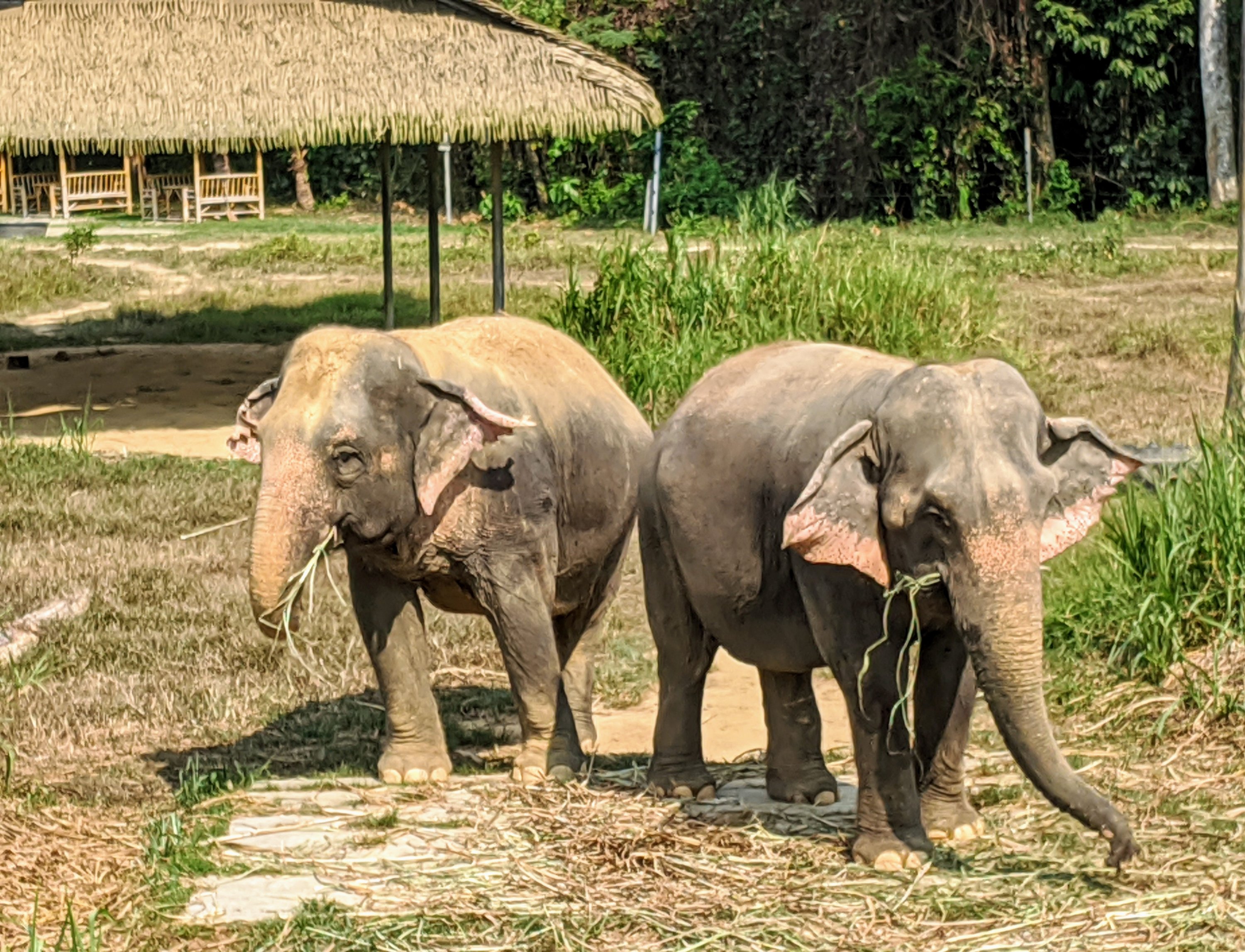
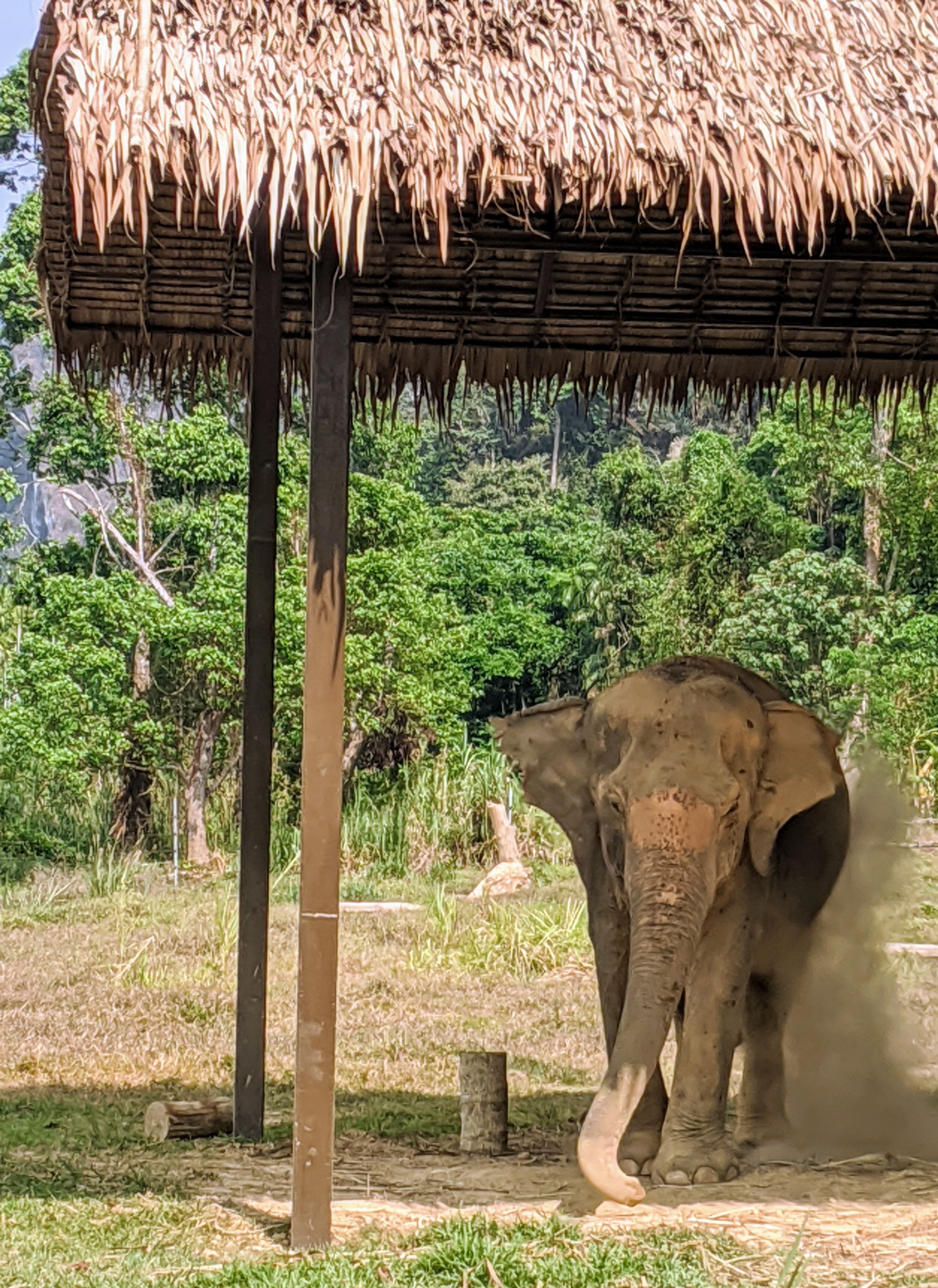
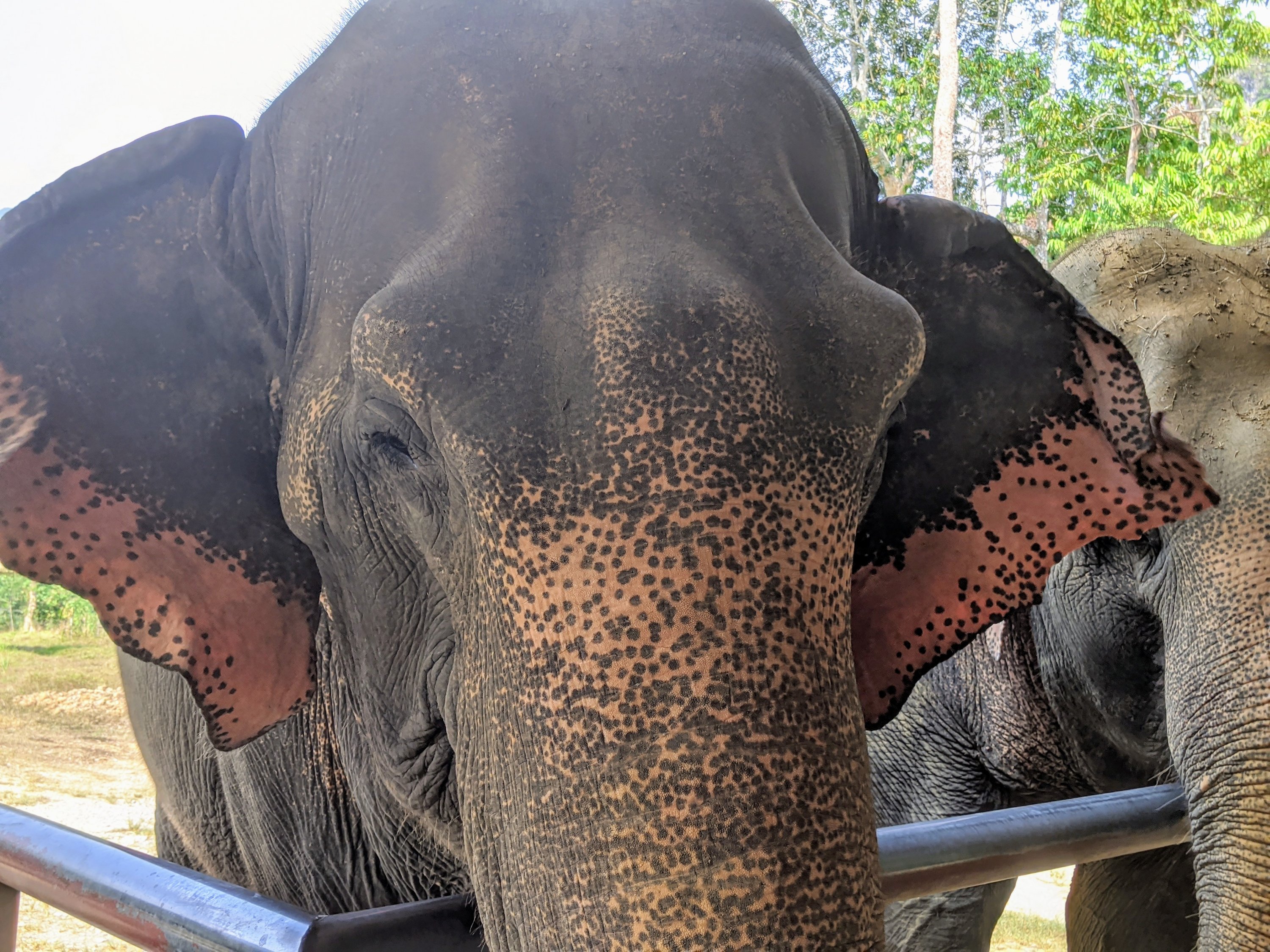
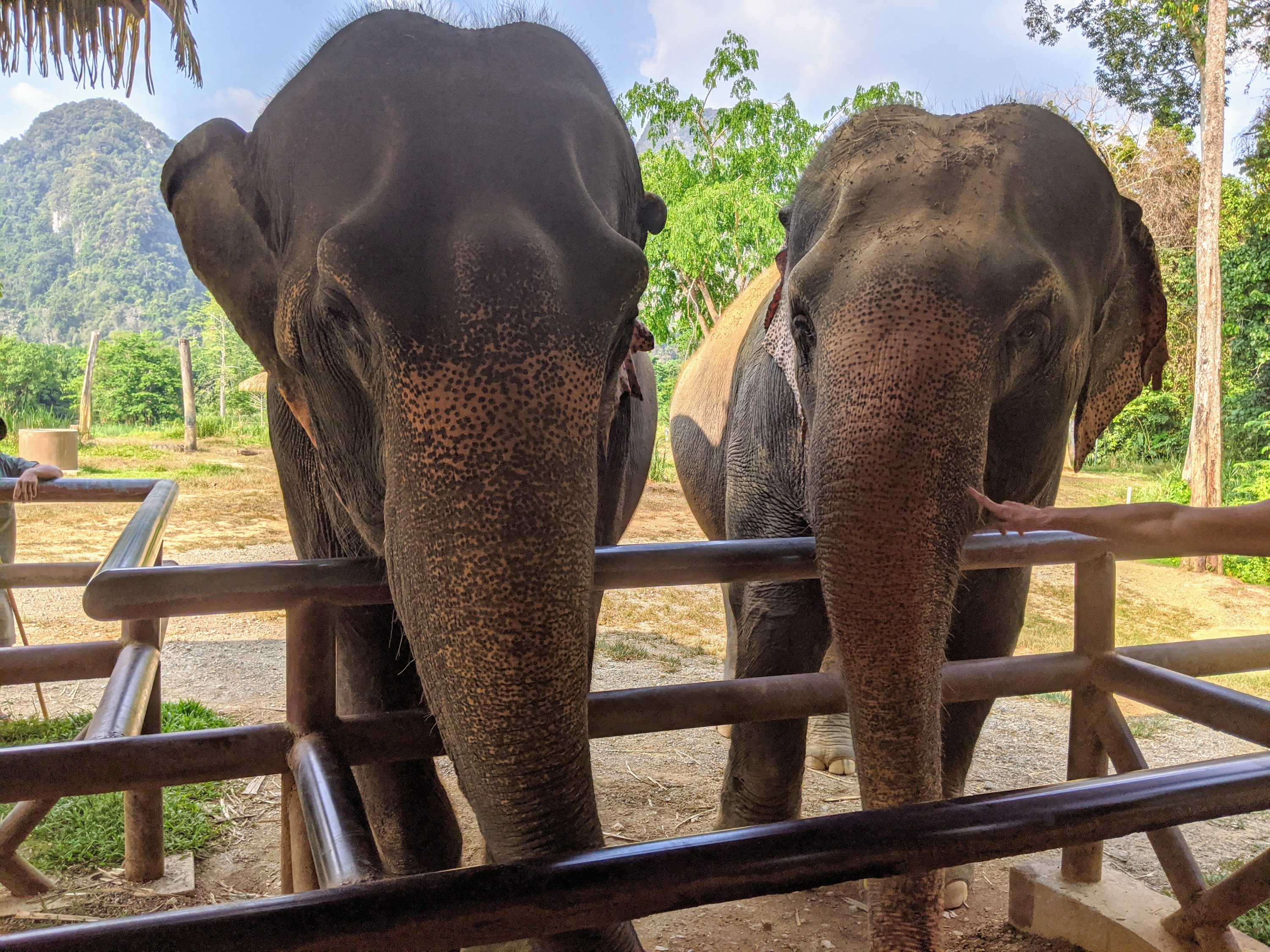
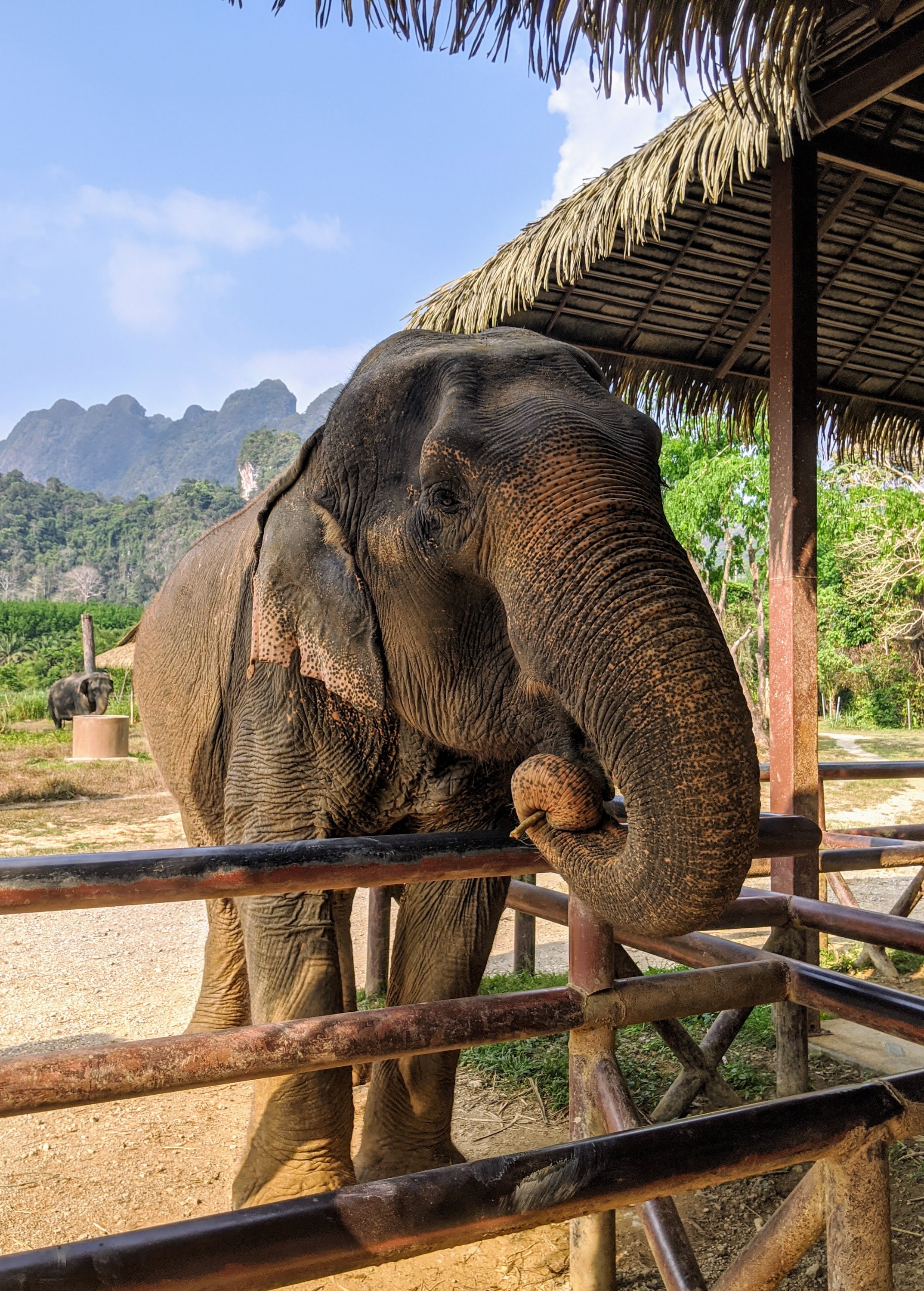
There are 12 Asian elephants being looked after by their mahoots. Most of the elephants are in their 50s but includes a ‘grandma’ of 78. A retirement home for elephants 😊
But only female elephants as they are easier to control.
Did you know that elephant skin is quite tough and prickly?
The elephants used to be working elephants from the north of Thailand. After the government stopped logging, lots of these domesticated elephants (and their handlers) found themselves jobless.
As an elephant is expensive to keep, eating more than 280 kg of food a day, many elephants ended up as tourist attractions without their welfare in mind. There are still a lot of dubious organisations around but a lot more awareness of tourists – all the better for the elephants.
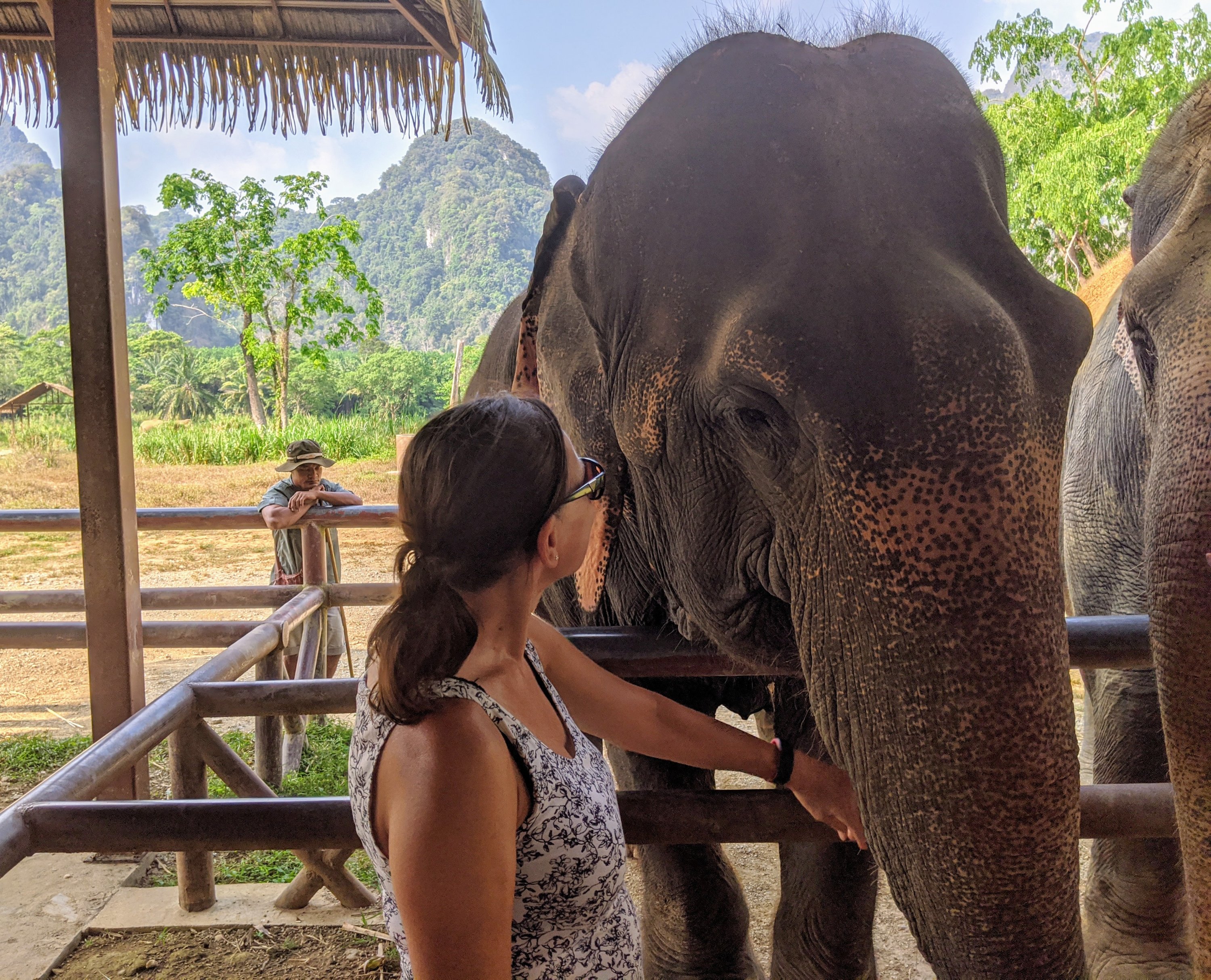
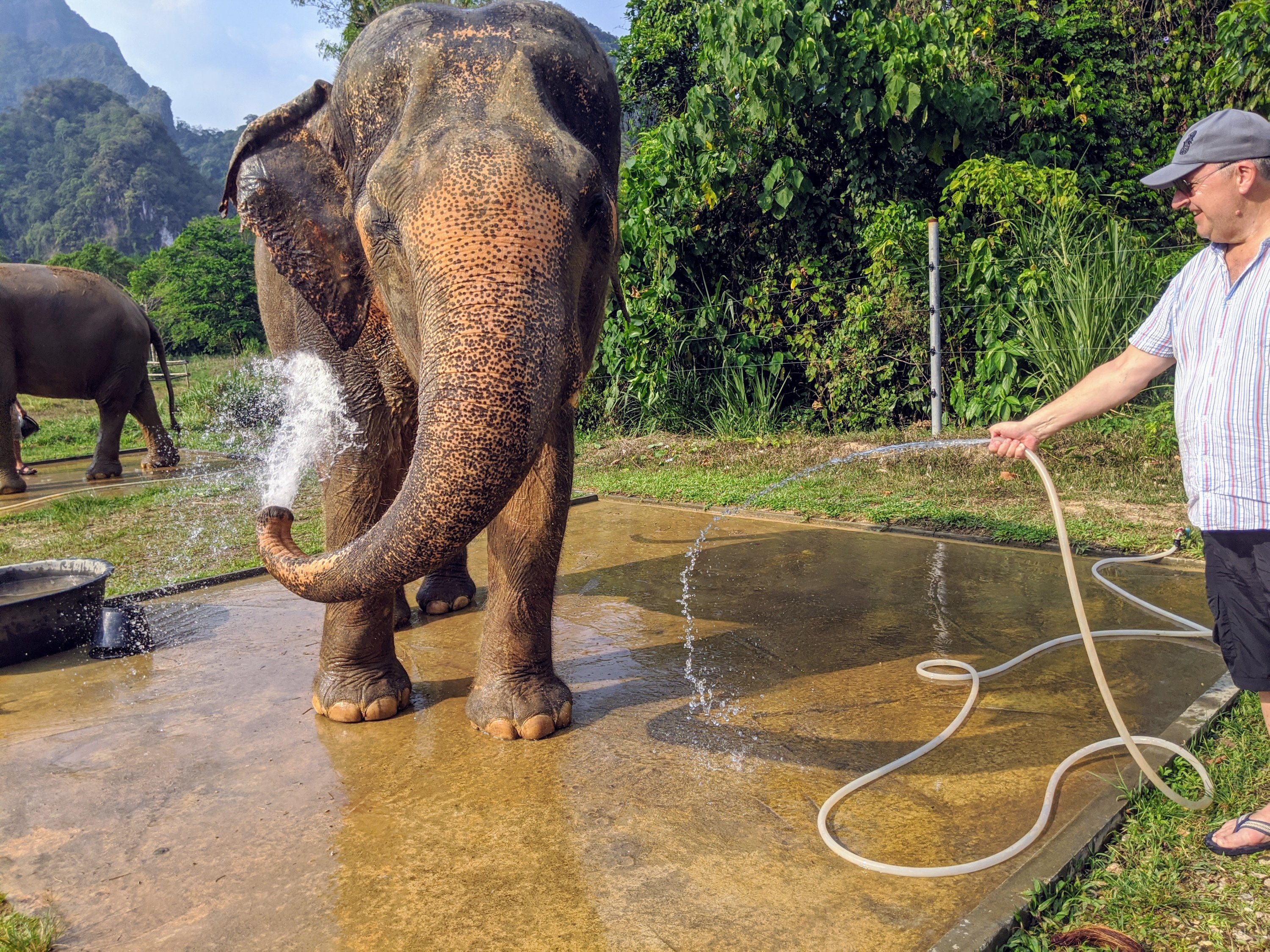
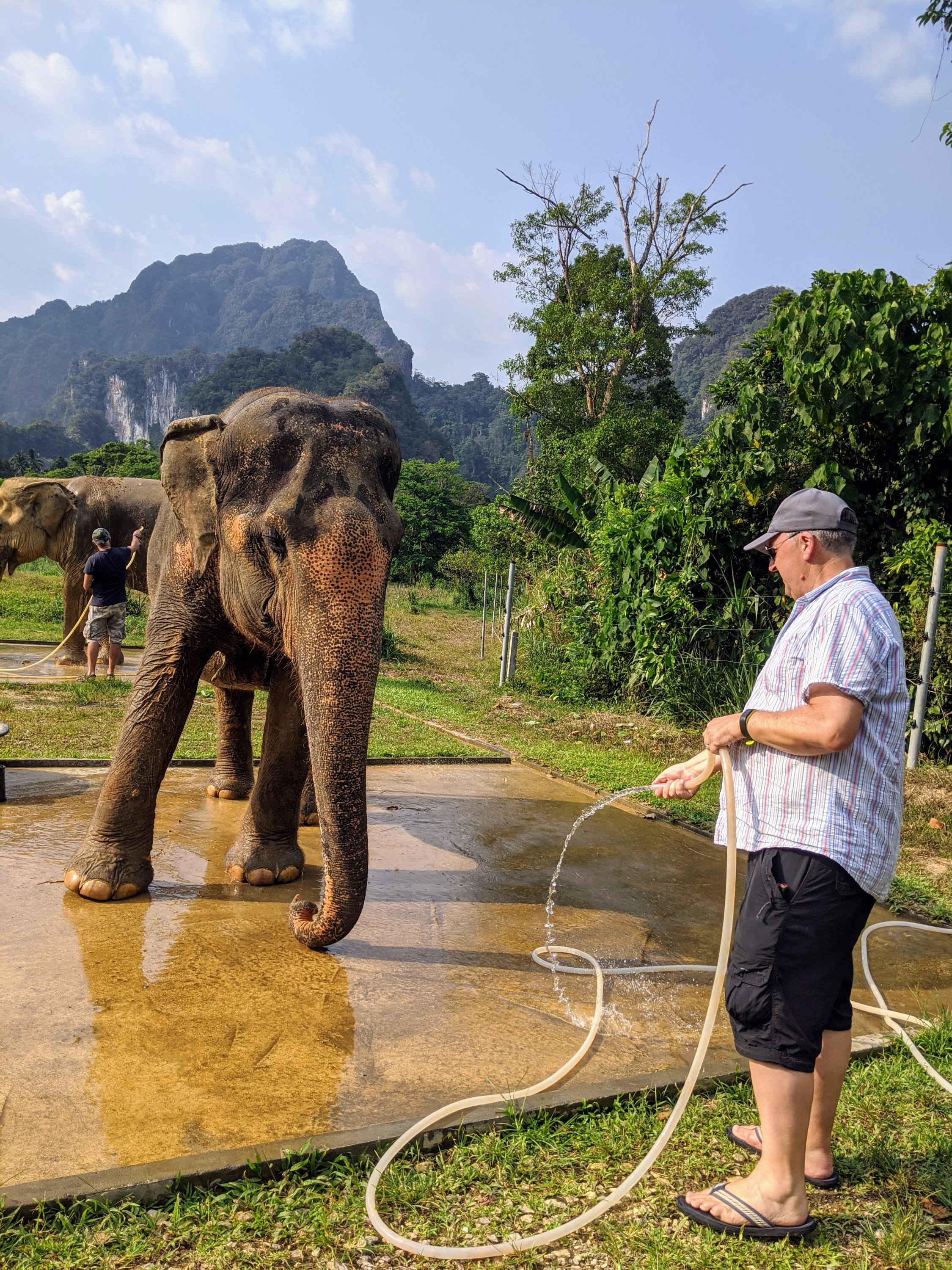
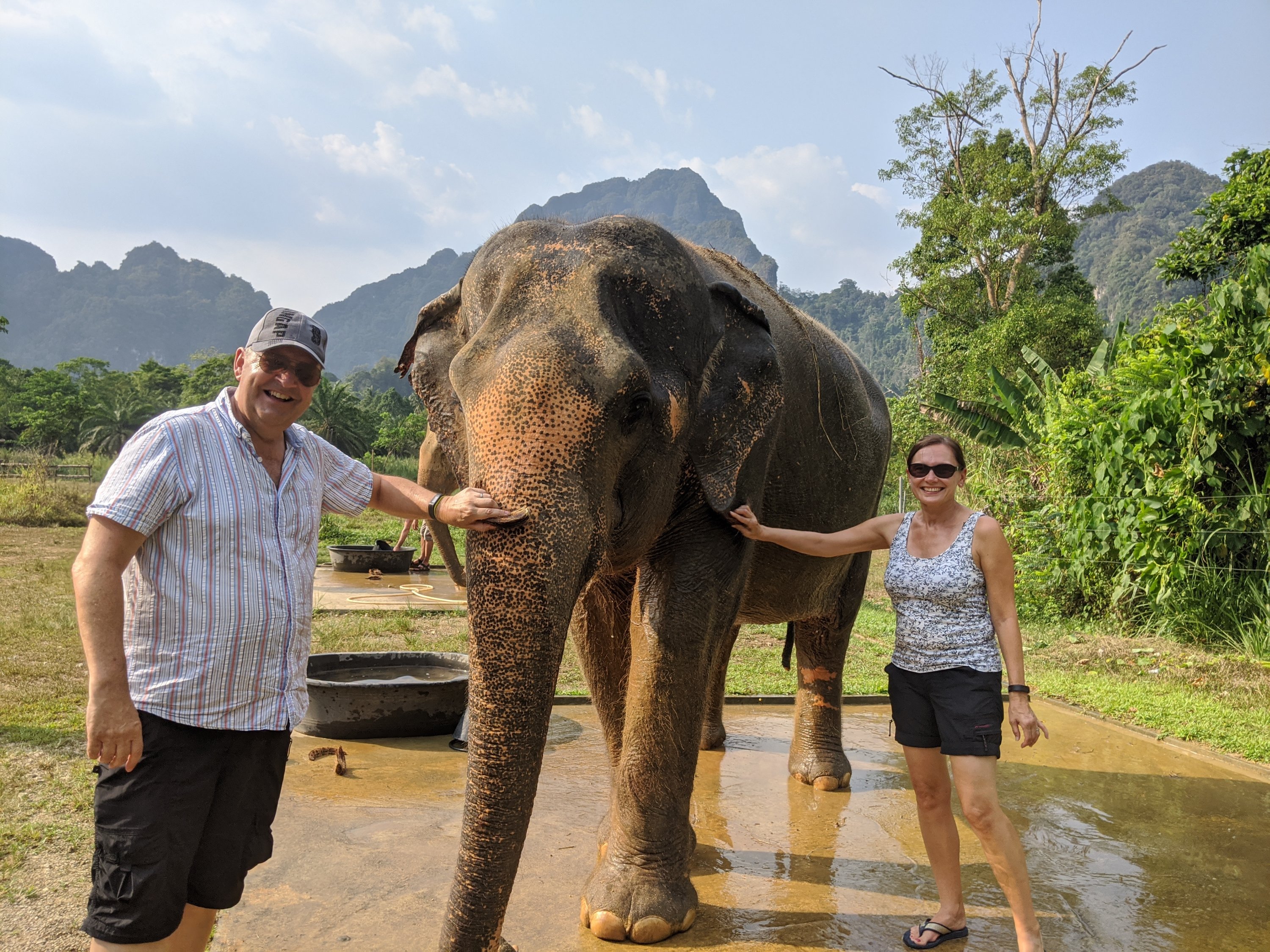
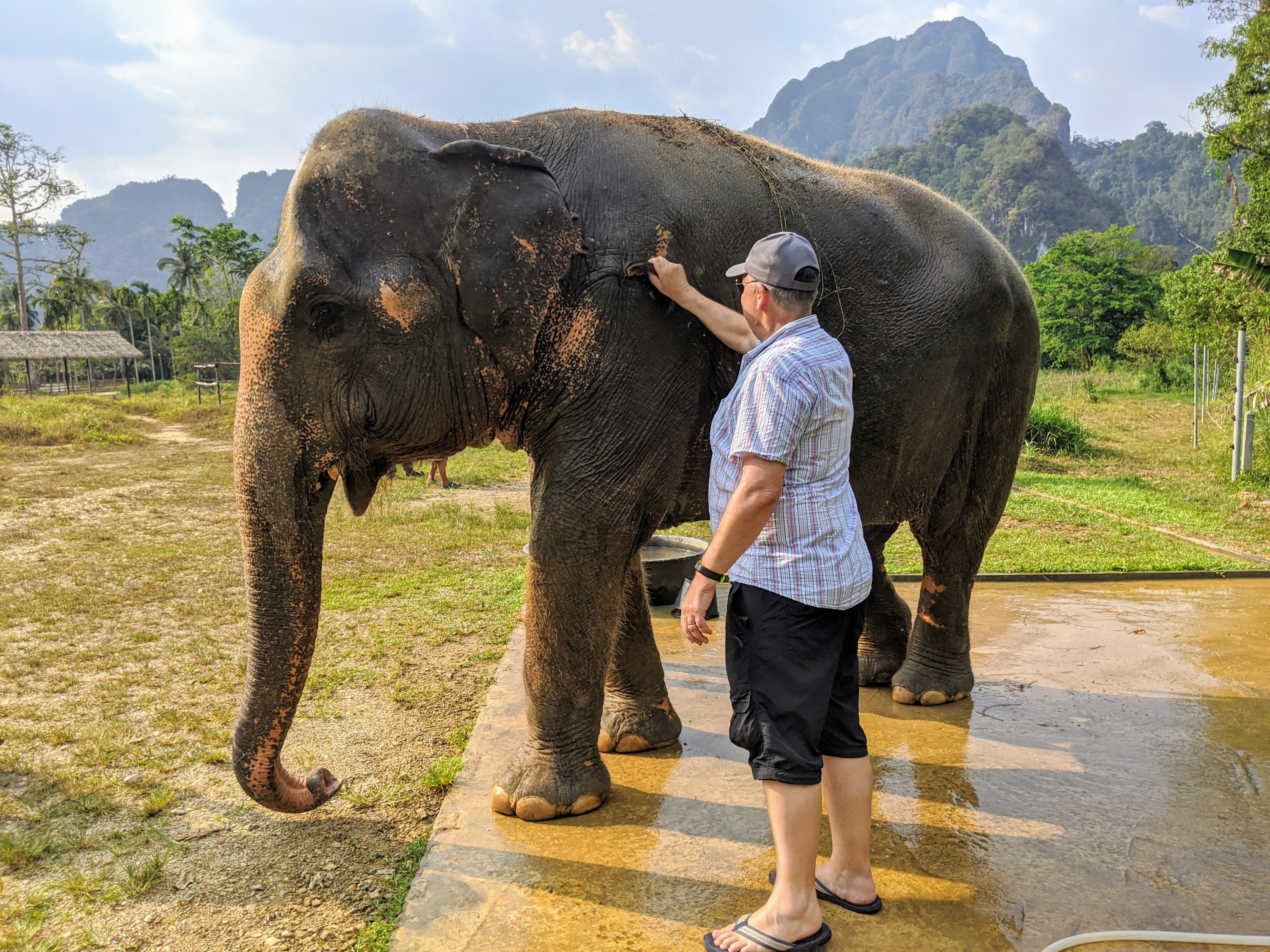
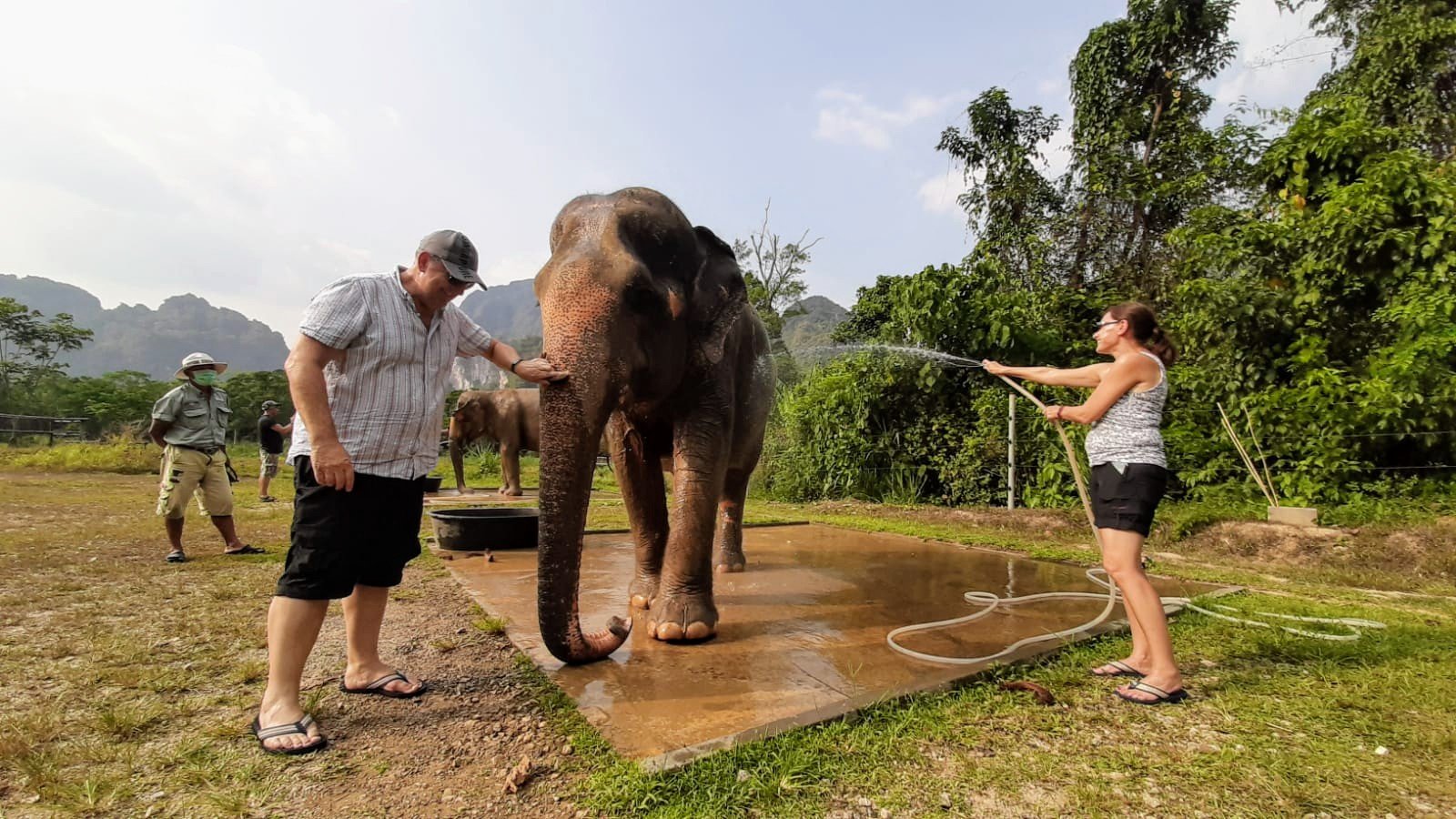
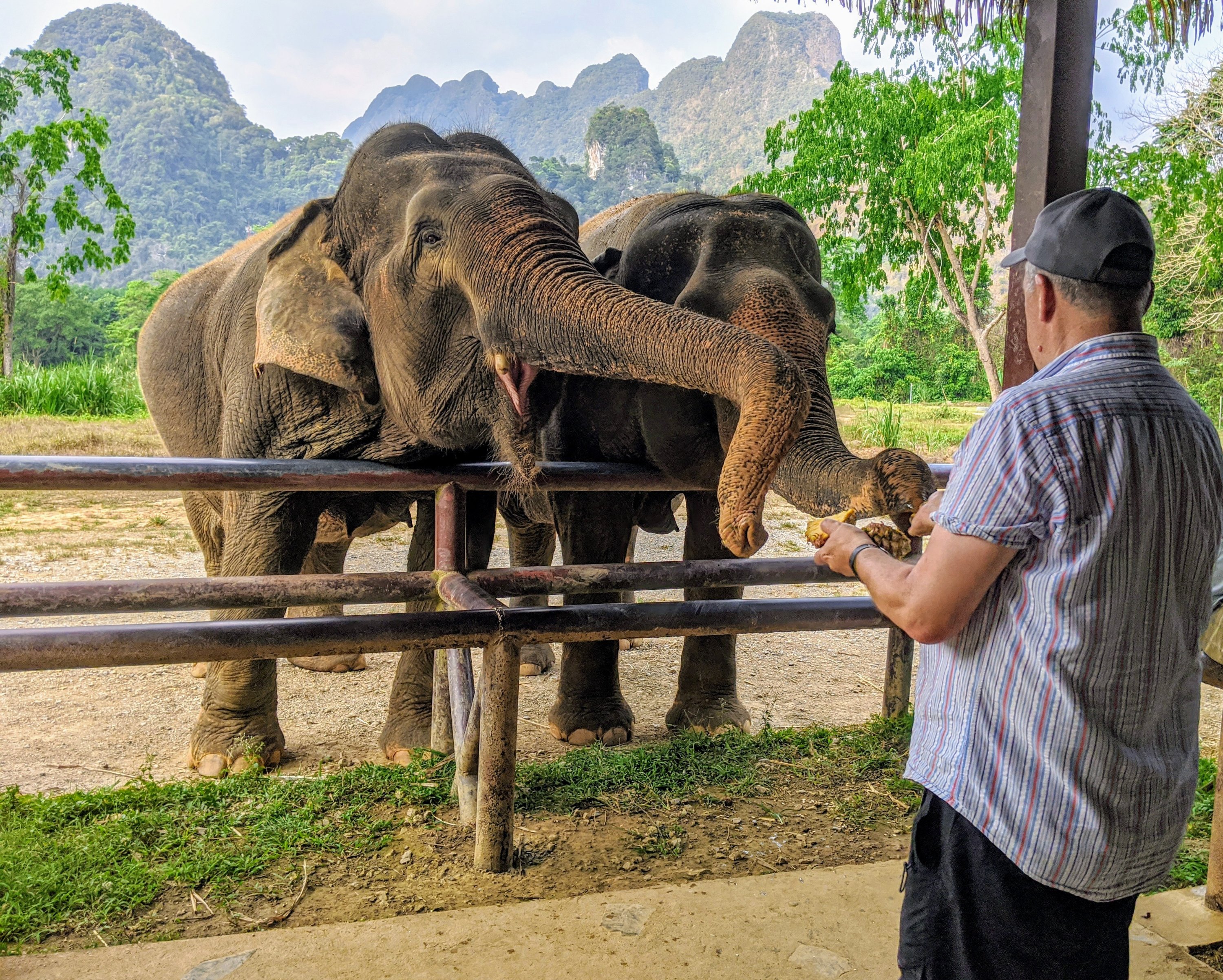
We had the pleasure of showering and scrubbing ‘our’ elephant. Elephants love water – so it was fun for them and us.
Showering and scrubbing our elephant at Elephant Hills Camp … just like washing a big car. Only need to be careful of the eyes and that you don’t get splashed when she uses her trunk to spray water all over
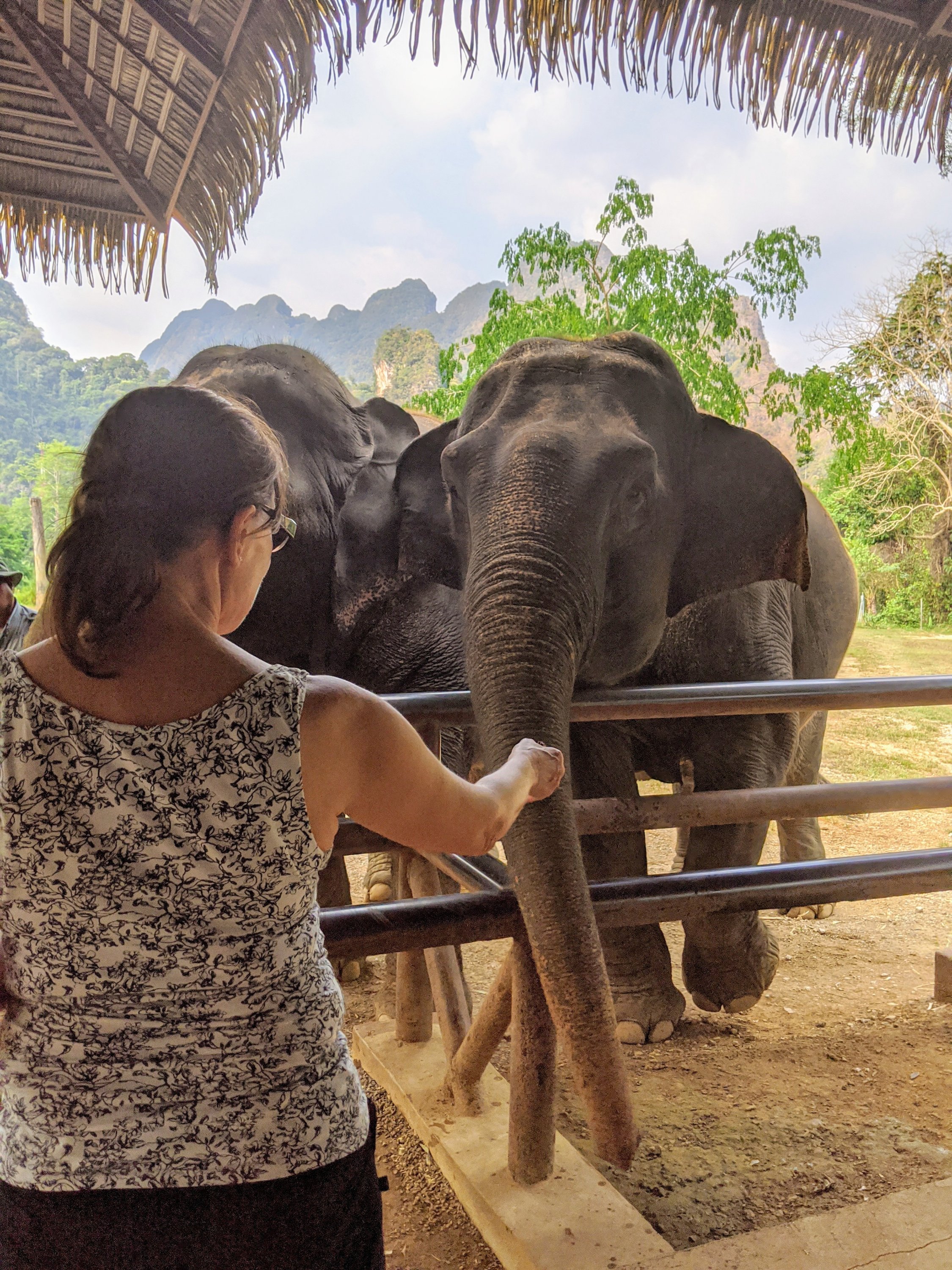
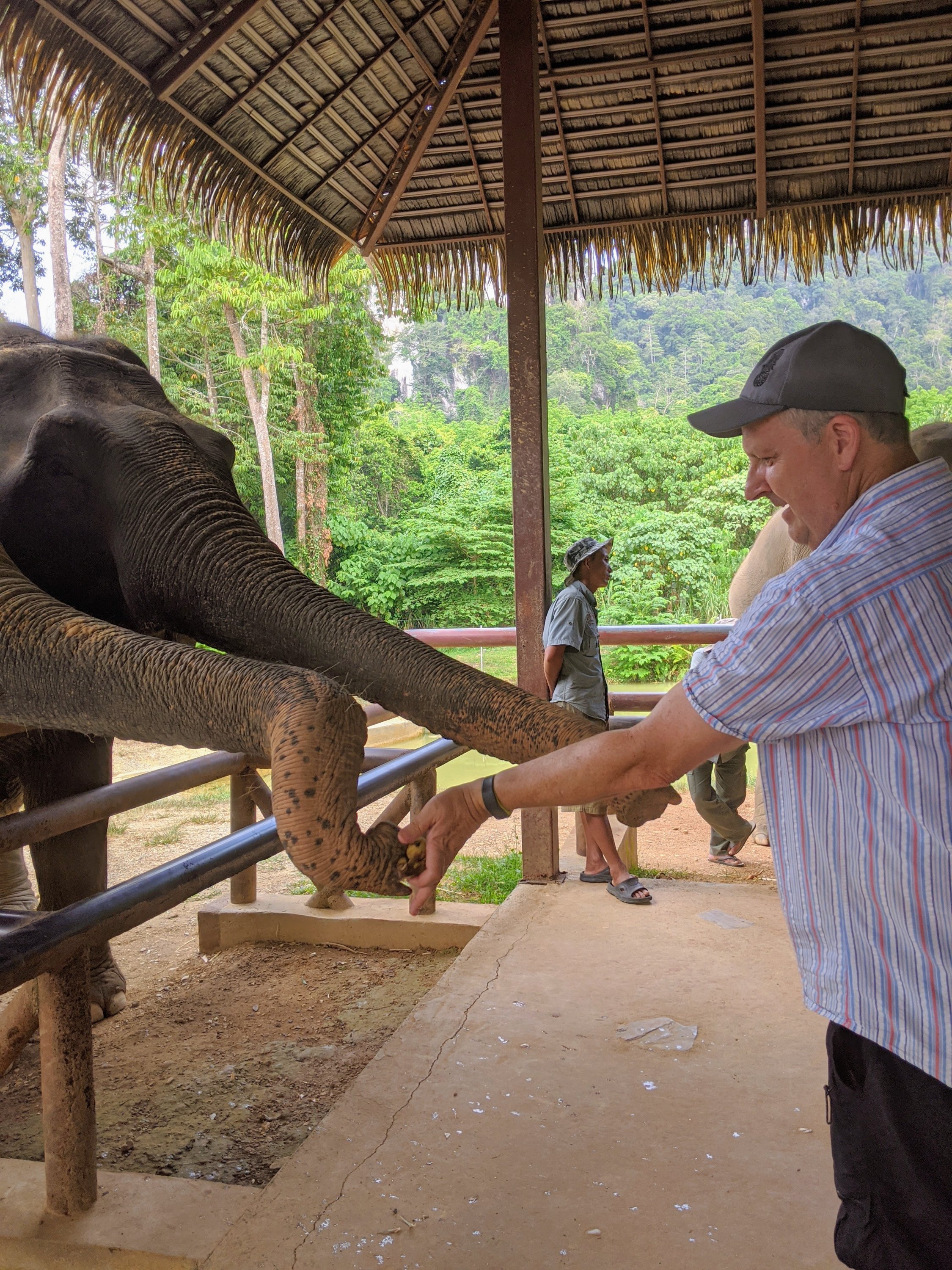
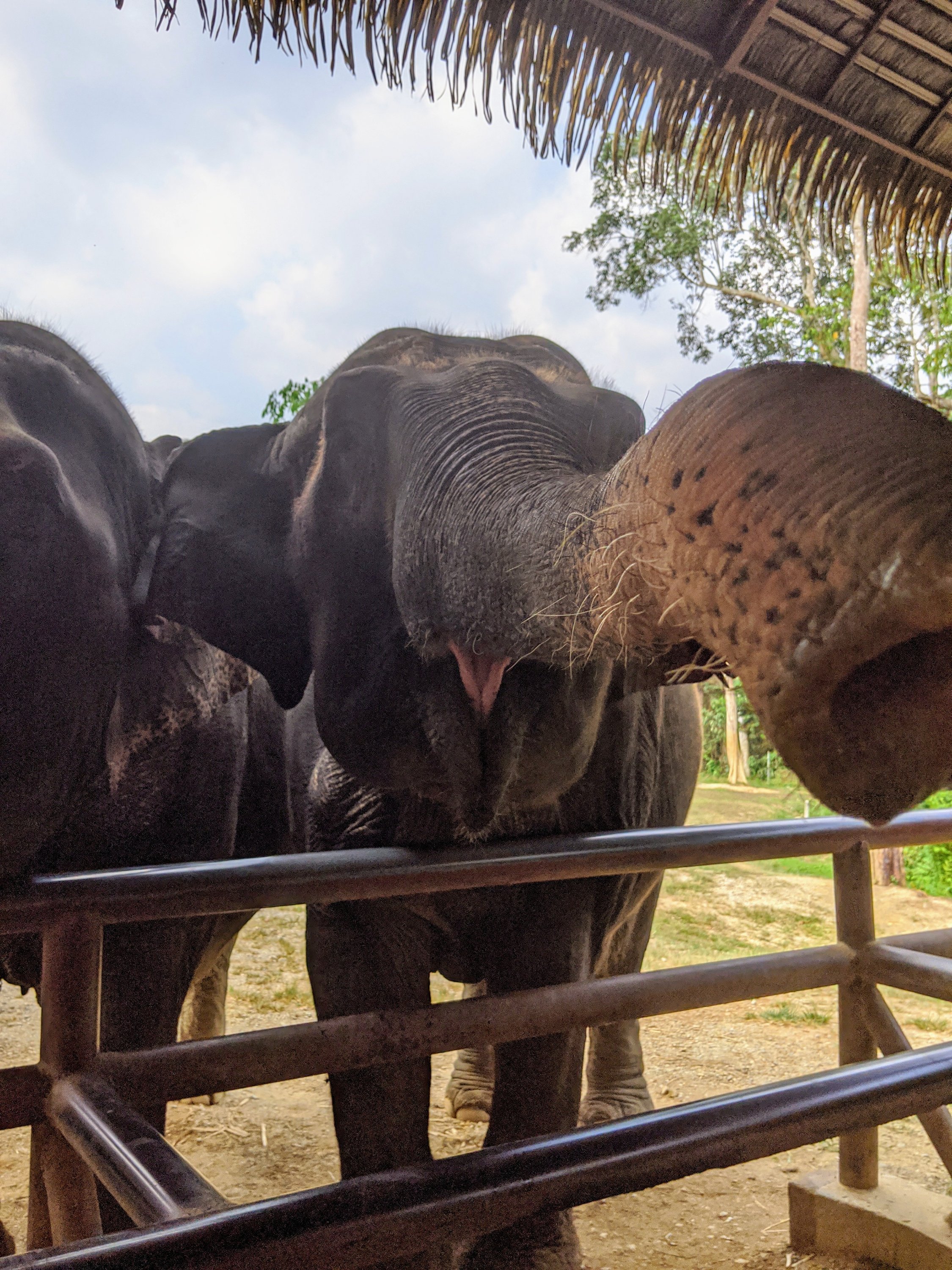
After shower is feeding (or better) snacking time. We prepared a little snack of banana, pineapple, sugar cane and tamarind.
The elephant ladies are keen and it takes a little courage the first time to put your hand out with some food. Slightly messy business but actually fun.
Feeding time is over quickly and it’s time to get ourselves fed back at the camp.
It was a very enjoyable and light hearted day and we did learn a lot about elephant conservation, habits as well as the role of the elephant in Thai society.
Out to find something to eat which is a bit more inspiring than what we had the night before …
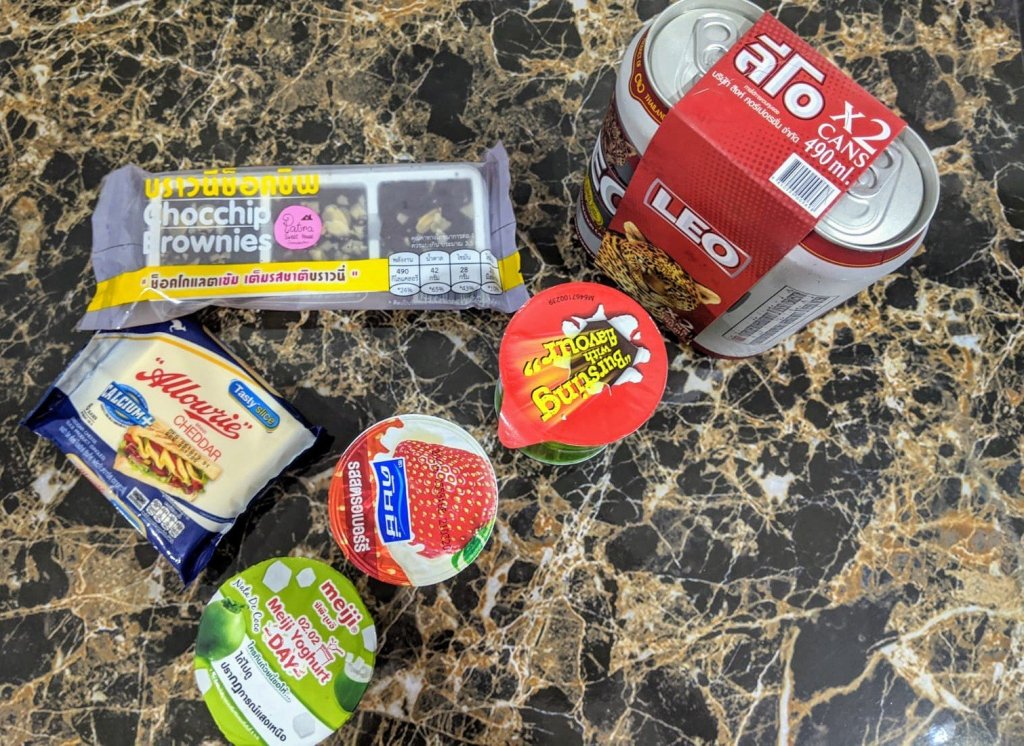
Last dinner in Bangkok – not much around the hotel we stayed at. 7 Eleven was the only serious option.
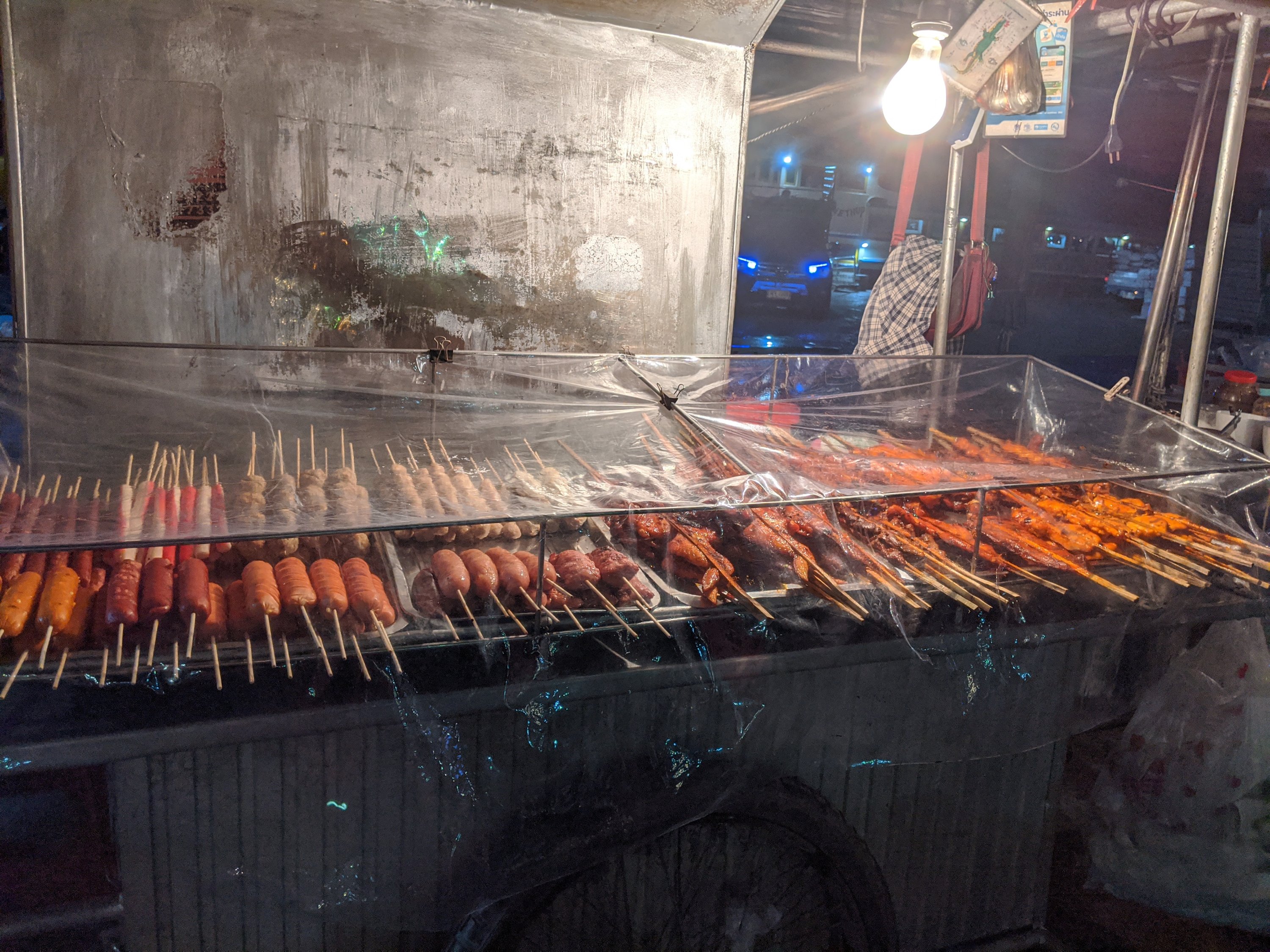
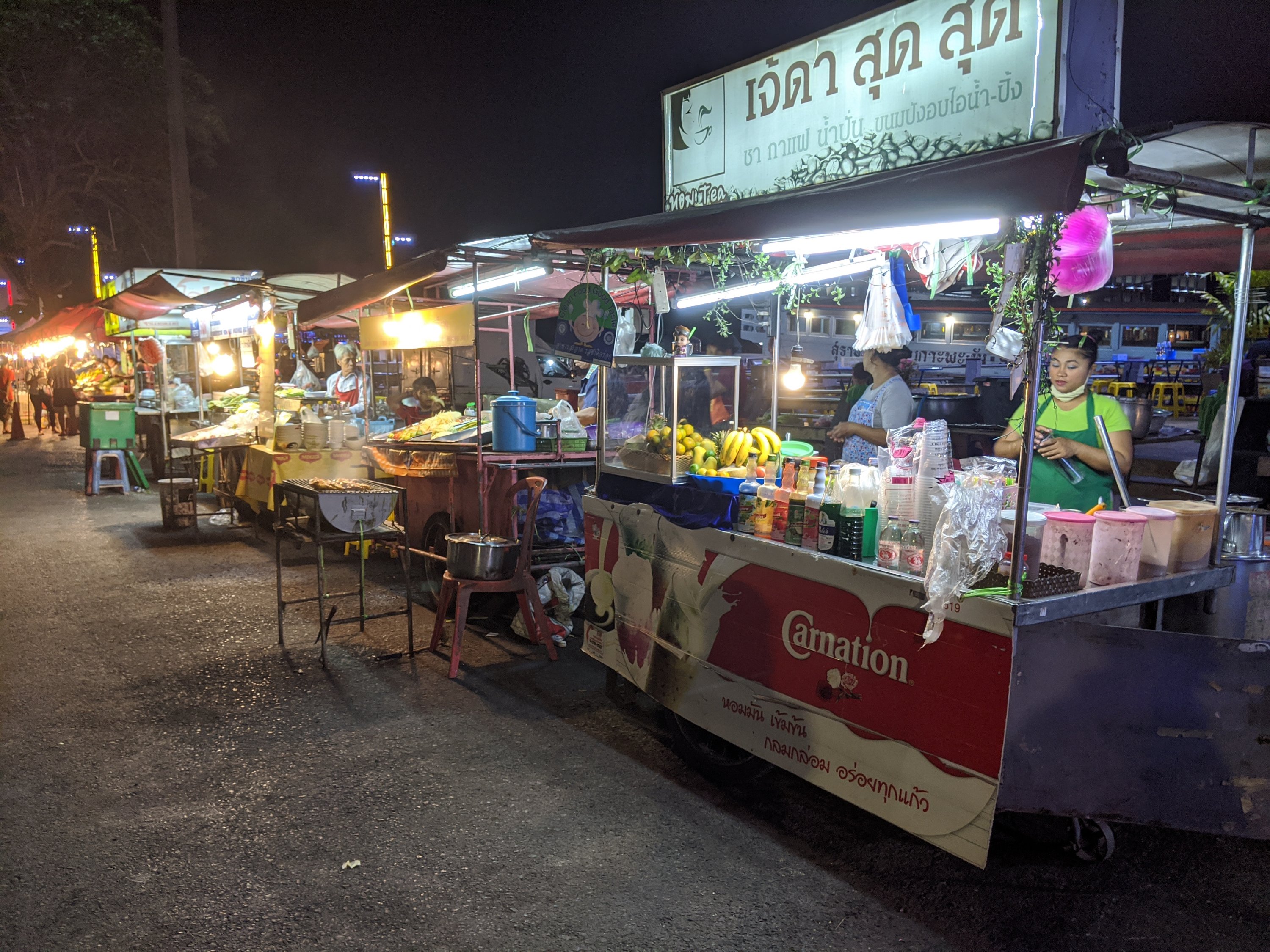
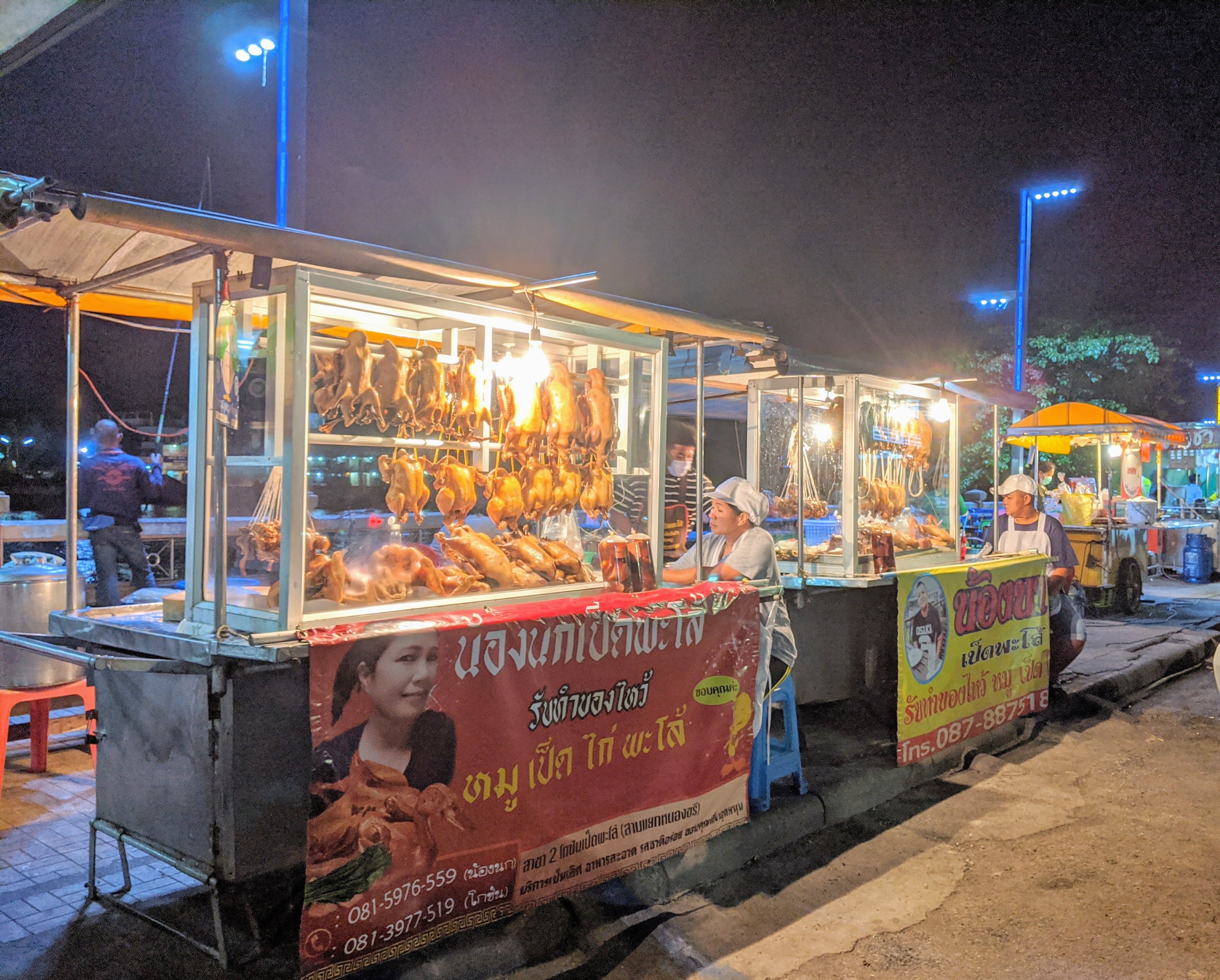
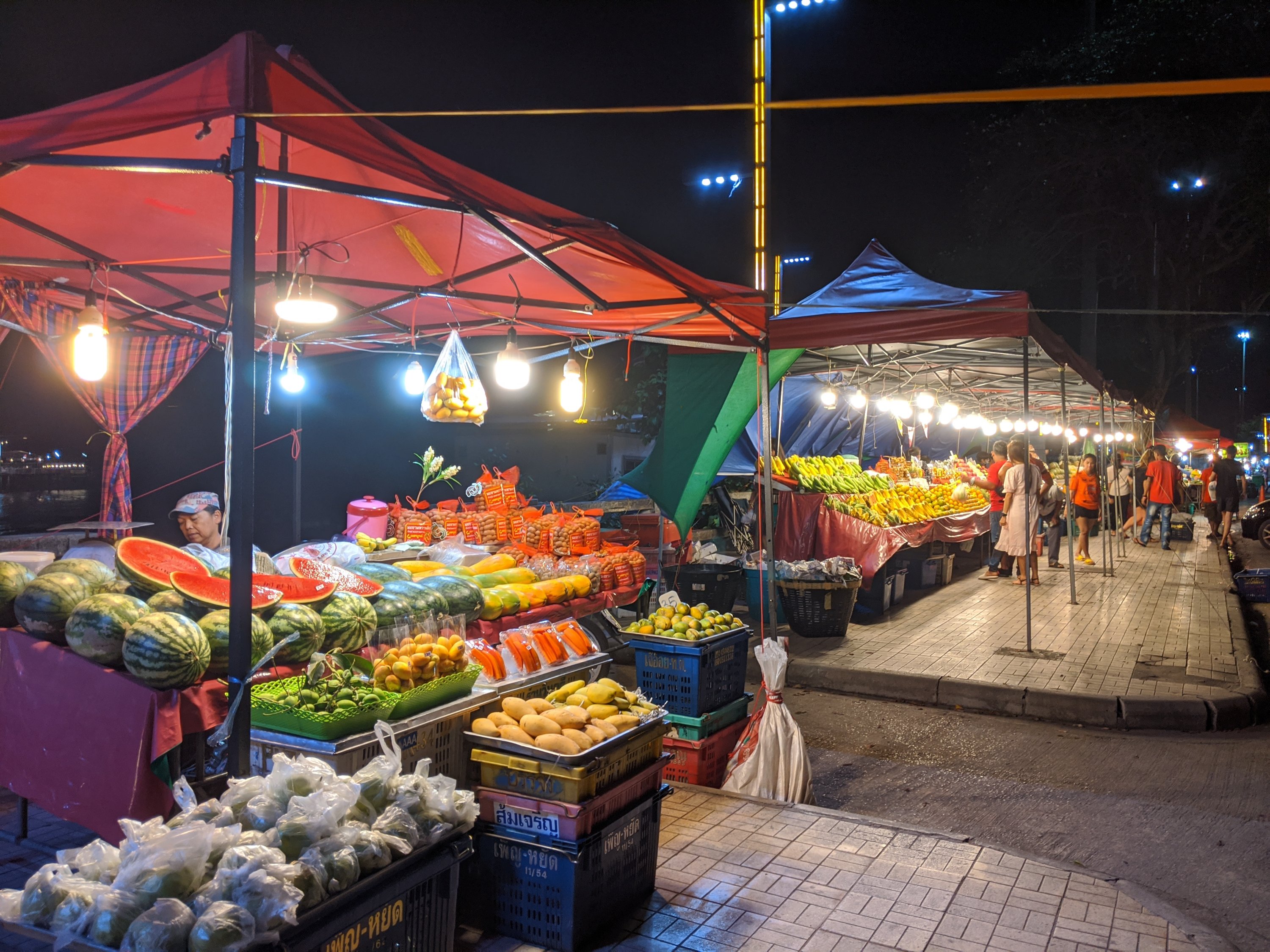
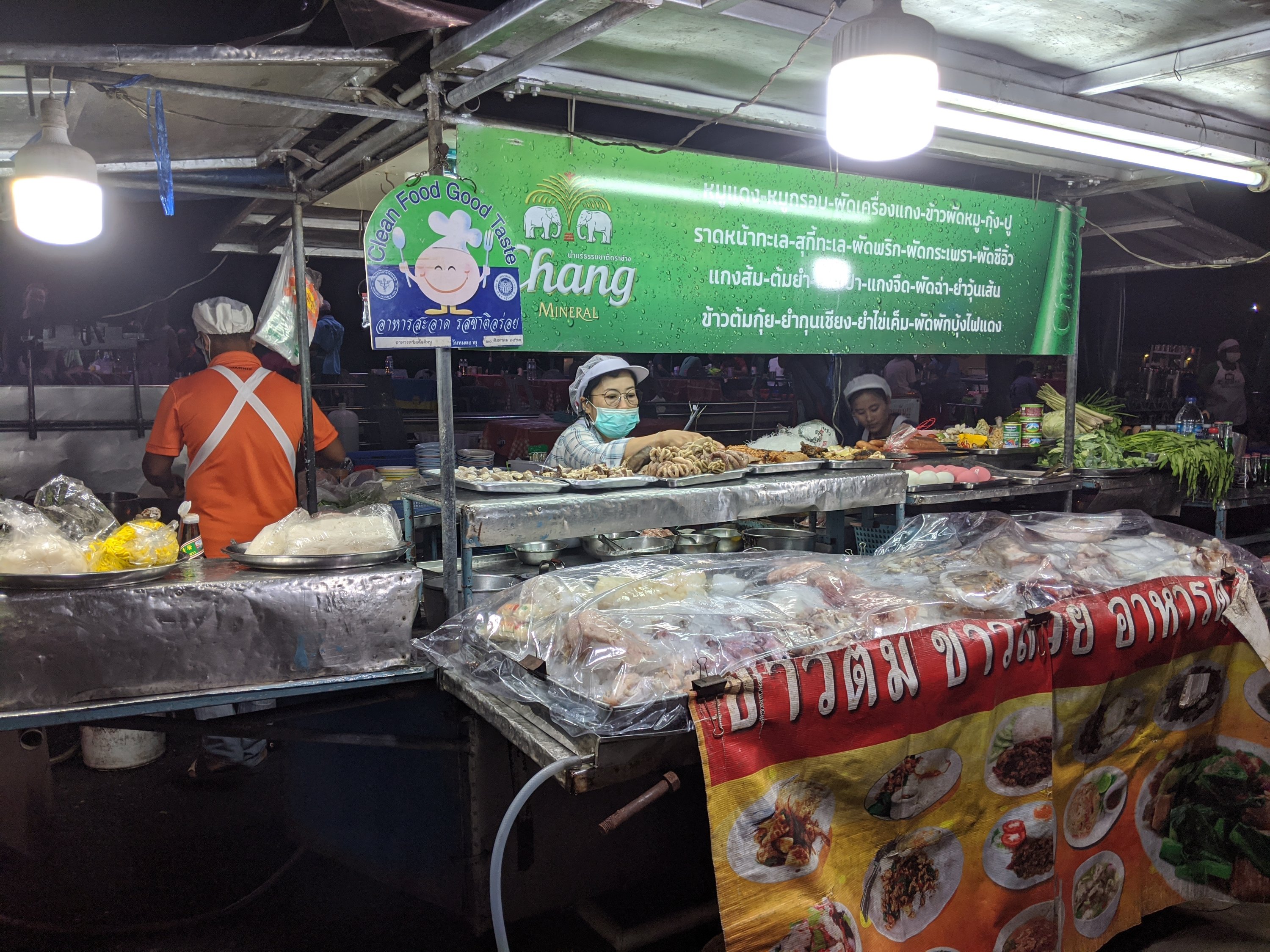
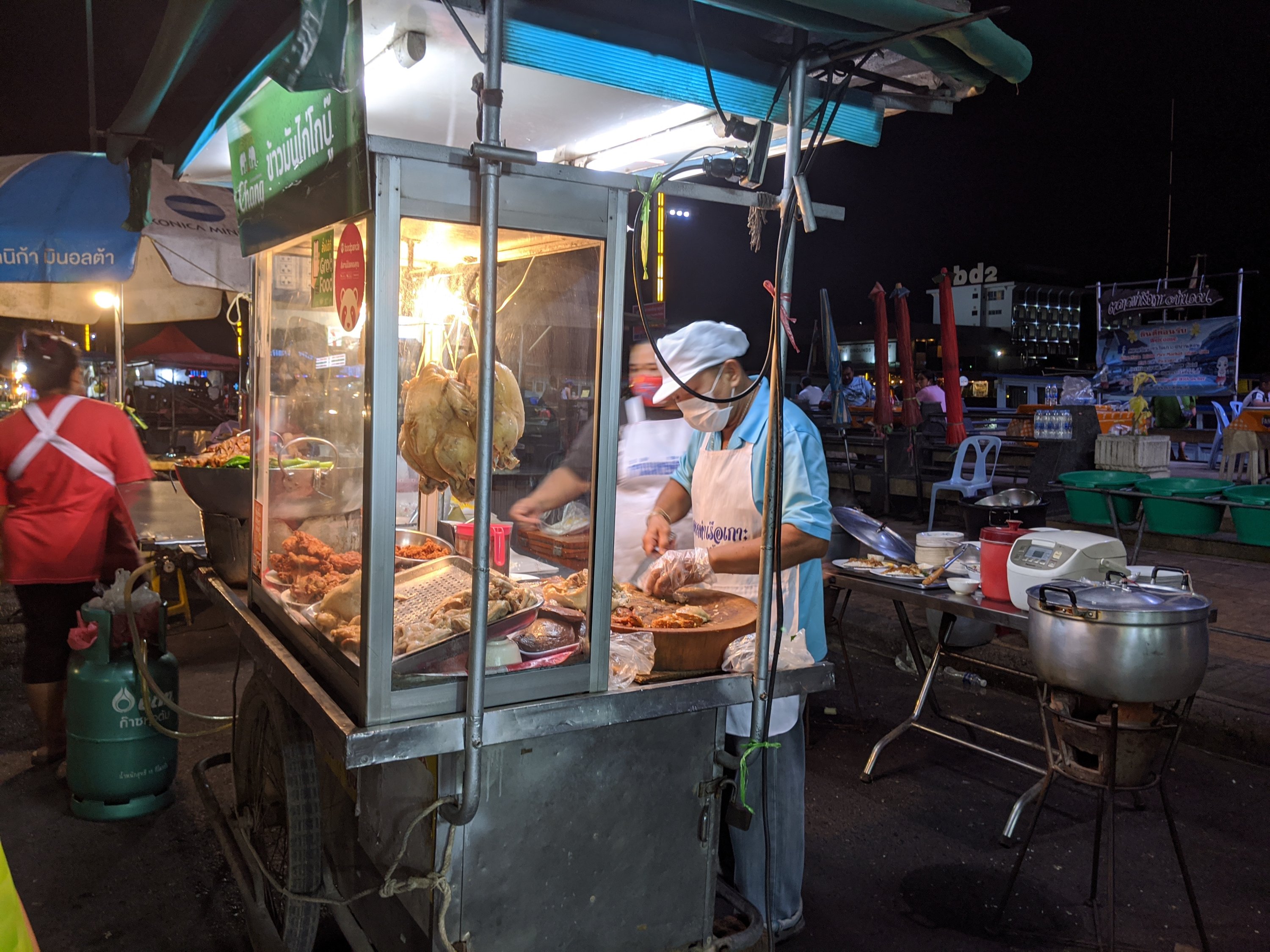
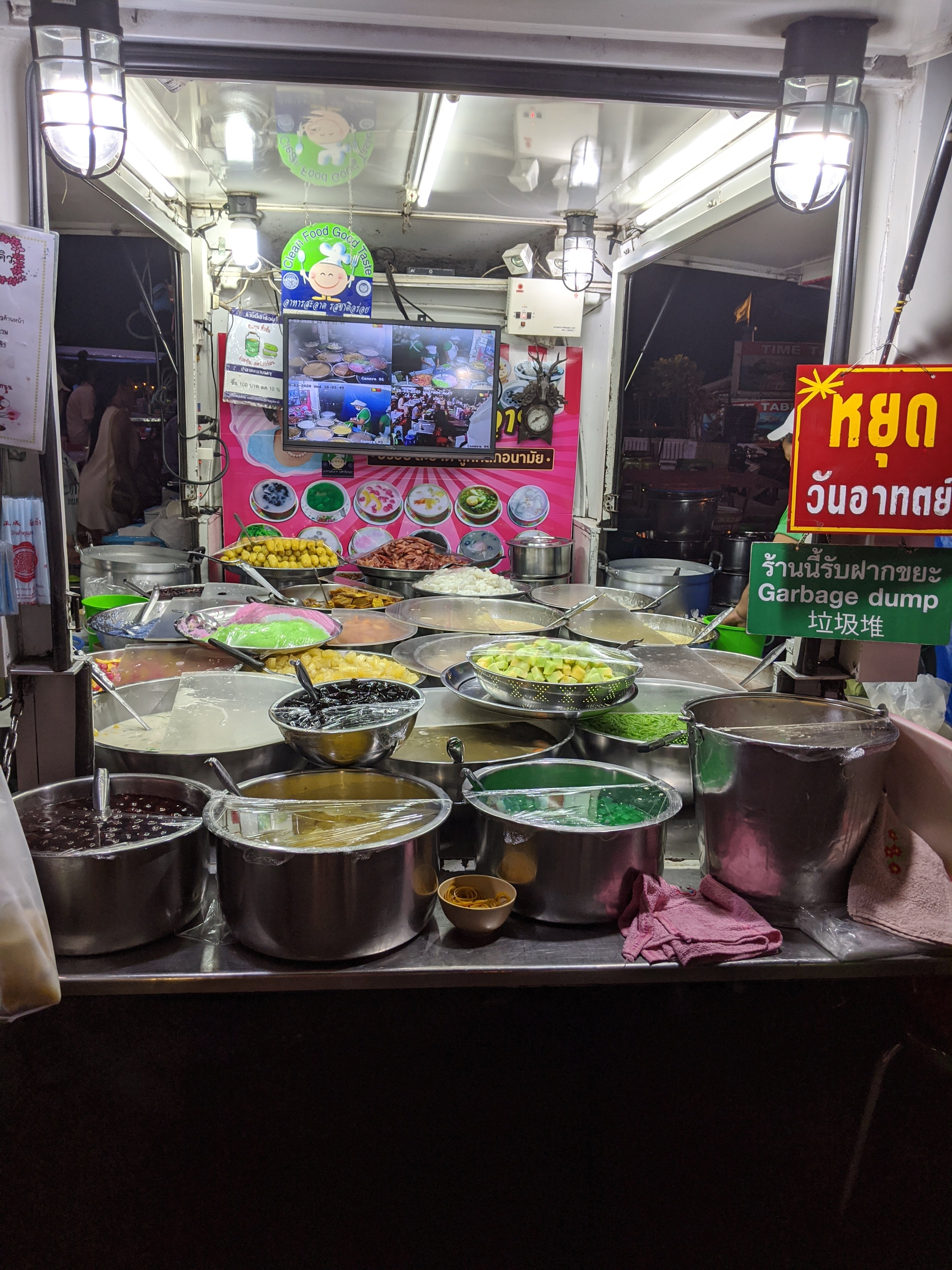
Surat Thani has actually a lovely night market with lots of interesting food. And well frequented by the locals.
Surat Thani – night food market. Loved the stall with the desserts where you had to take a number to get served and everything got recorded on the big screen
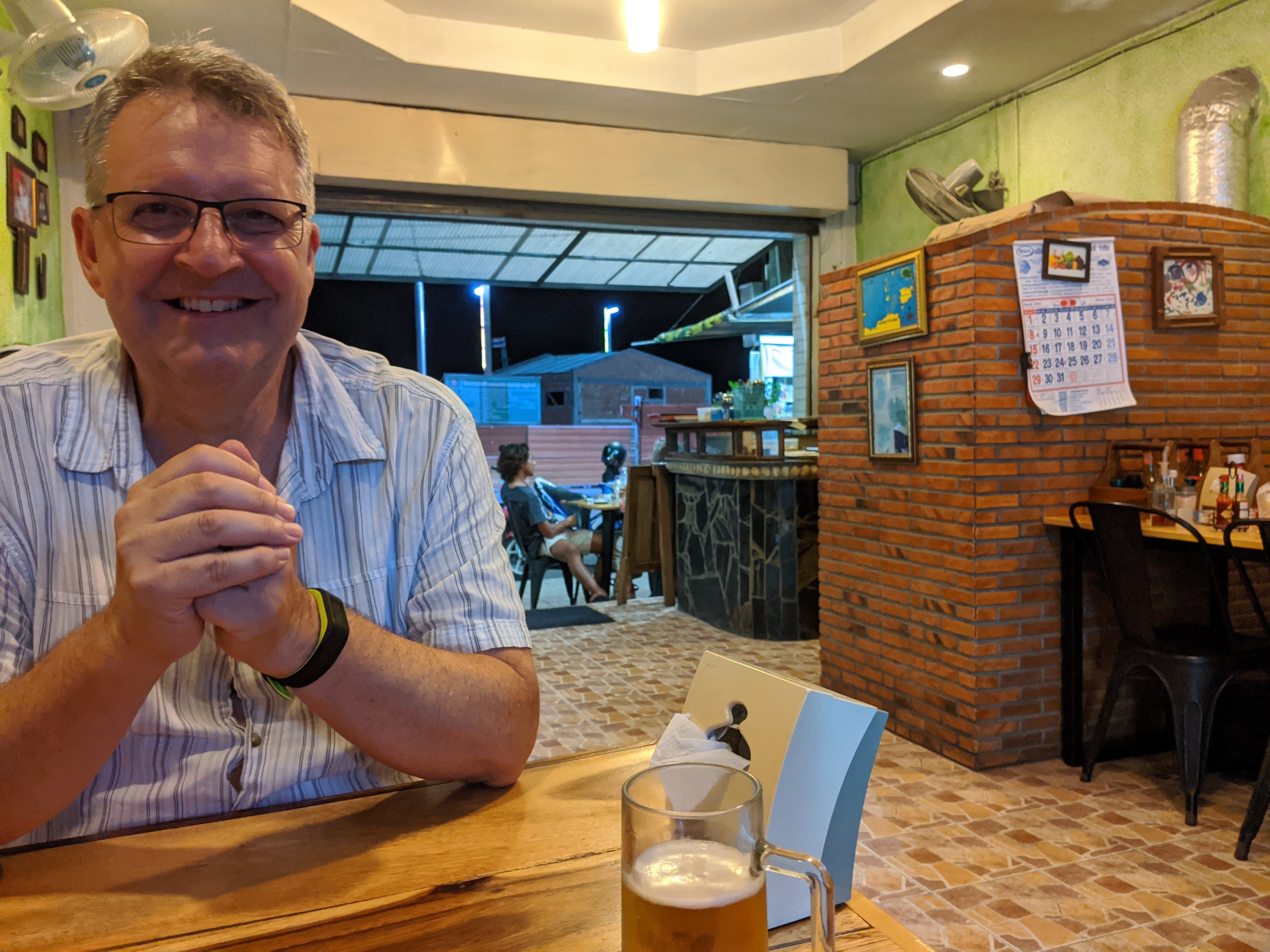
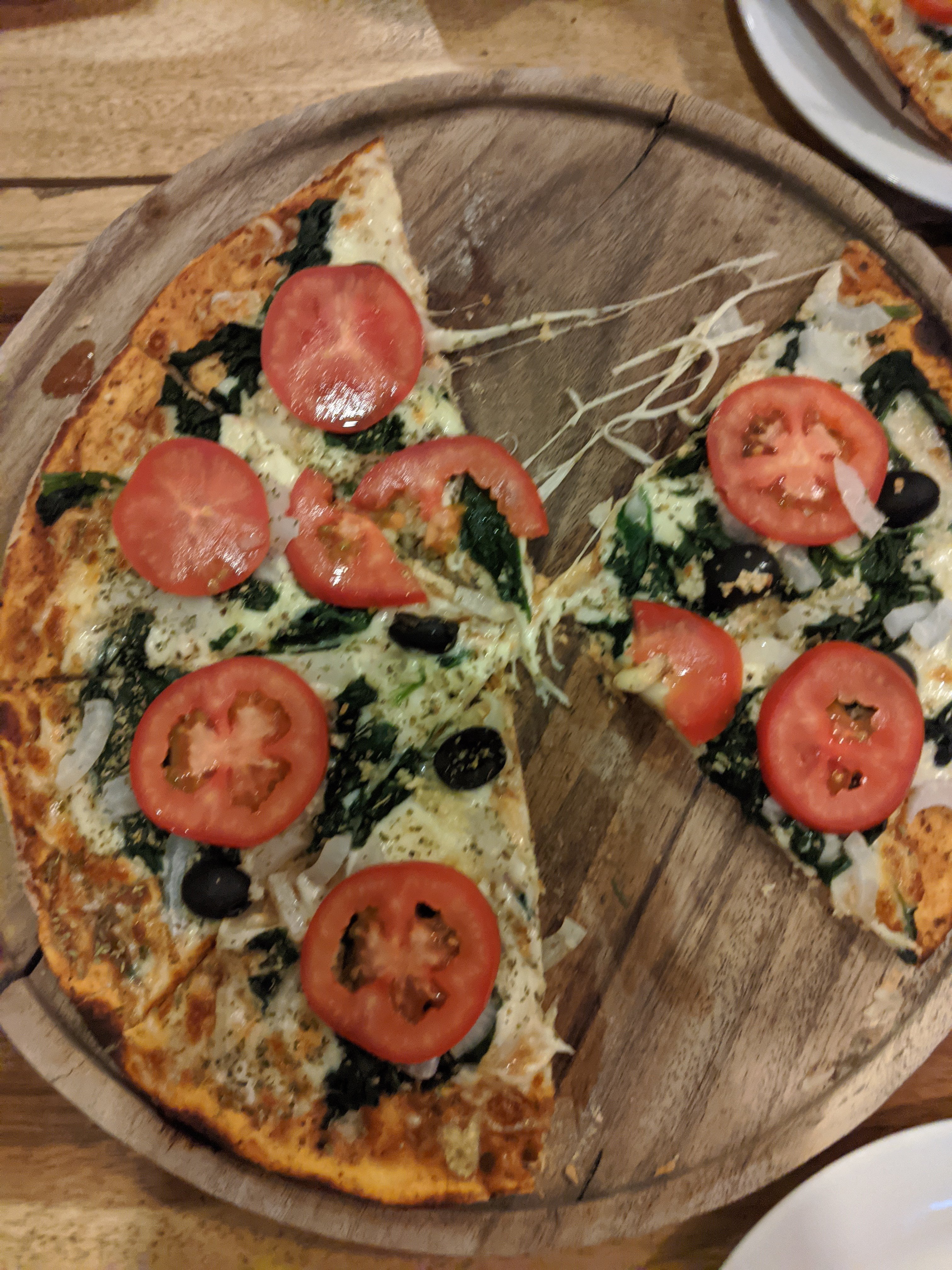
Ironically, we decided to go for pizza – a nice change to Pad Thai and red, green or yellow curries
Dinner at Milano – a place where you can meet other tourists 😊
We left Bangkok early this morning – escaping the humidity, crowds, smog of the big city – after passing the temperature check at the airport.
Surat Thani is in southern Thailand, set on the Gulf of Thailand and the town / port of Surat Thani is generally the gateway for the islands of Ko Samui, Ko Pha Ngan and Ko Tao.
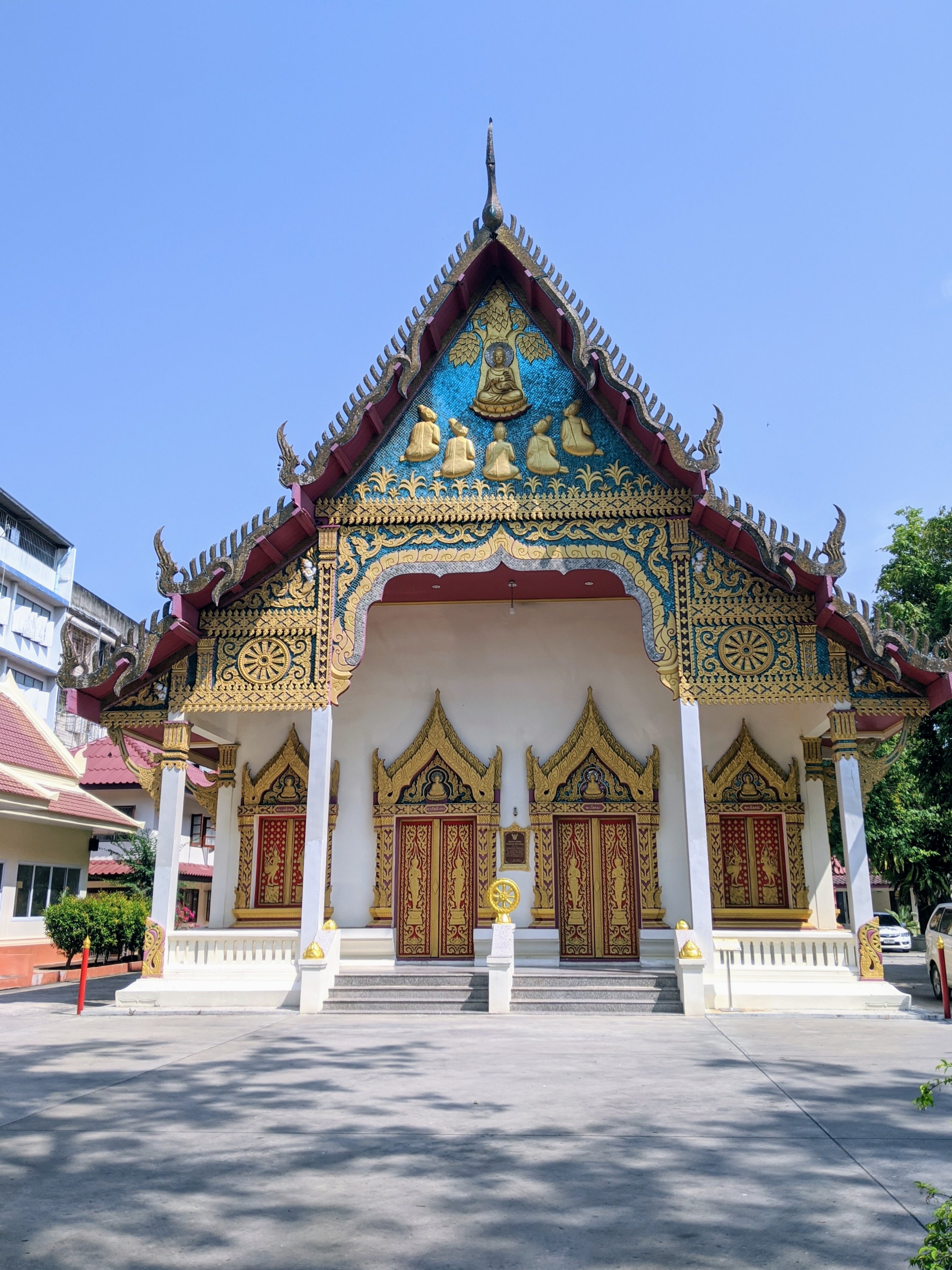
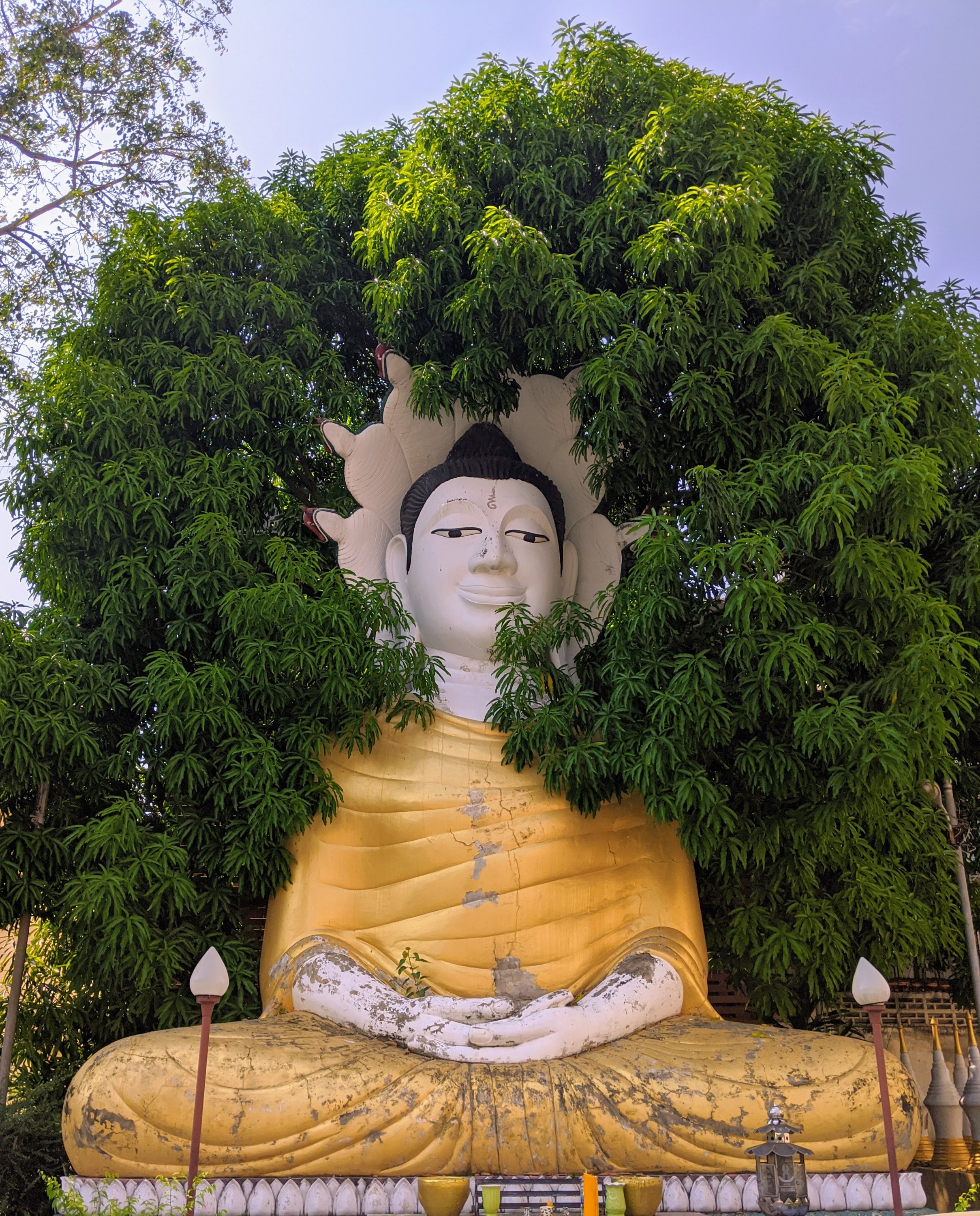
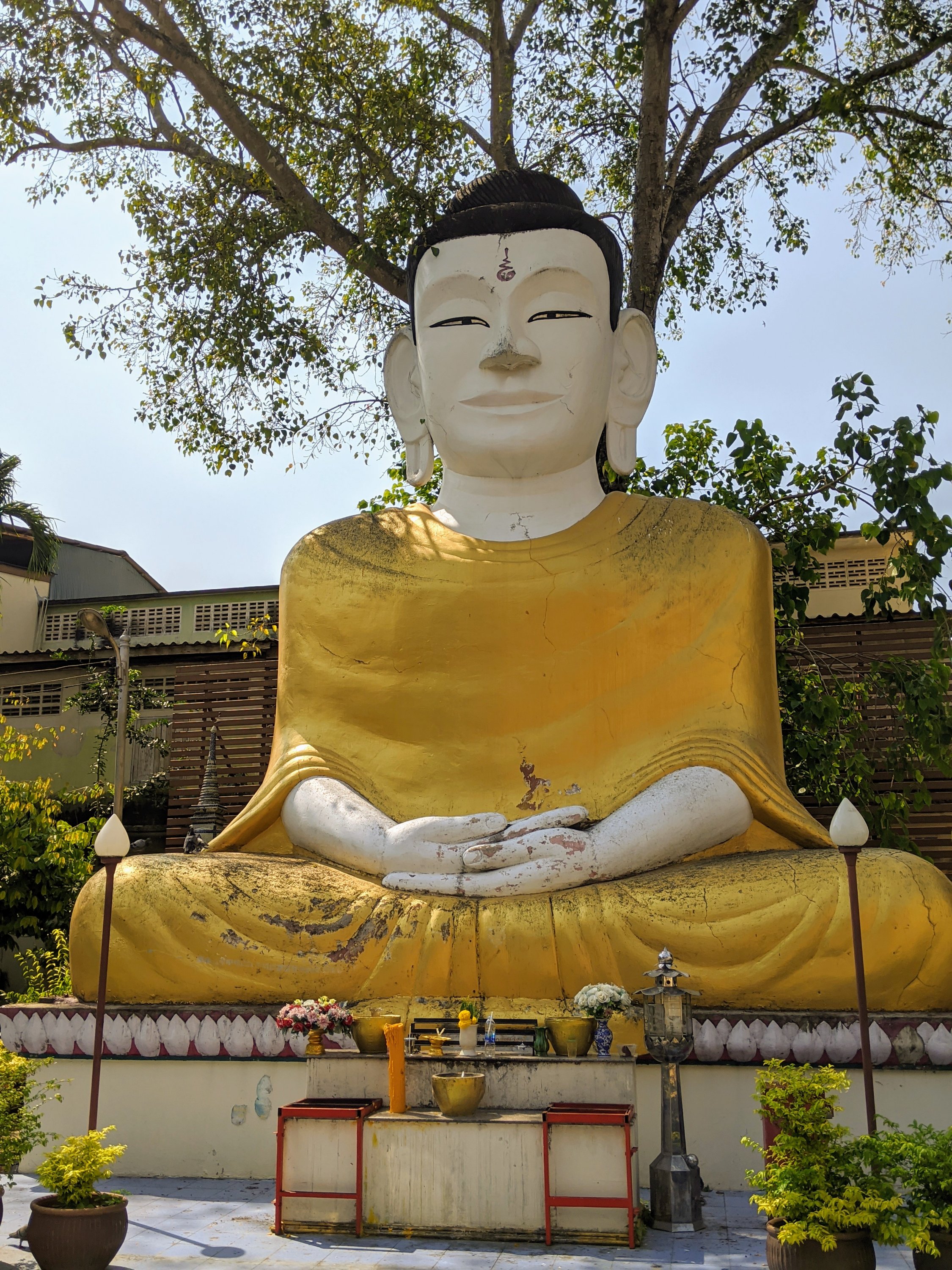
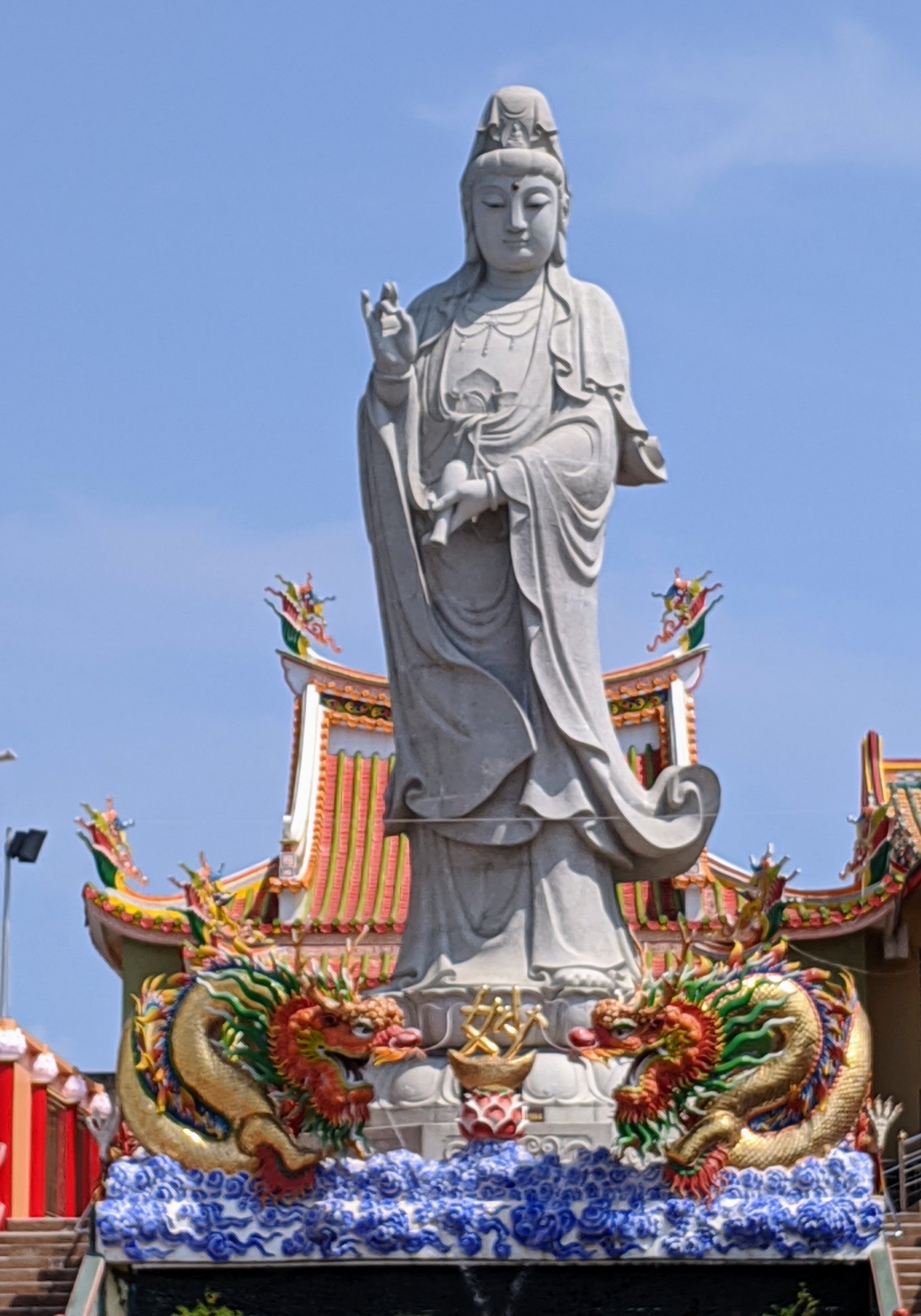
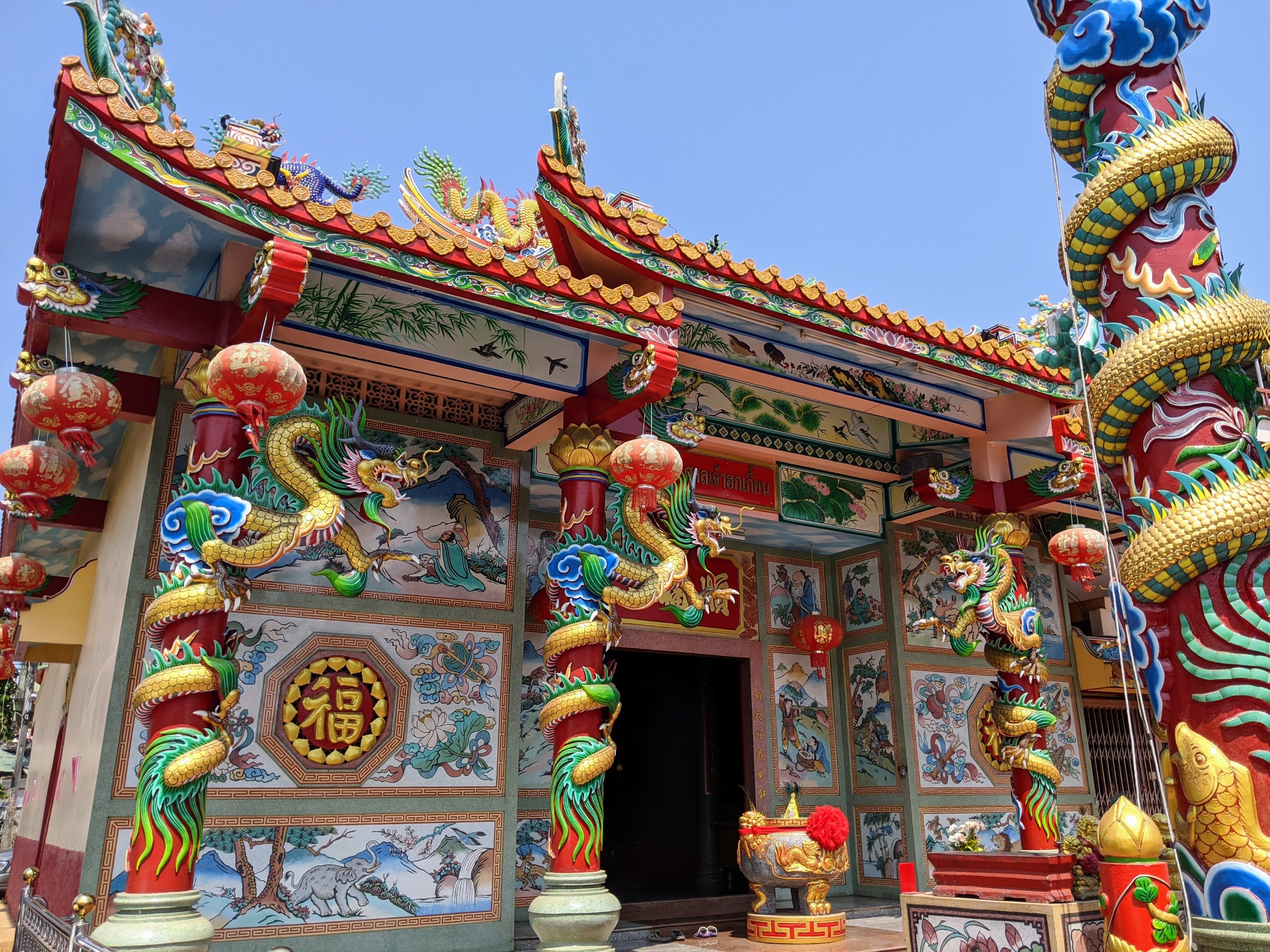
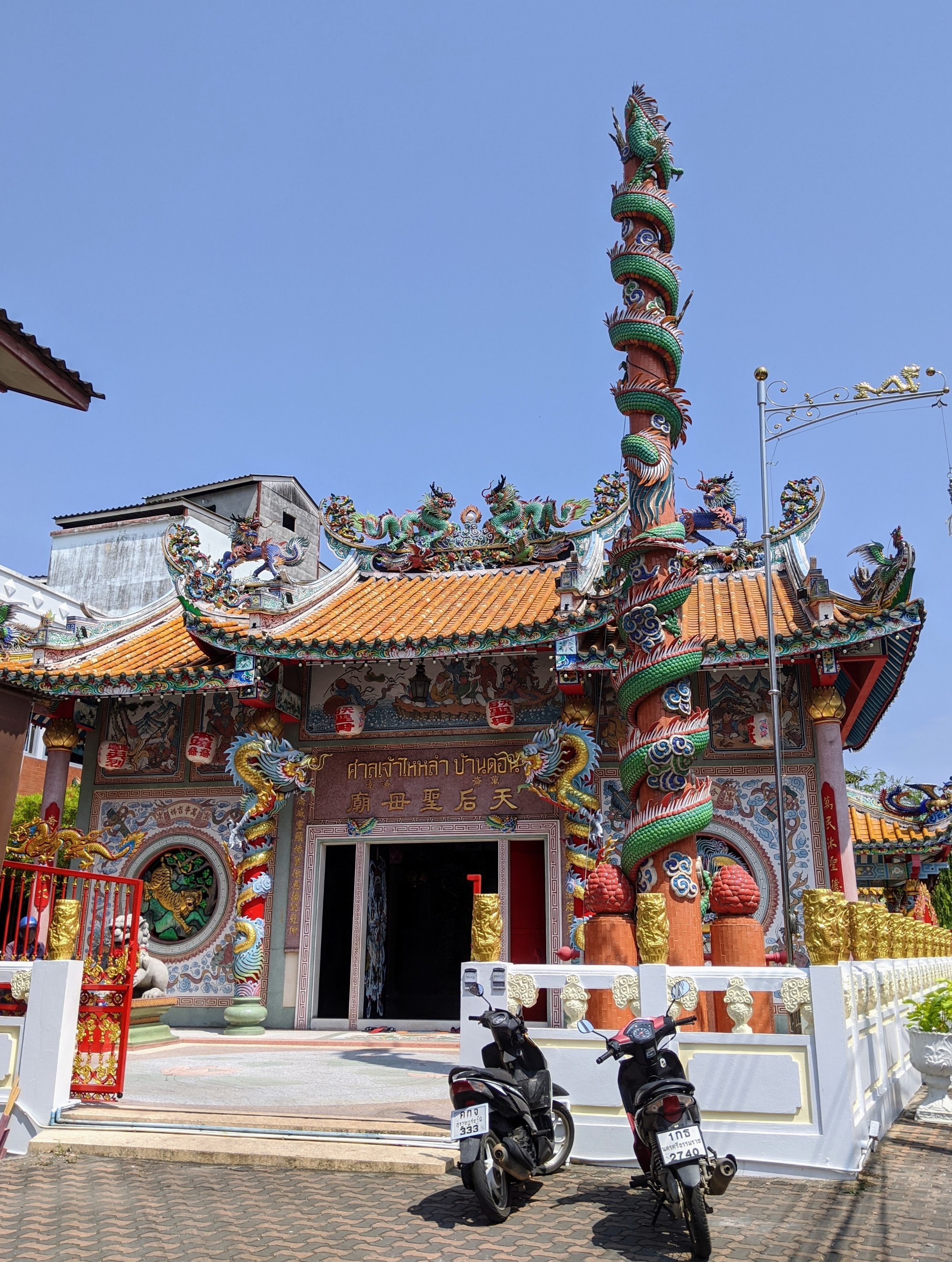
Surat Thani, which translates to “City of Good People”, is one of the oldest cities of Thailand dating back to the 5th-century. Wandering around town, we stumbled across many temples and shrines in unexpected corners. Surprisingly with a strong Chinese influence
Temples and Shrines in Surat Thani
The town has hardly any foreigners and almost no tourists. It’s not really a tourist destination and all the more interesting as not much English is spoken.
So why are we here ?
For us, it’s the gateway to our Jungle safari at Khao Sok National Park which we start tomorrow. Today is all about getting ready for the jungle track …
Imagine clothes being sprayed with insect repellent, readying a small overnight pack for our stay at Elephant Hill and Rain Forest camp etc 😊
Quite excited about our encounter with elephants, kayaking and tracking through one of the oldest rainforests in the world.
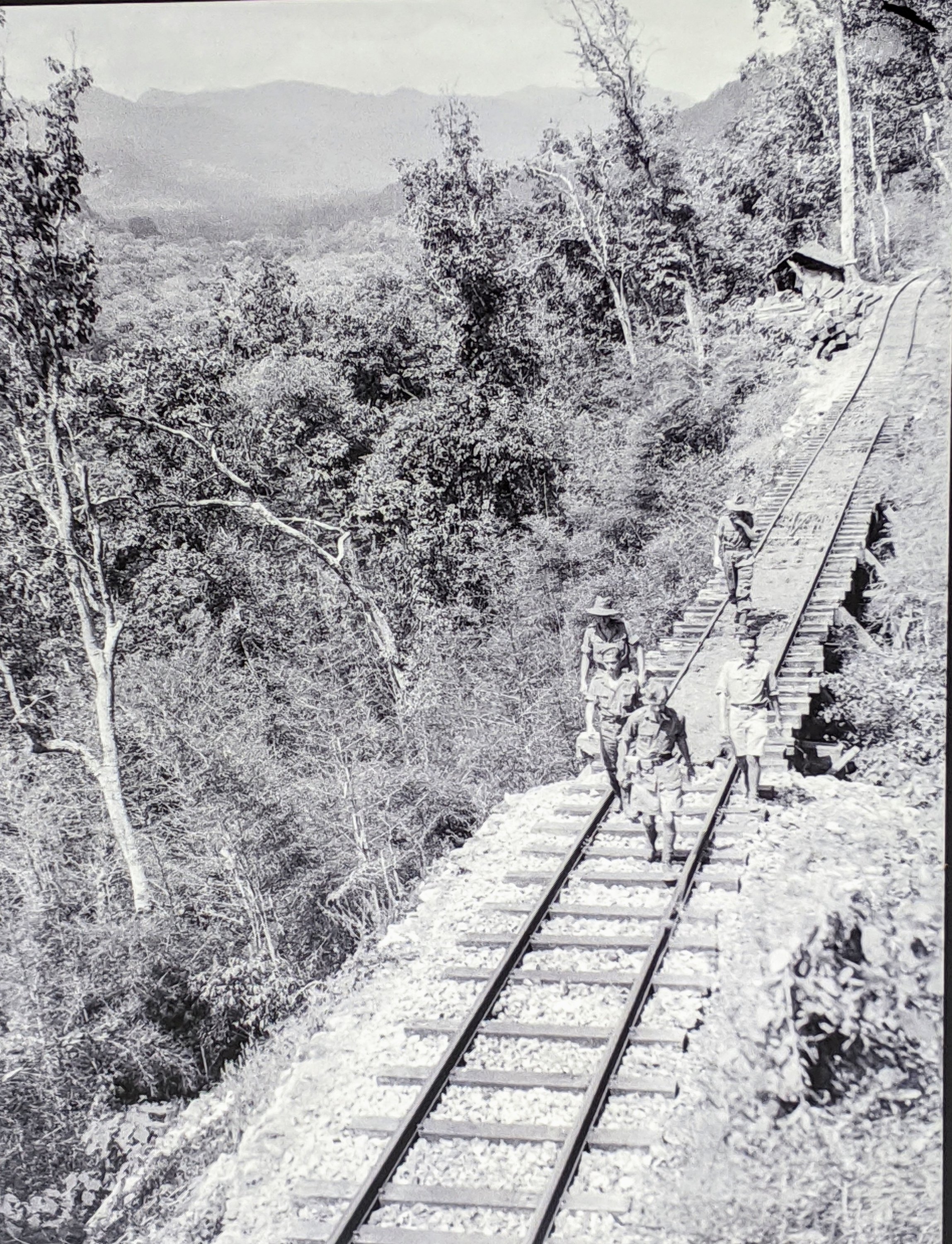
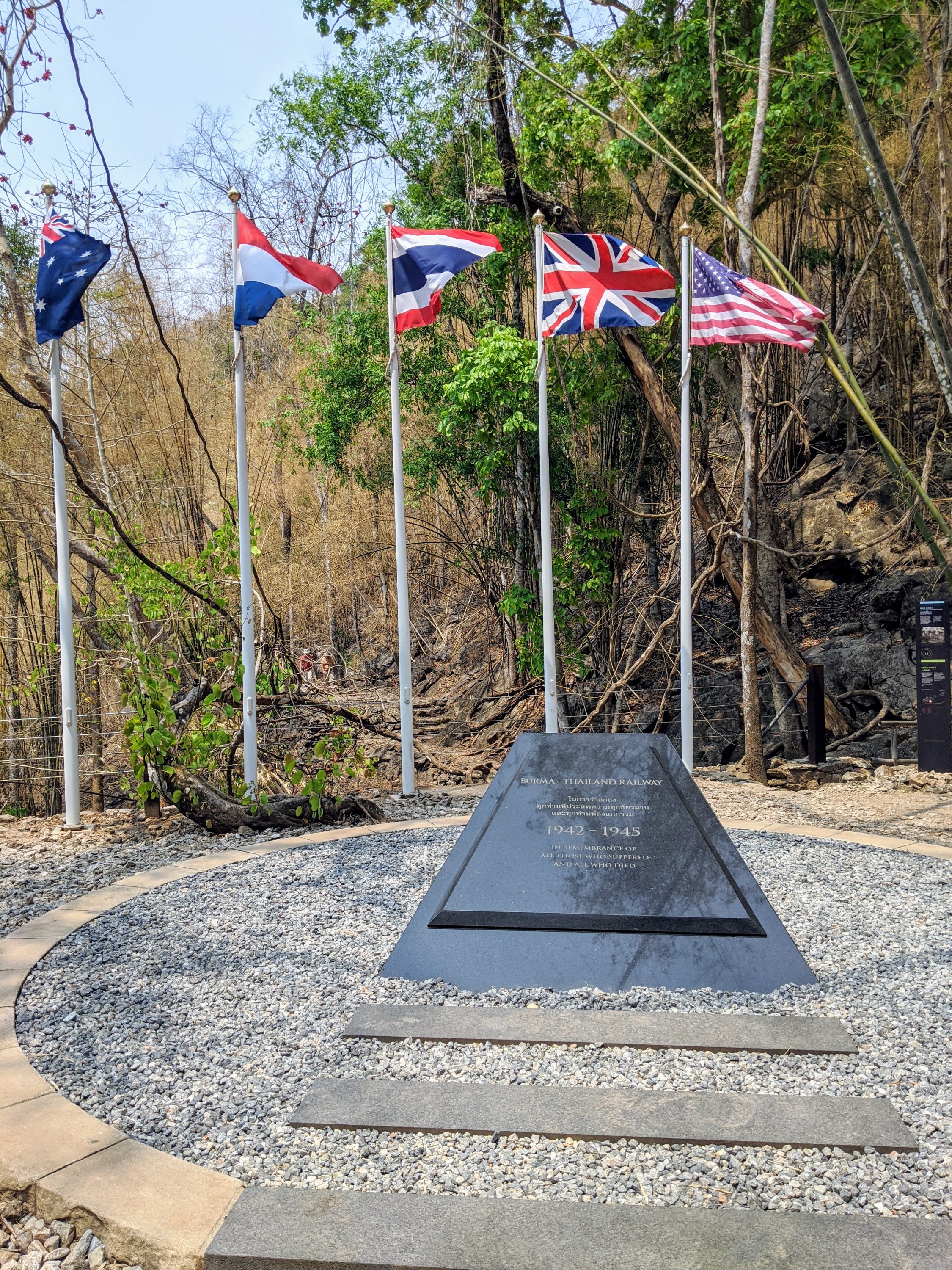
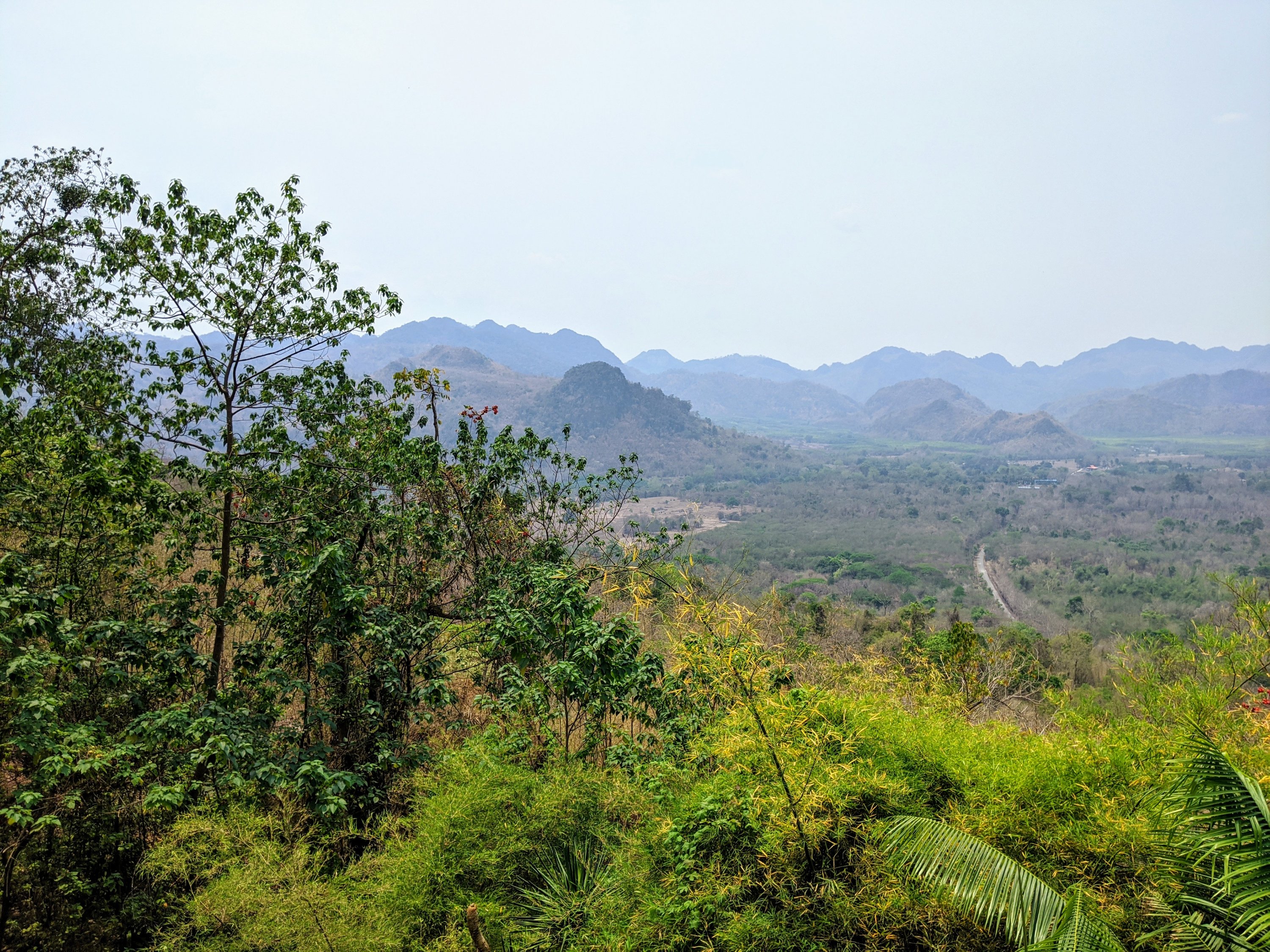
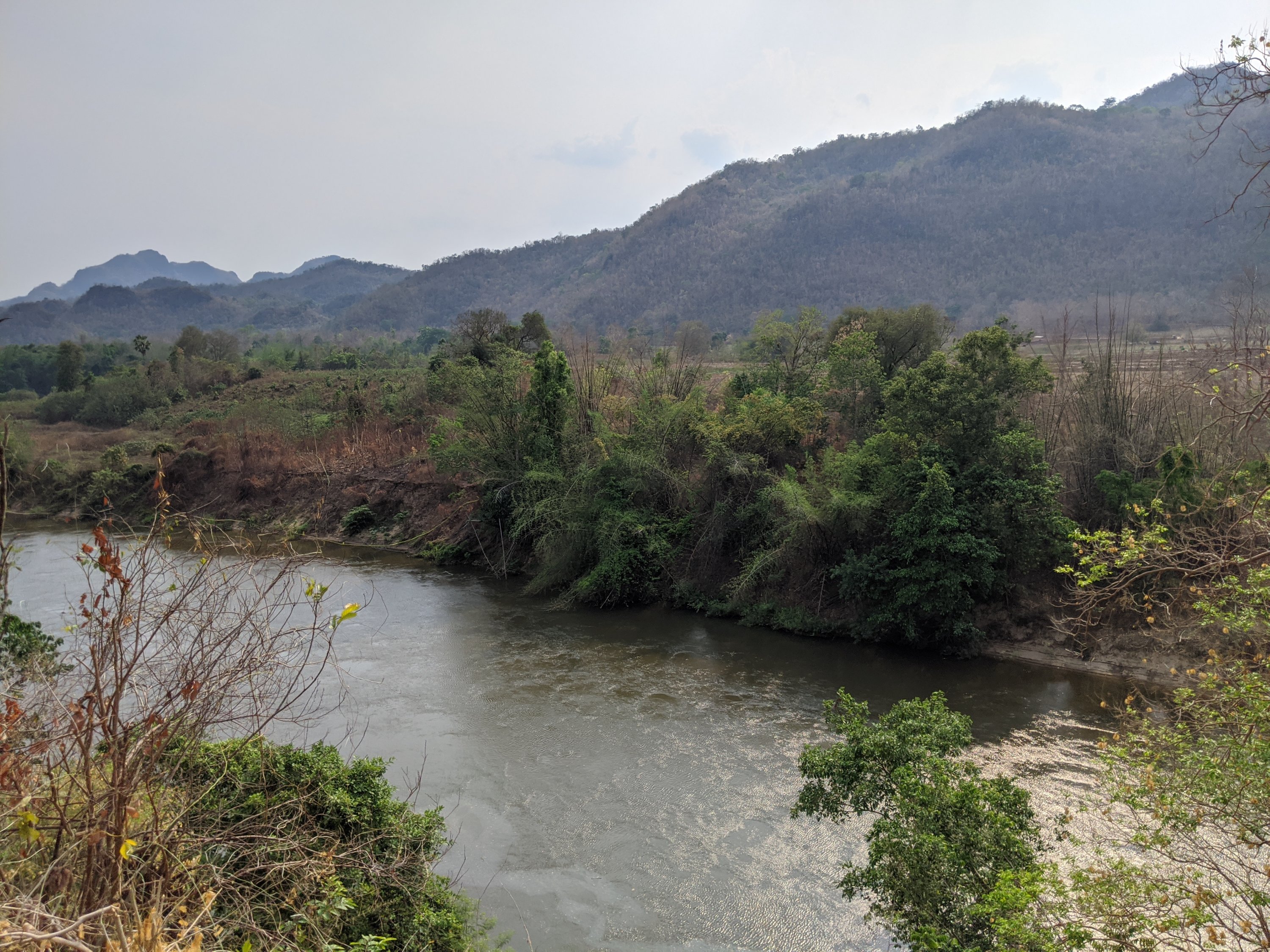
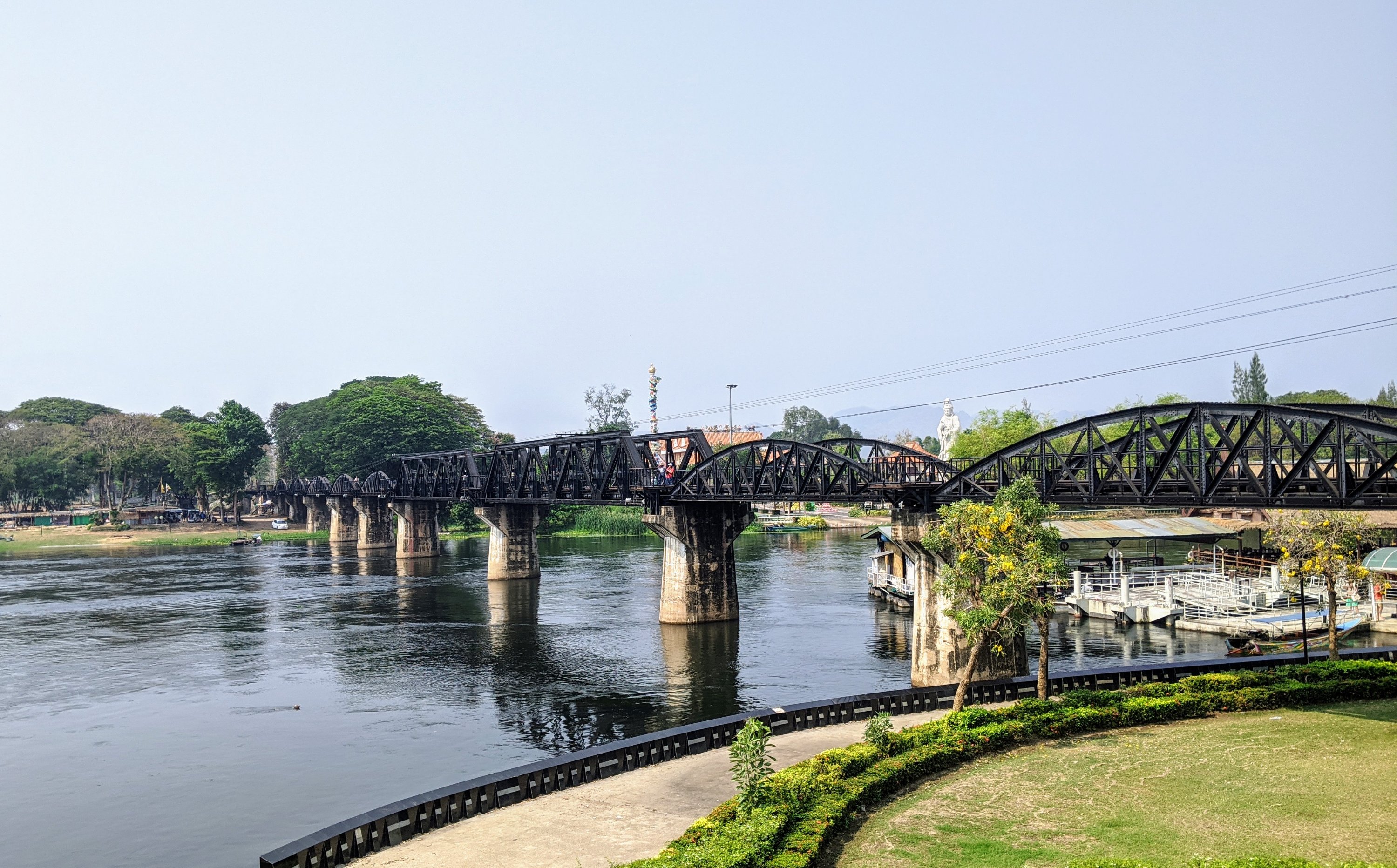
Being interested in history and being ‘inspired’ by ‘The Railway Man’ (based on the true story of Eric Lomax, British Officer), we went to see the infamous Bridge over the River Kwai and the site where PoW had to cut through the mountains to build the Burma-Thai railway line which enabled the Japanese to transport supplies into Burma to support the war against the British
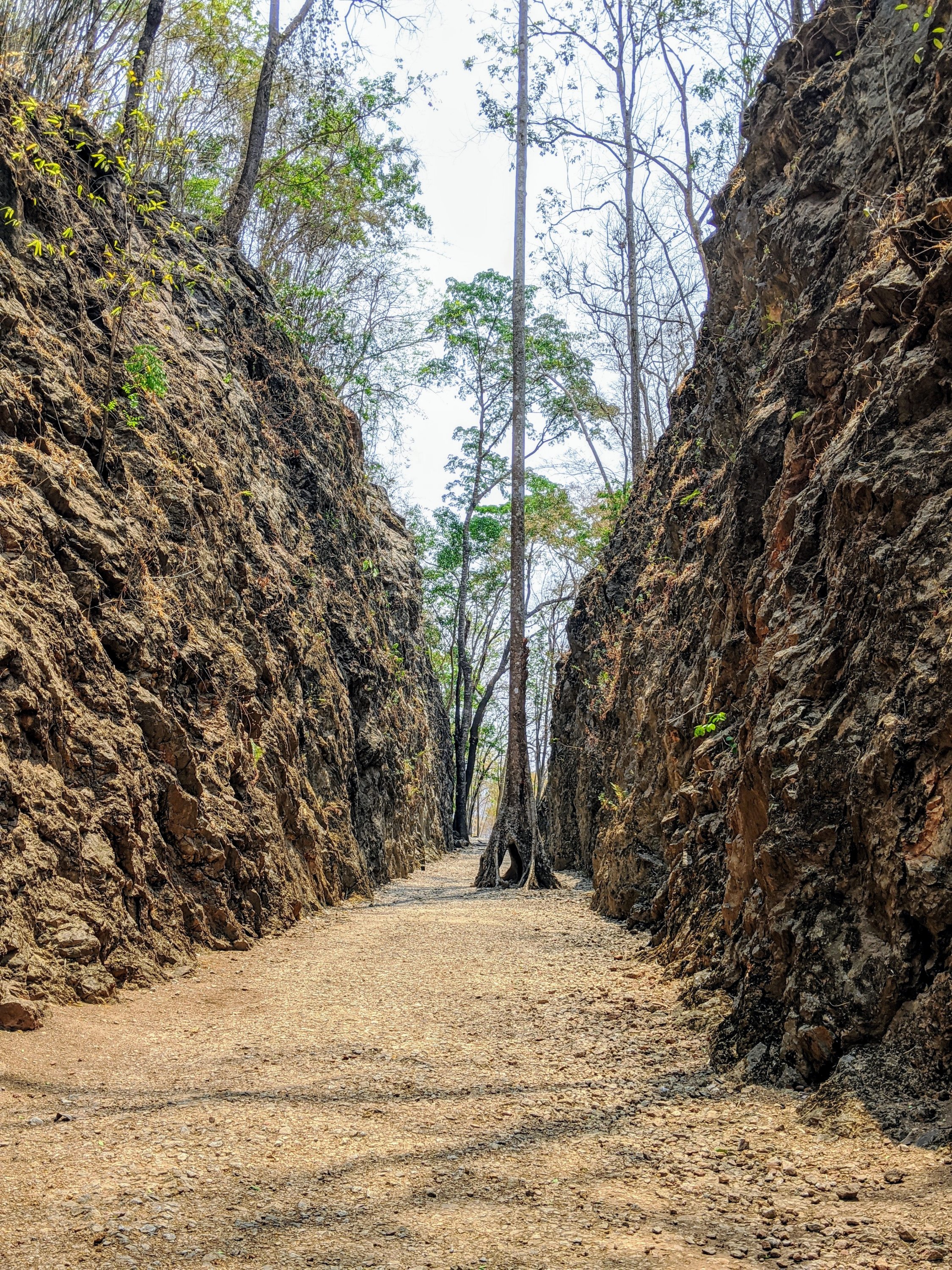
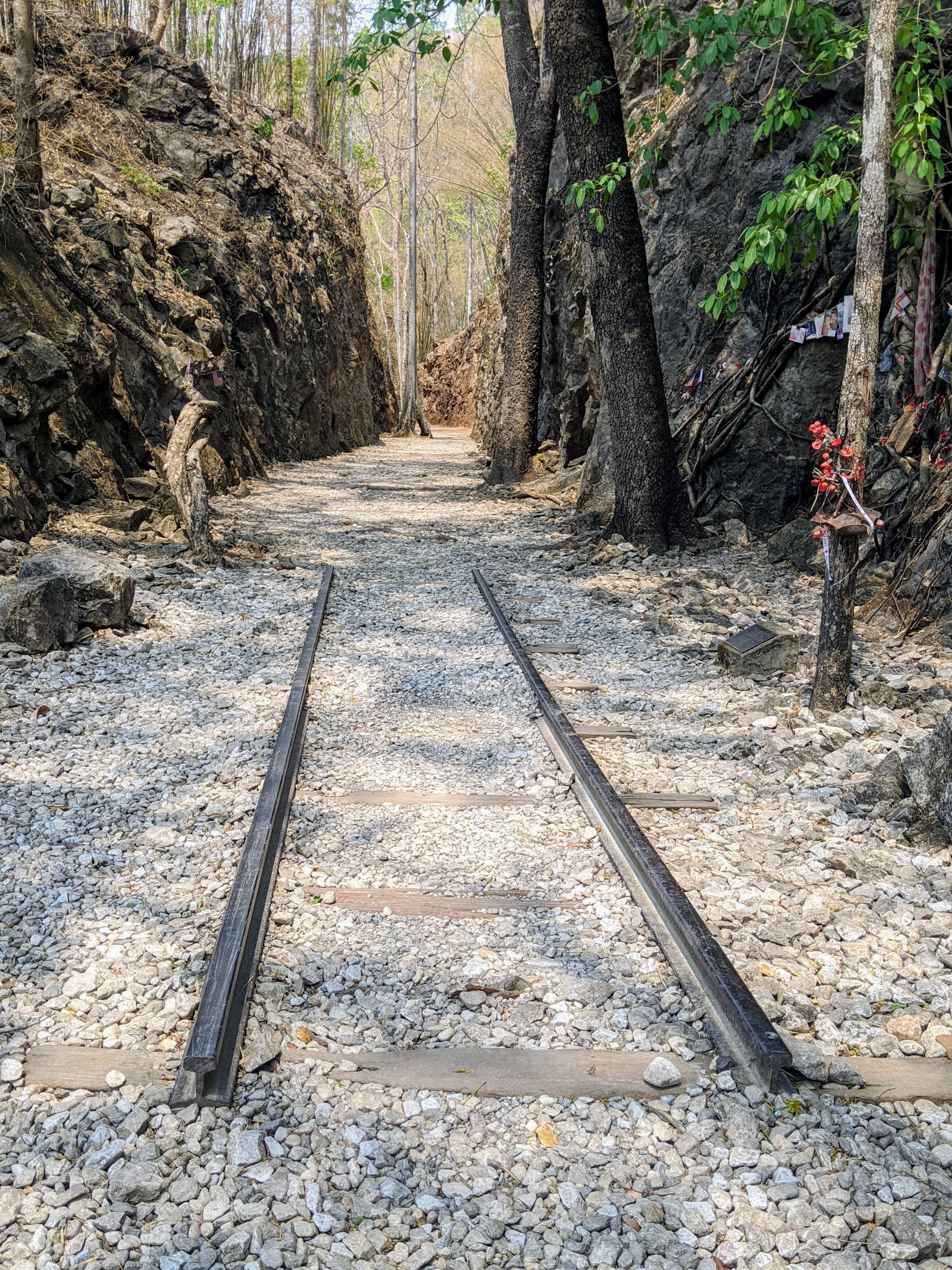
Hellfire Pass – is just a few hundred metres long but is emblematic of the brutality and starvation suffered by all who worked on the 415 kilometre Burma-Thailand Railway.
Cuttings were cut through solid rock by filling manually drilled holes up to a metre deep with explosives. After the blast prisoners cleared the debris by hand. The cutting at Hellfire Pass is about 8m deep.
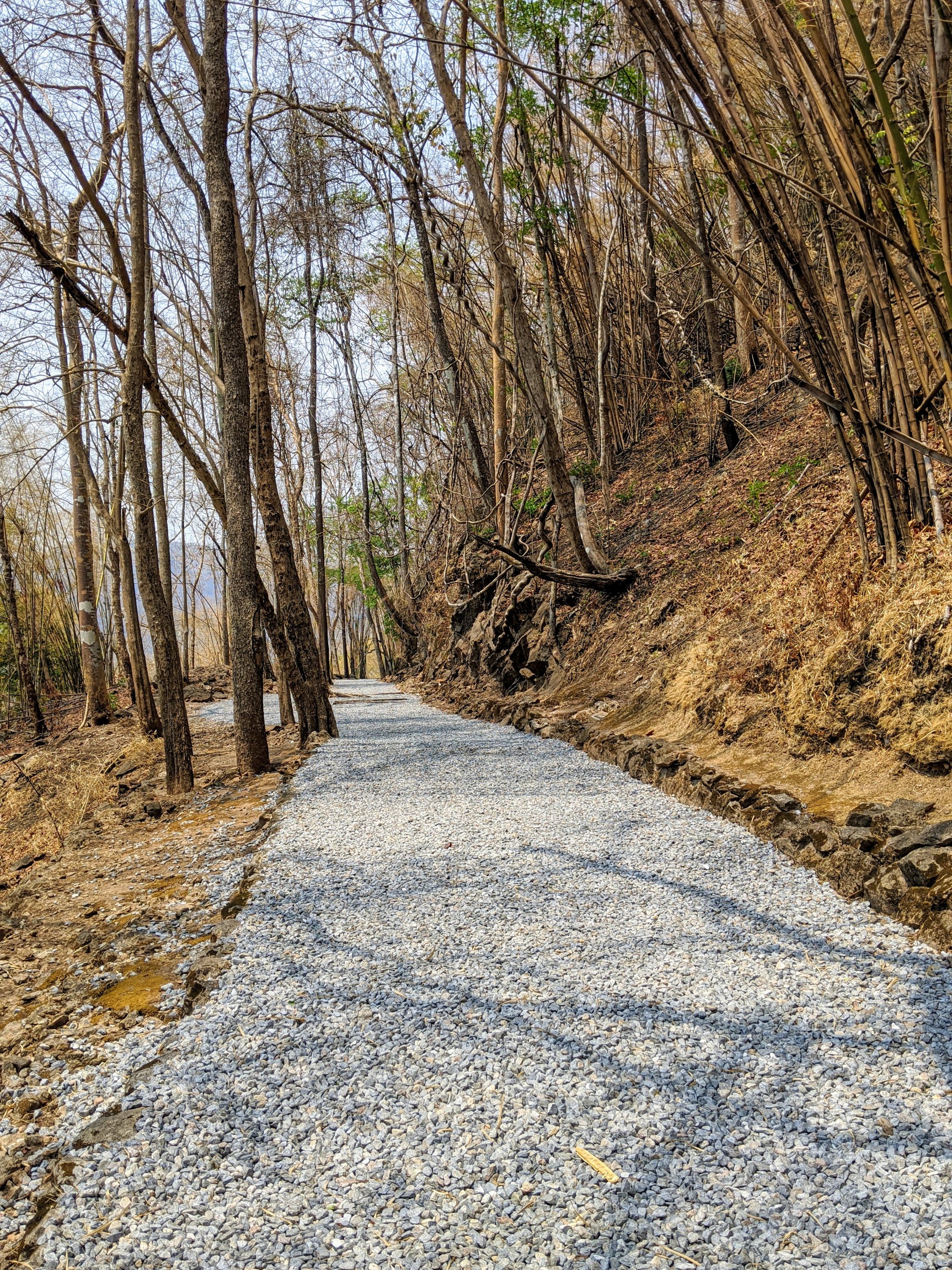
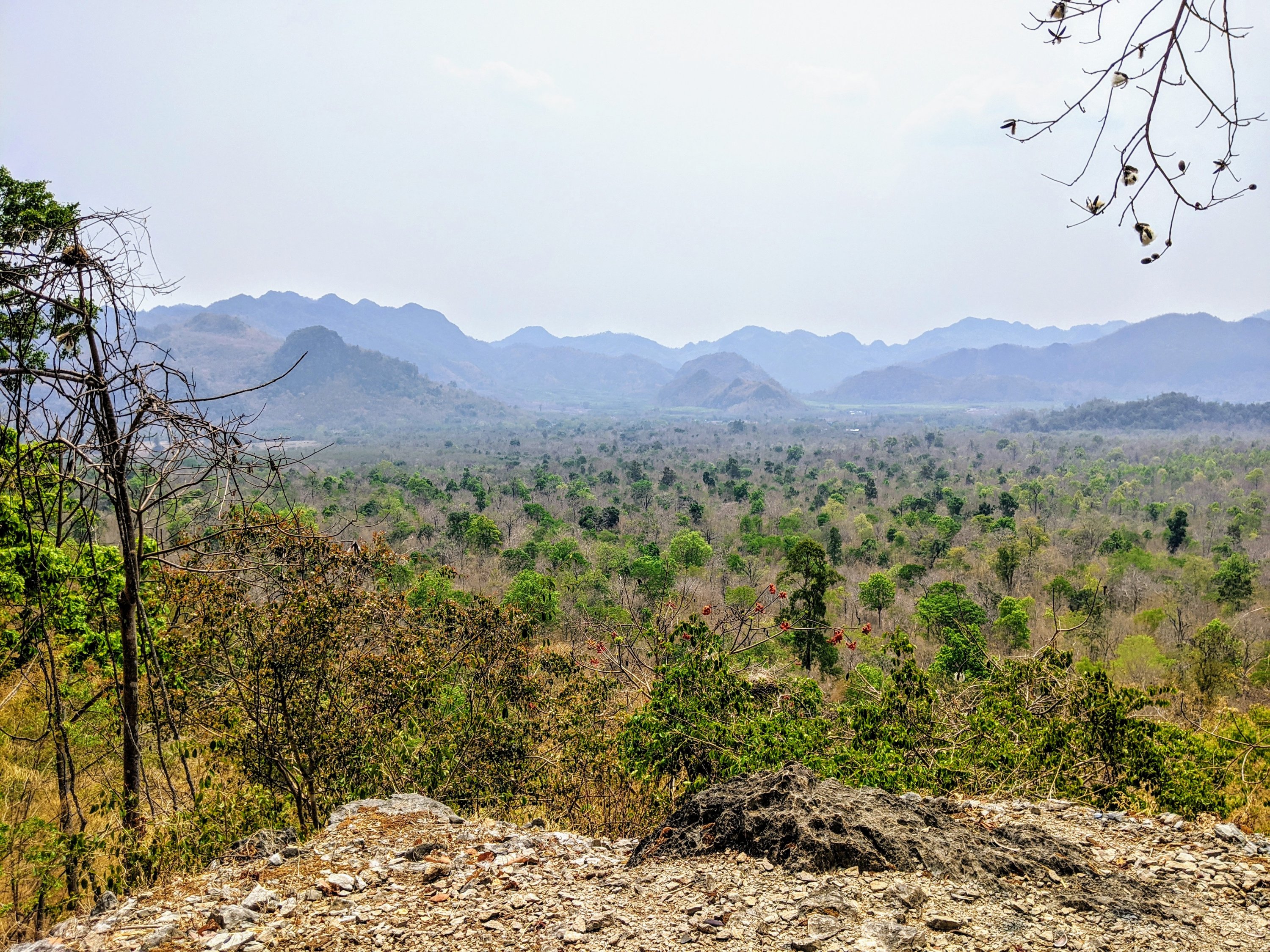
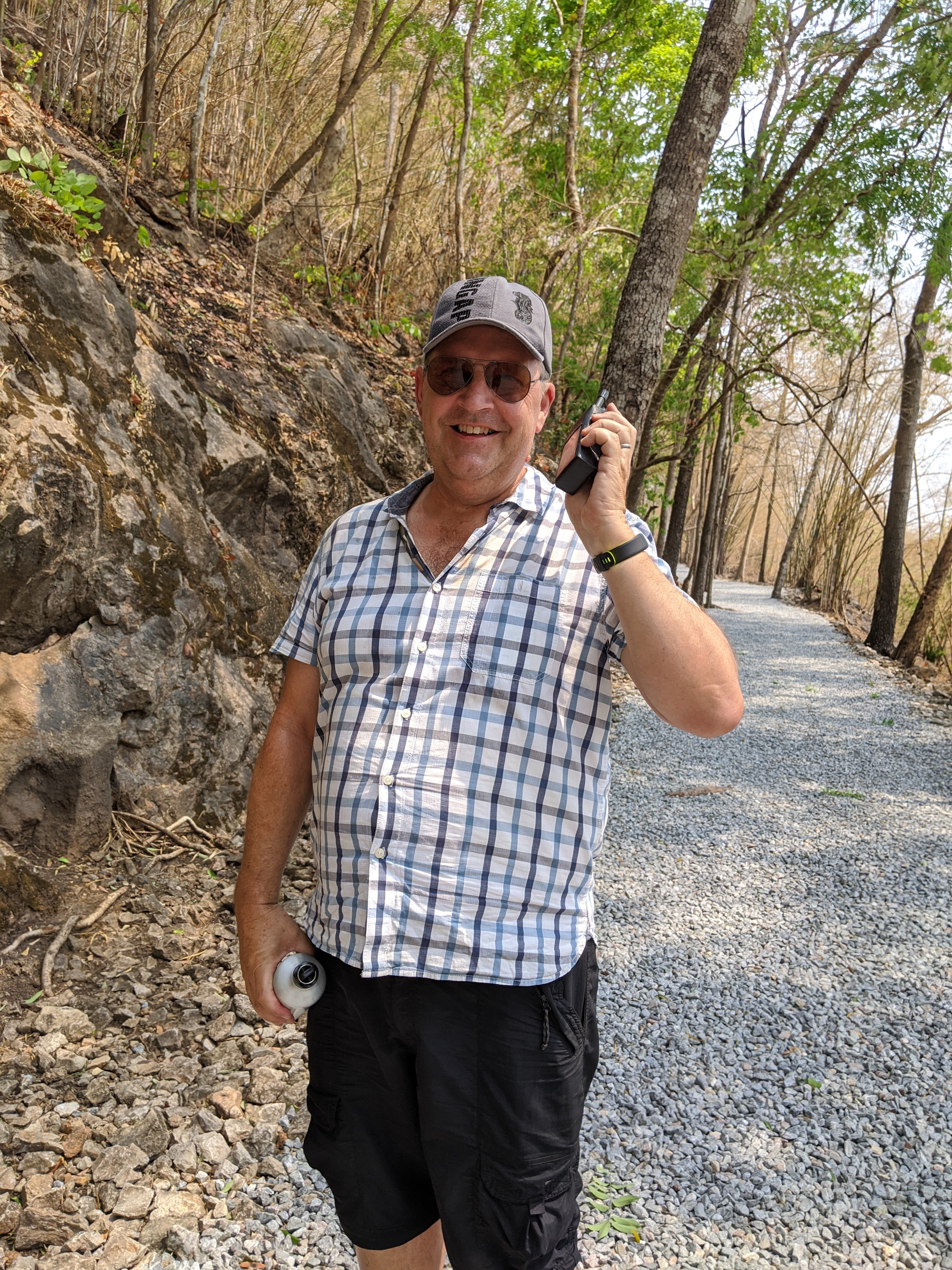
We felt the heat while walking the Hellfire Pass and a further section of the rail track. For safety reasons, you even get a walkie-talkie and the centre checks up on you after an hour.
It’s nothing compared to some accounts of the PoWs … ‘arriving in April 1943 we were greeted by enormous heat and a dust bowl of earth’
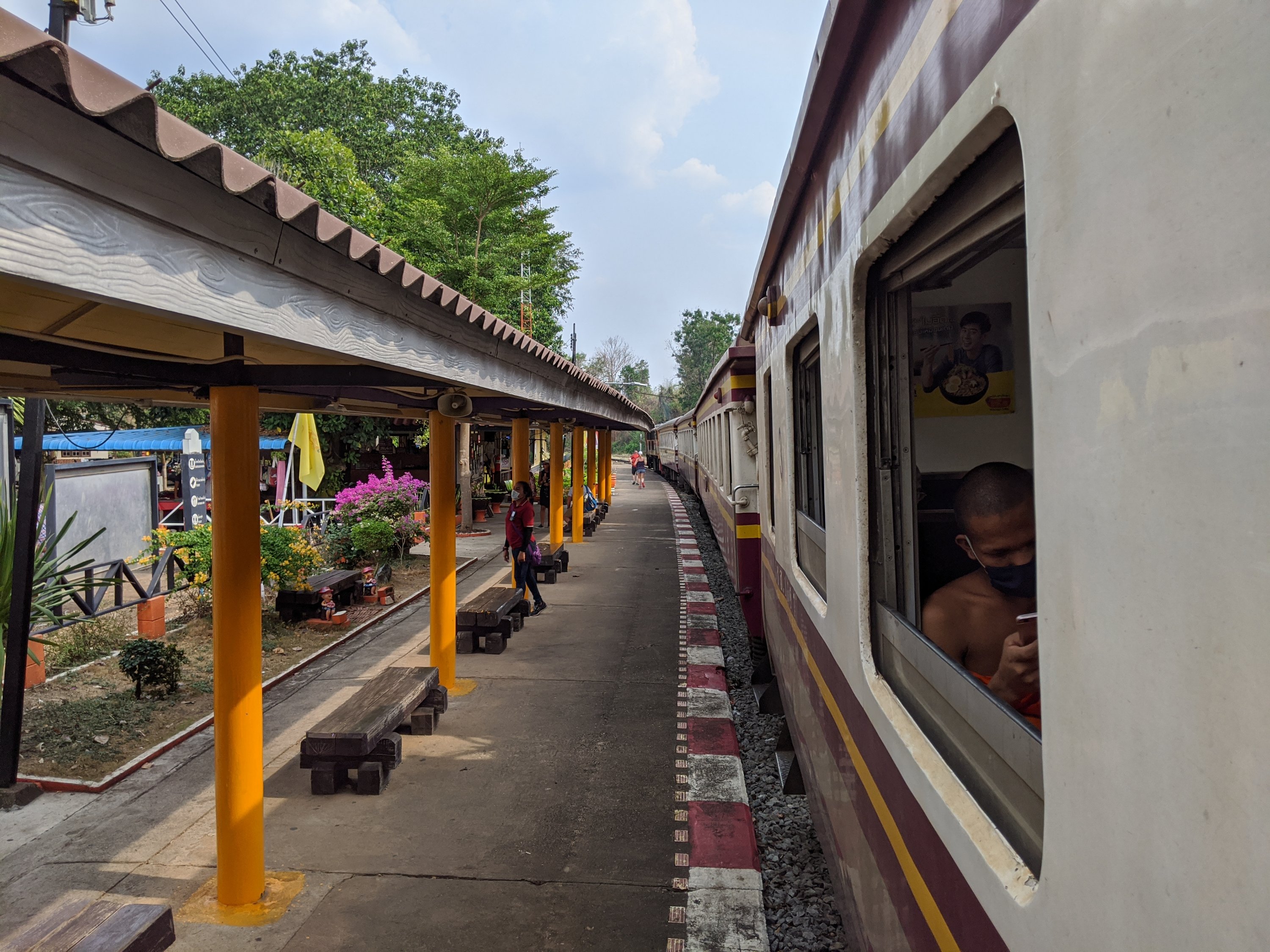
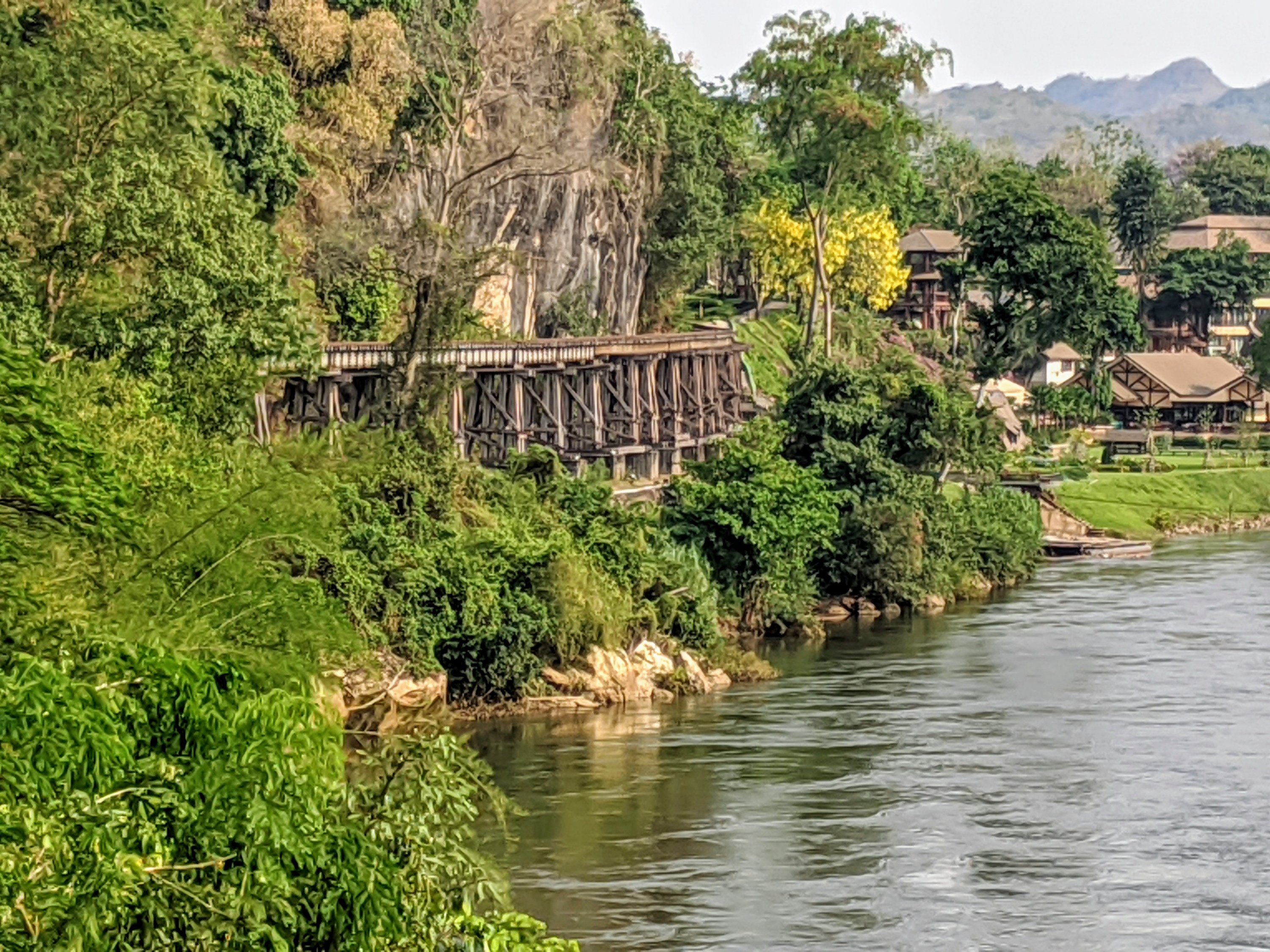
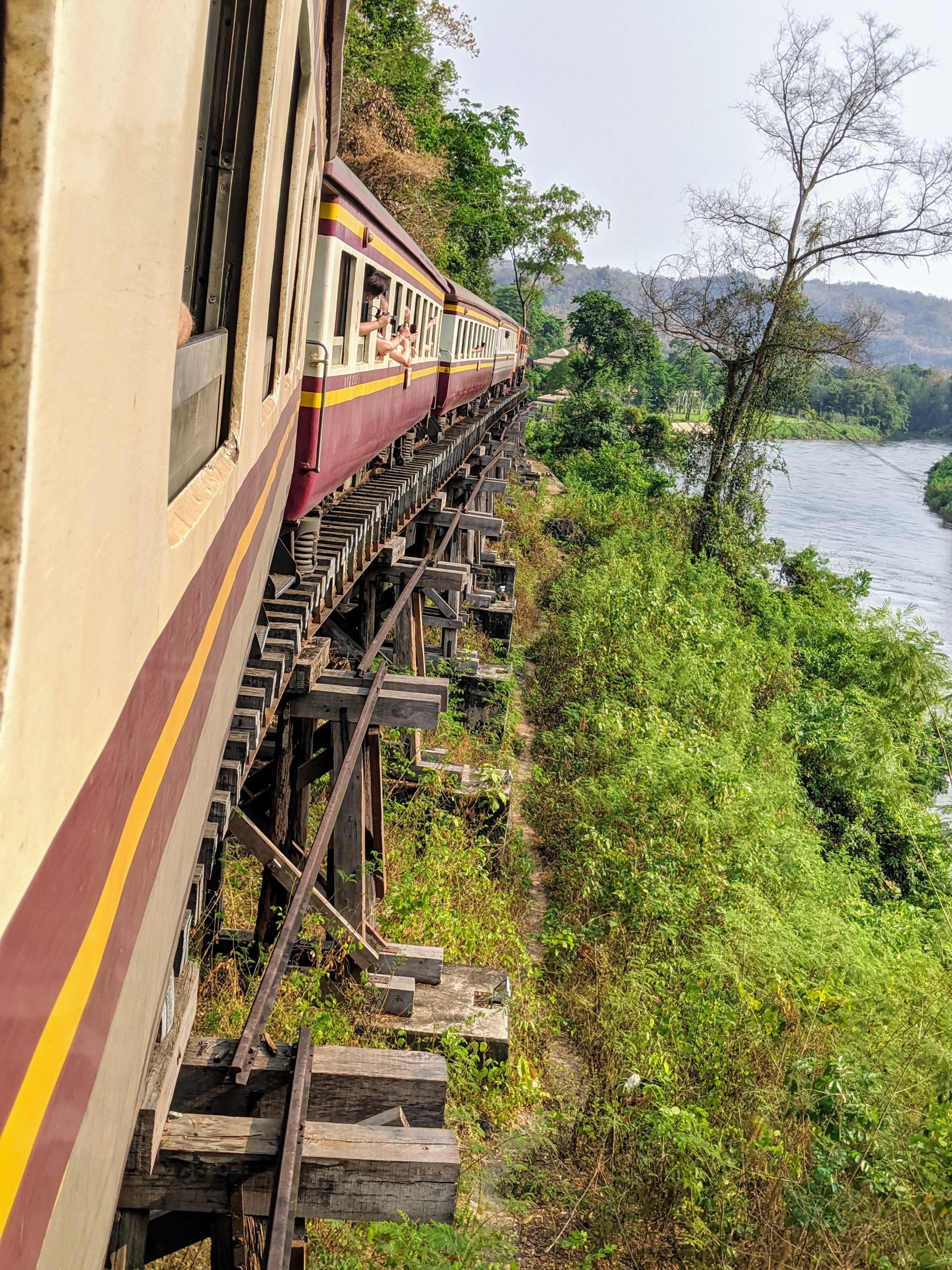
Riding the train back from Nam Tok to Kanchanaburi, we travelled along the Burma-Thai railway line and over a wooden viaduct built during the war at Wang Pho which is still in service.
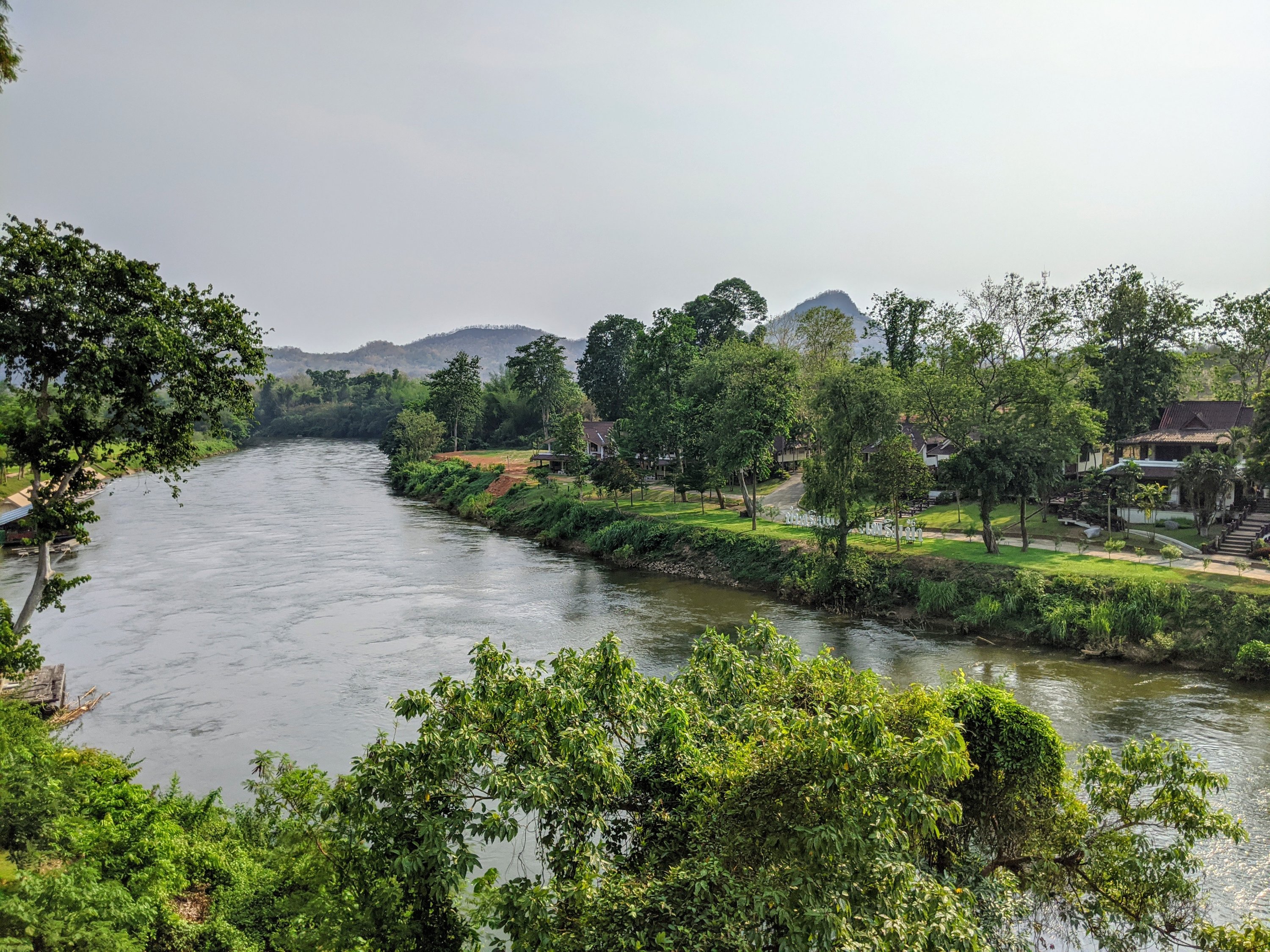
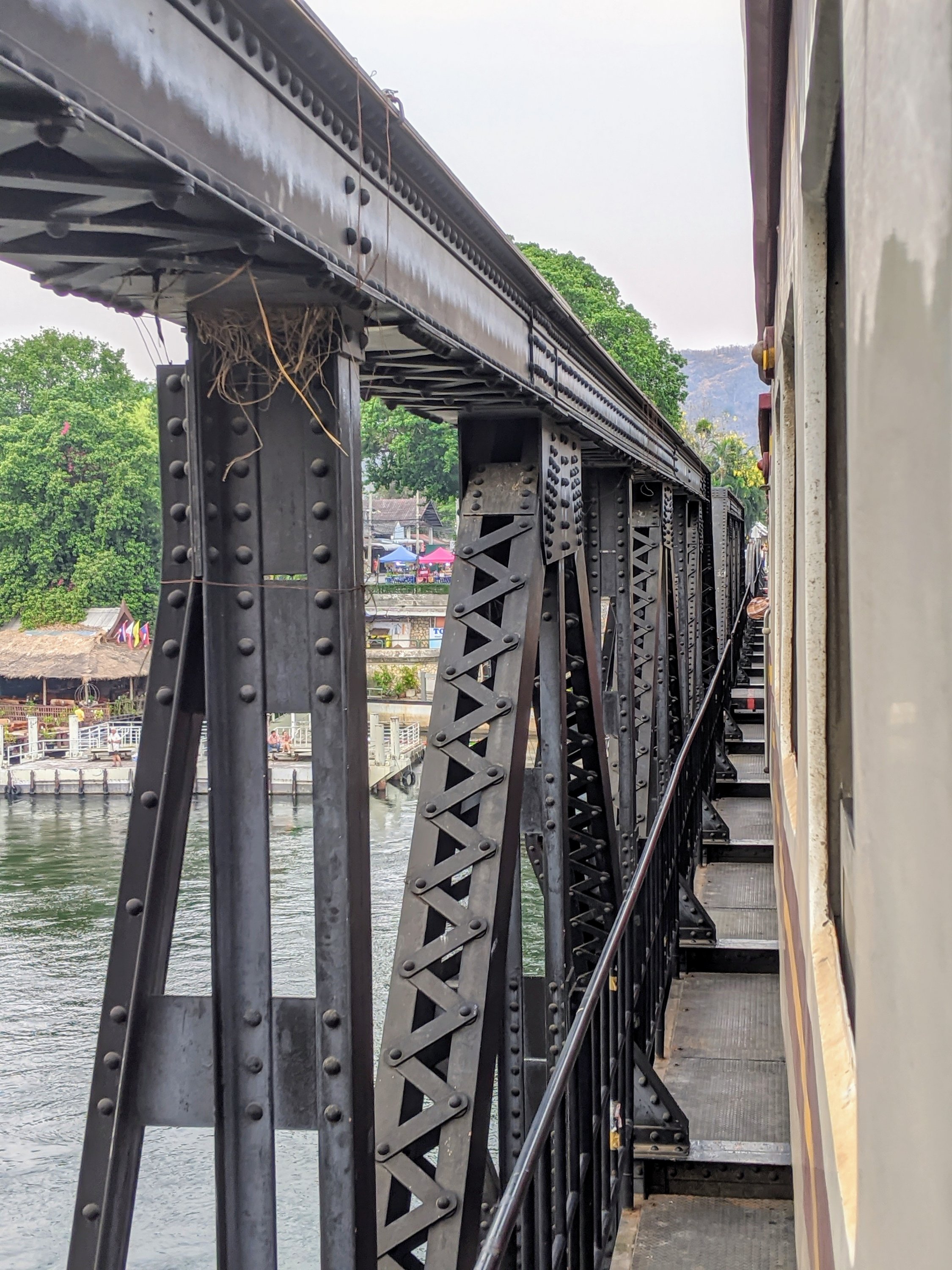
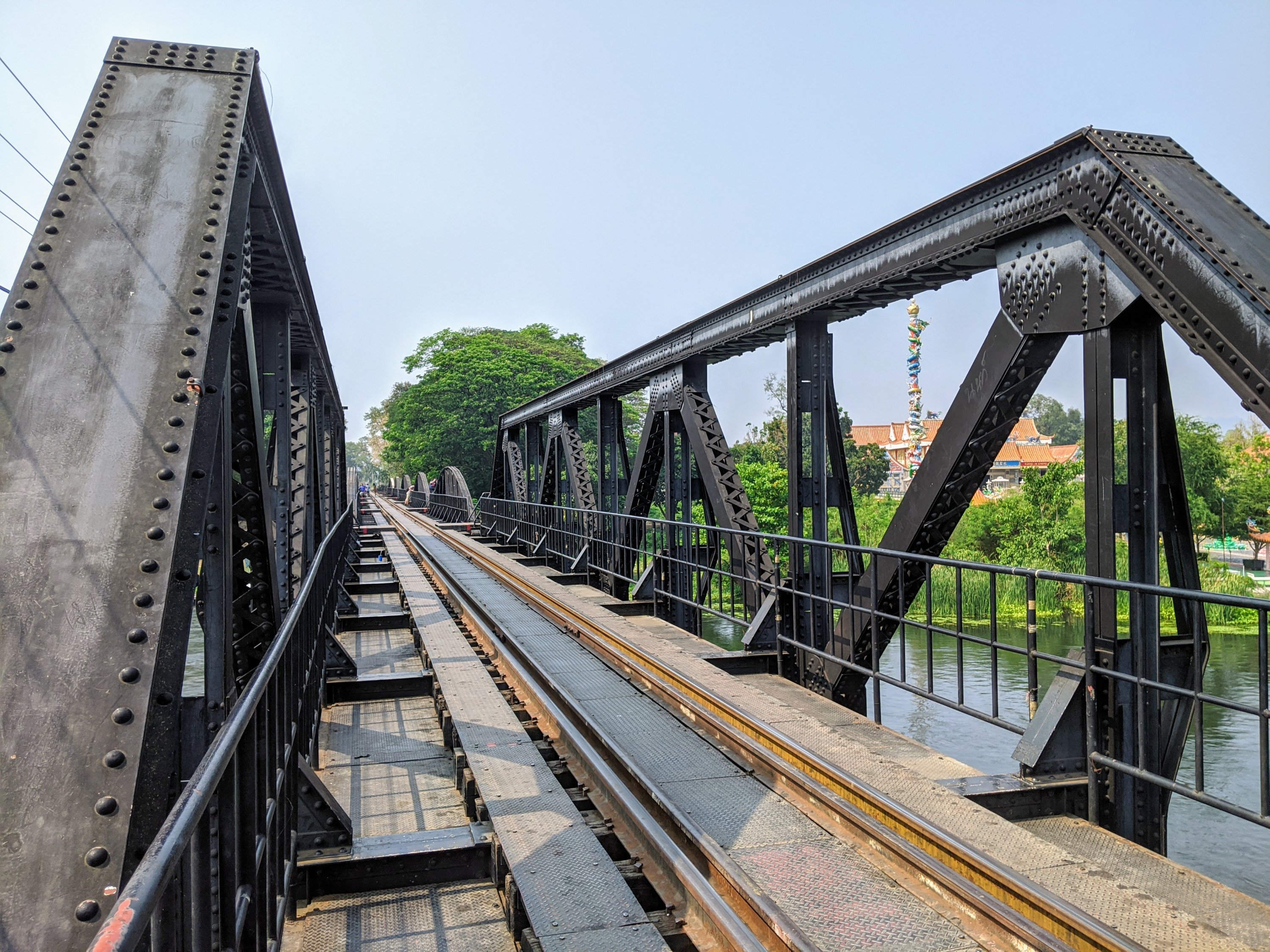
Arriving at Kanchanaburi, we went over the famous bridge – or better the rebuilt one.
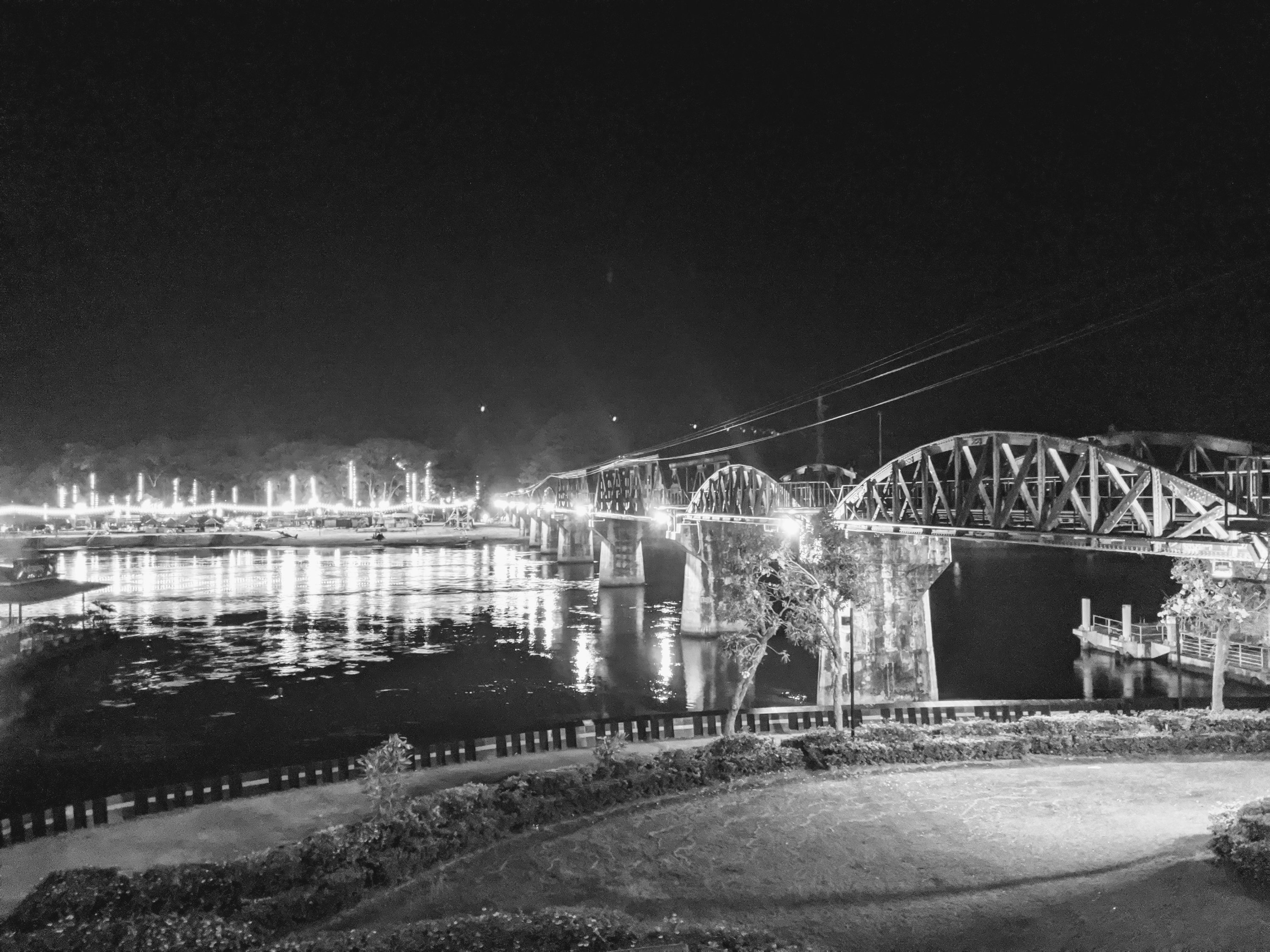
The Bridge over the River Kwai. In fact there were two – a metal one and a wooden one which the Japanese used during the construction phase of the railway to transport supplies. Both bridges were destroyed by Allied bombing in 1945. The metal bridge standing today is a reconstruction.
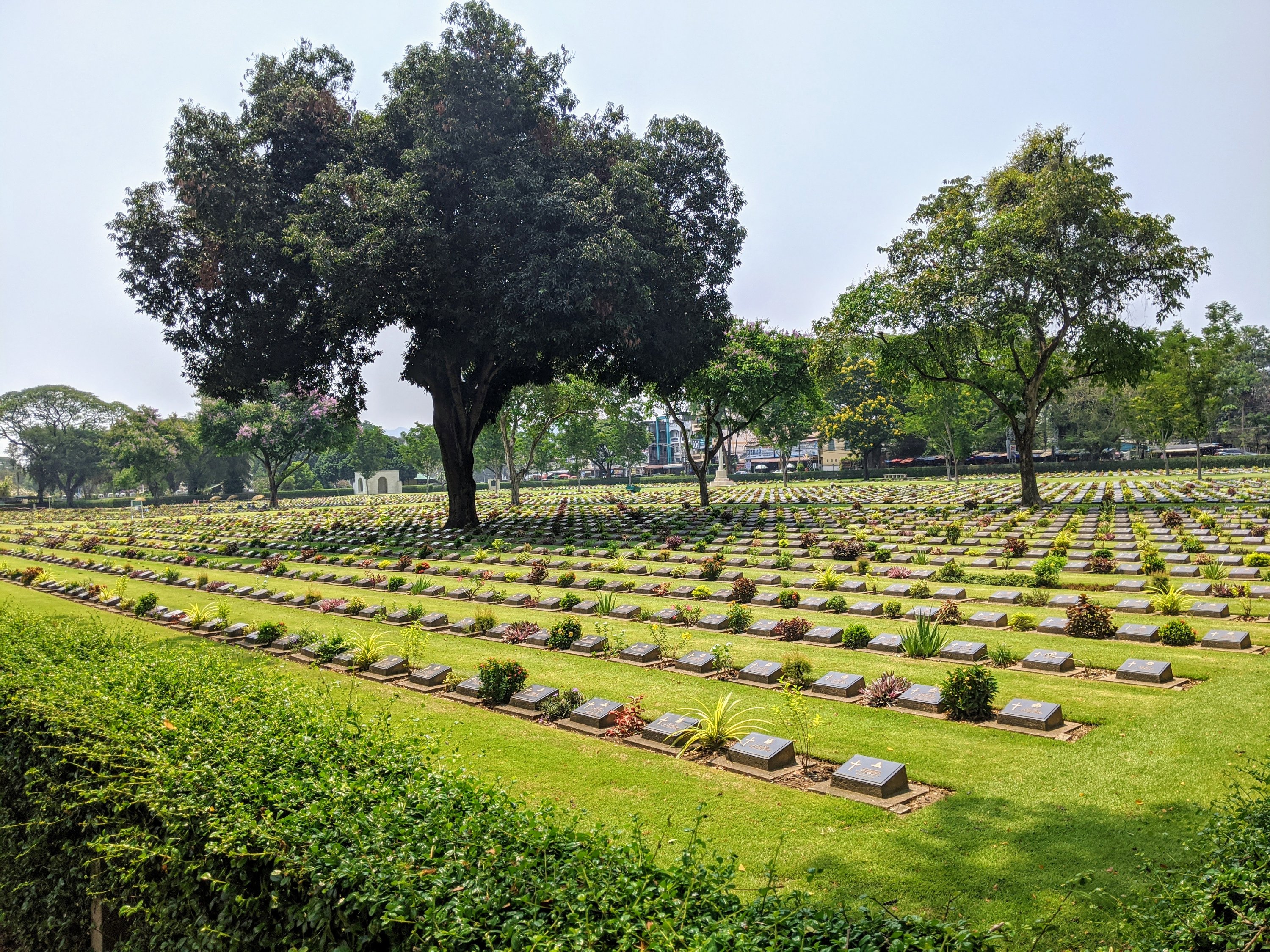
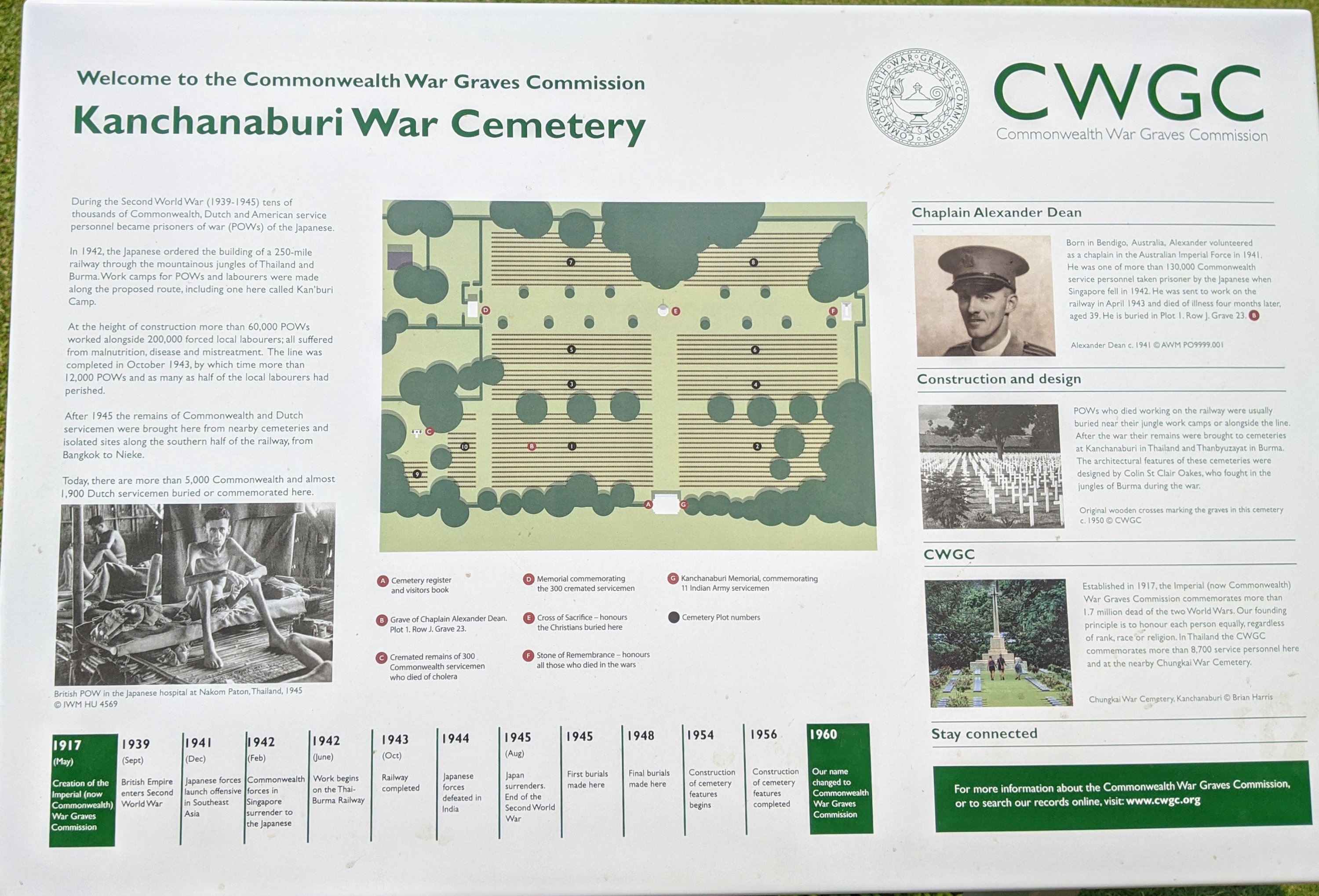
Visiting the War Cemetery and ‘Death Railway Museum’ in Kanchanaburi is a very sombre experience driving home the atrocities inflicted by the Japanese army and the stories of so many men and women who lost their lives.
At the end of the day, the time in Kanchanaburi and beyond leaves a lasting impression and a long journey back on the train … not faster, quieter nor cleaner.
Before travelling further south, we wanted to visit the locations of the infamous Burma-Thai Railway.
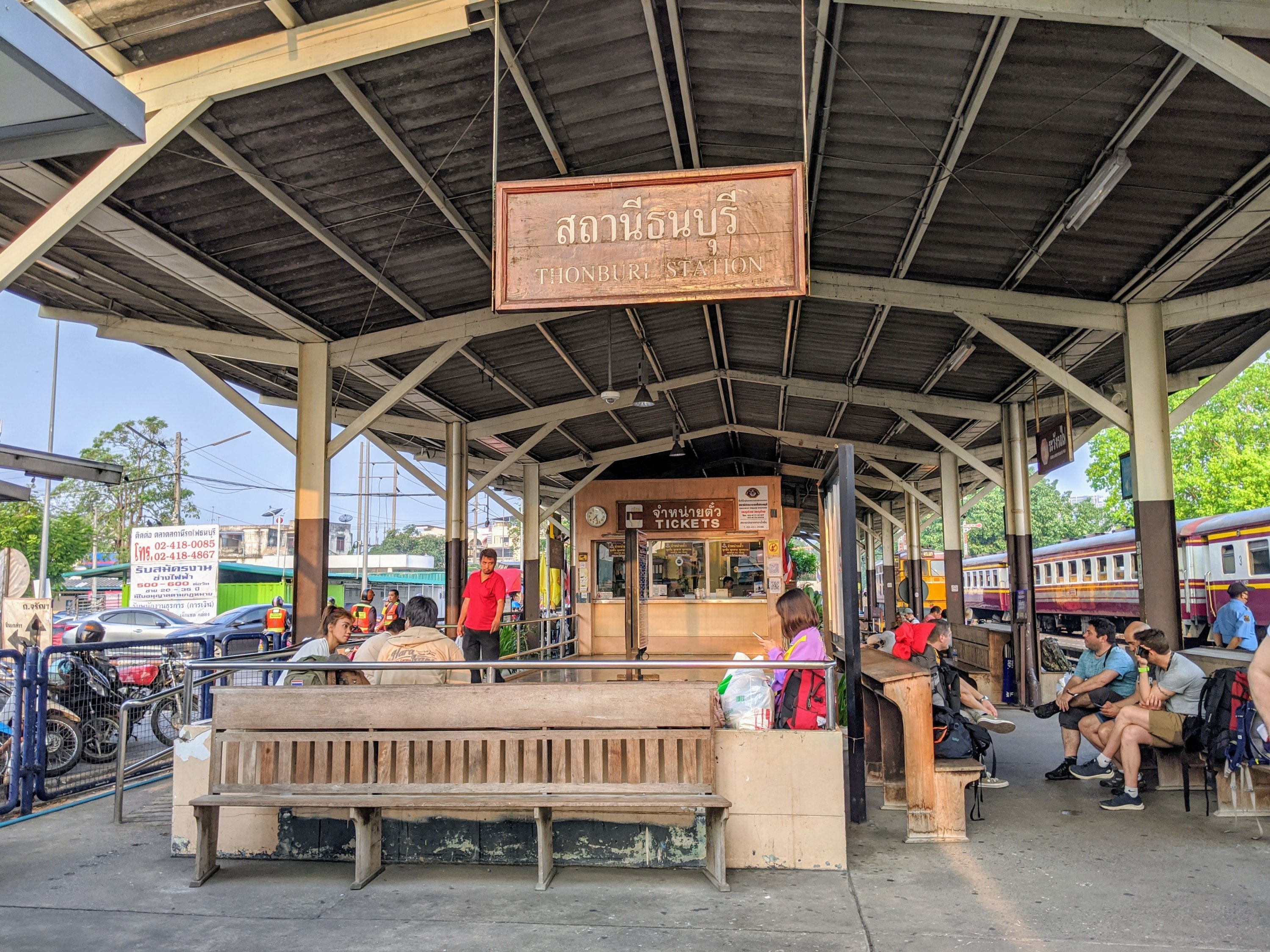
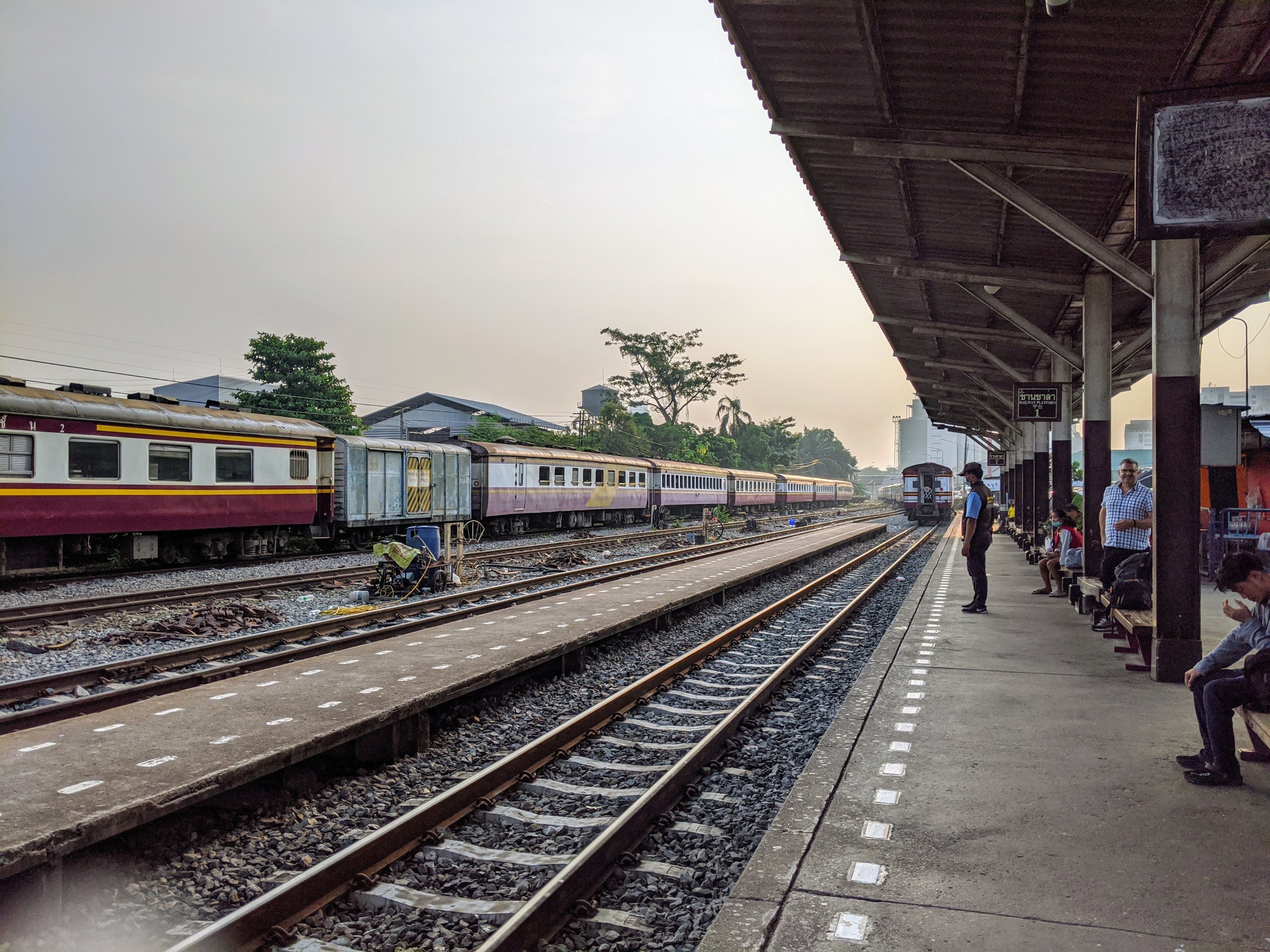
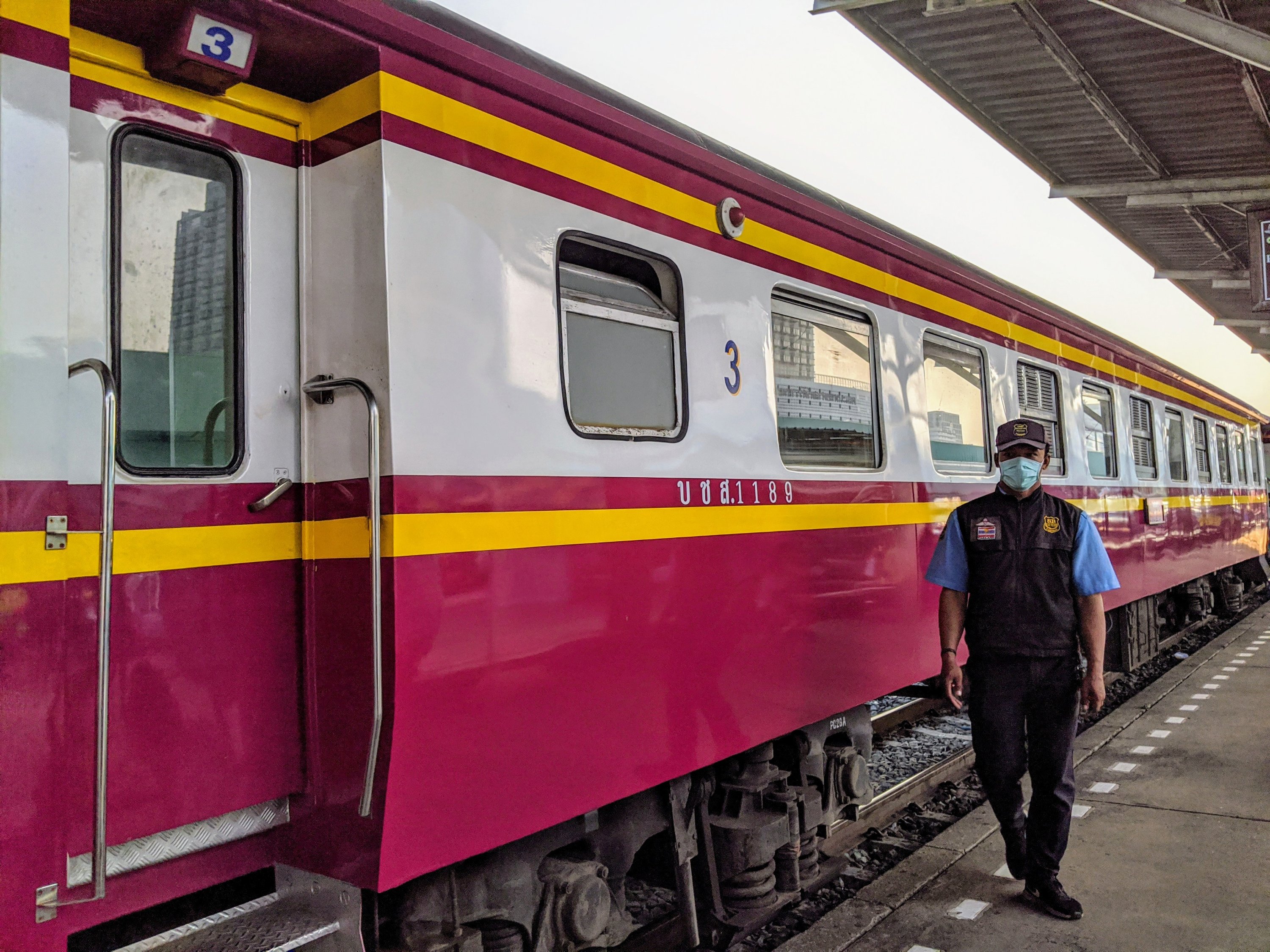
Taking the train from Bangkok-Thonburi to Kanchanaburi is an experience in itself … in more ways than one
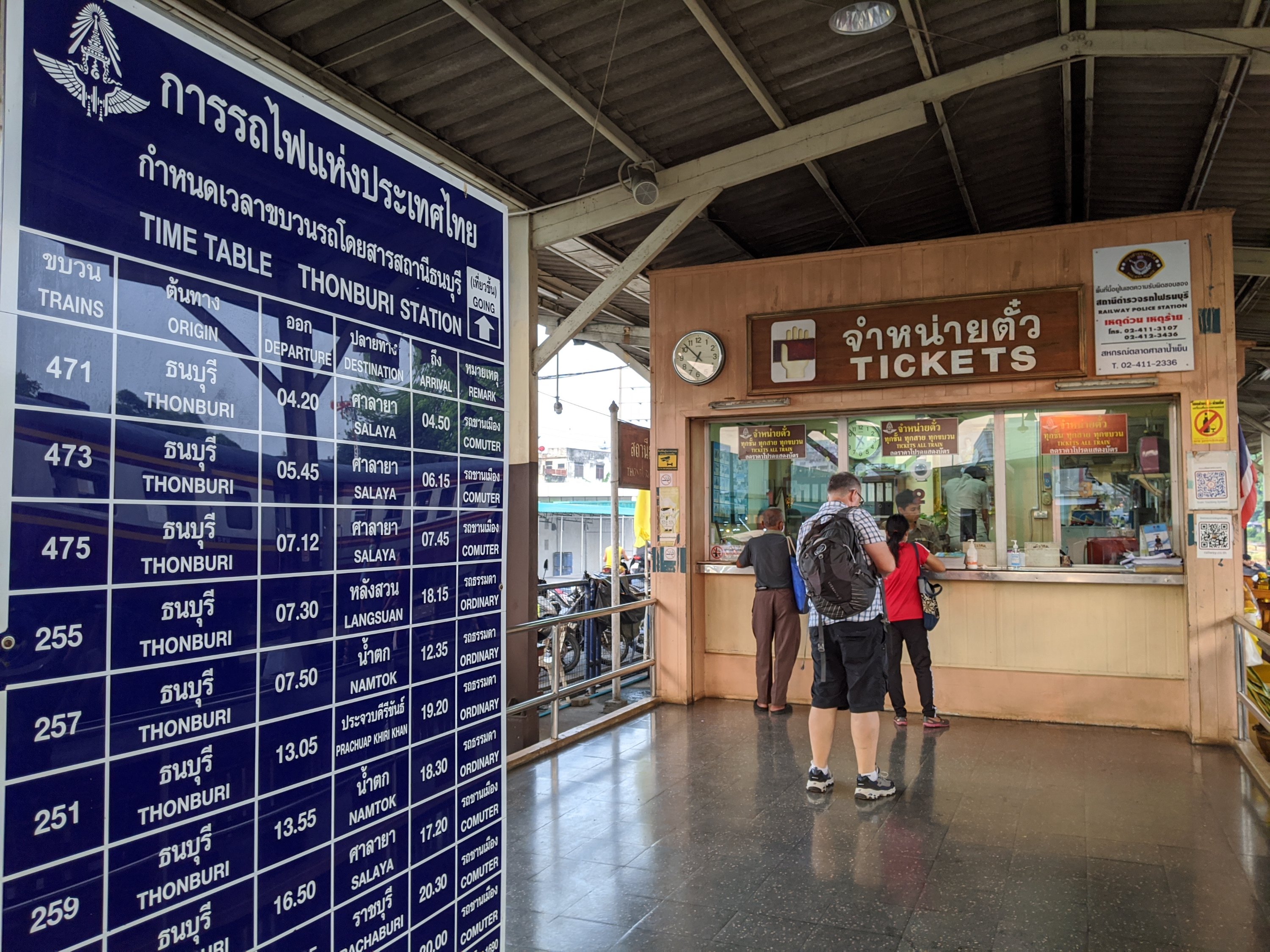
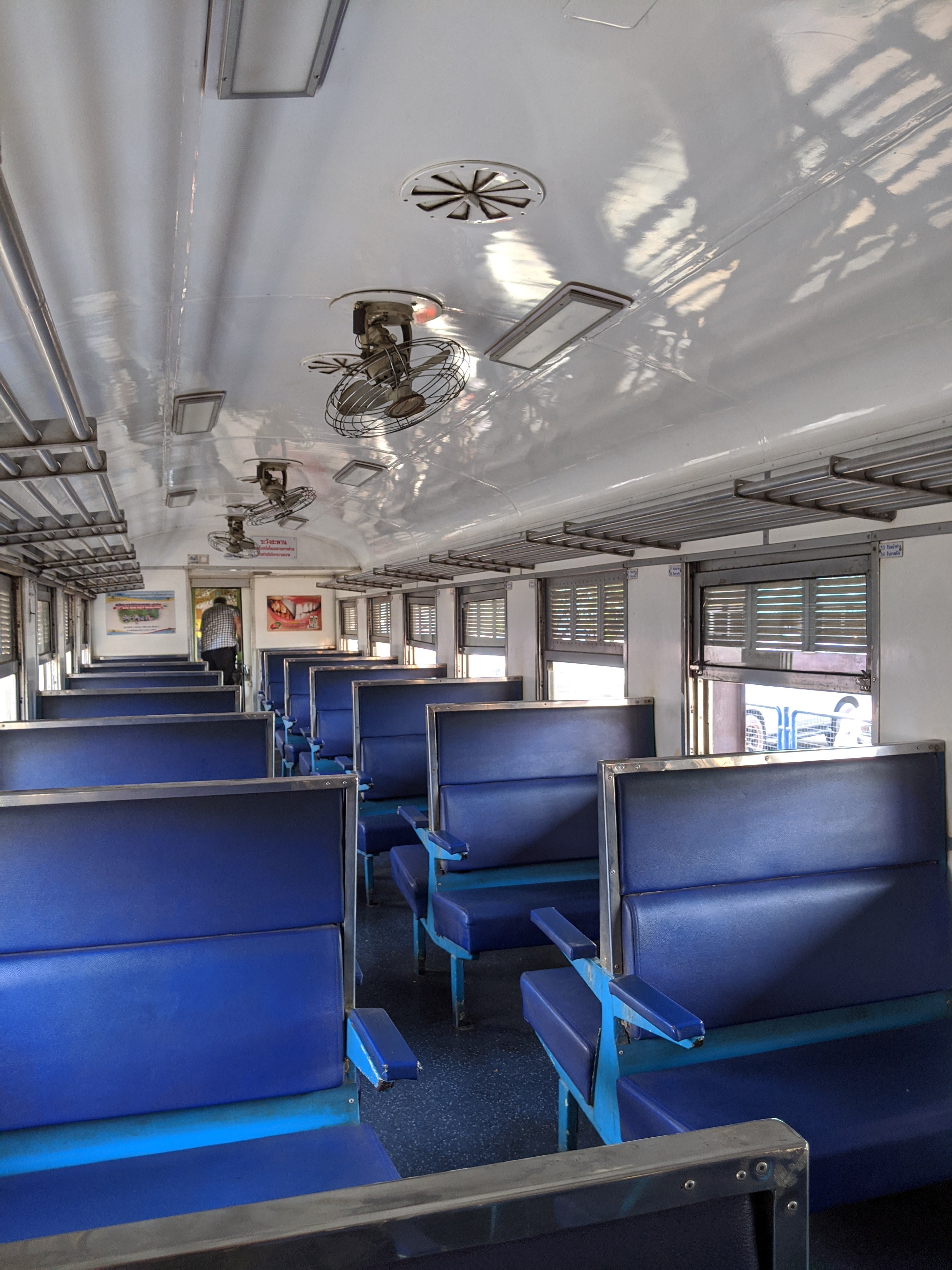
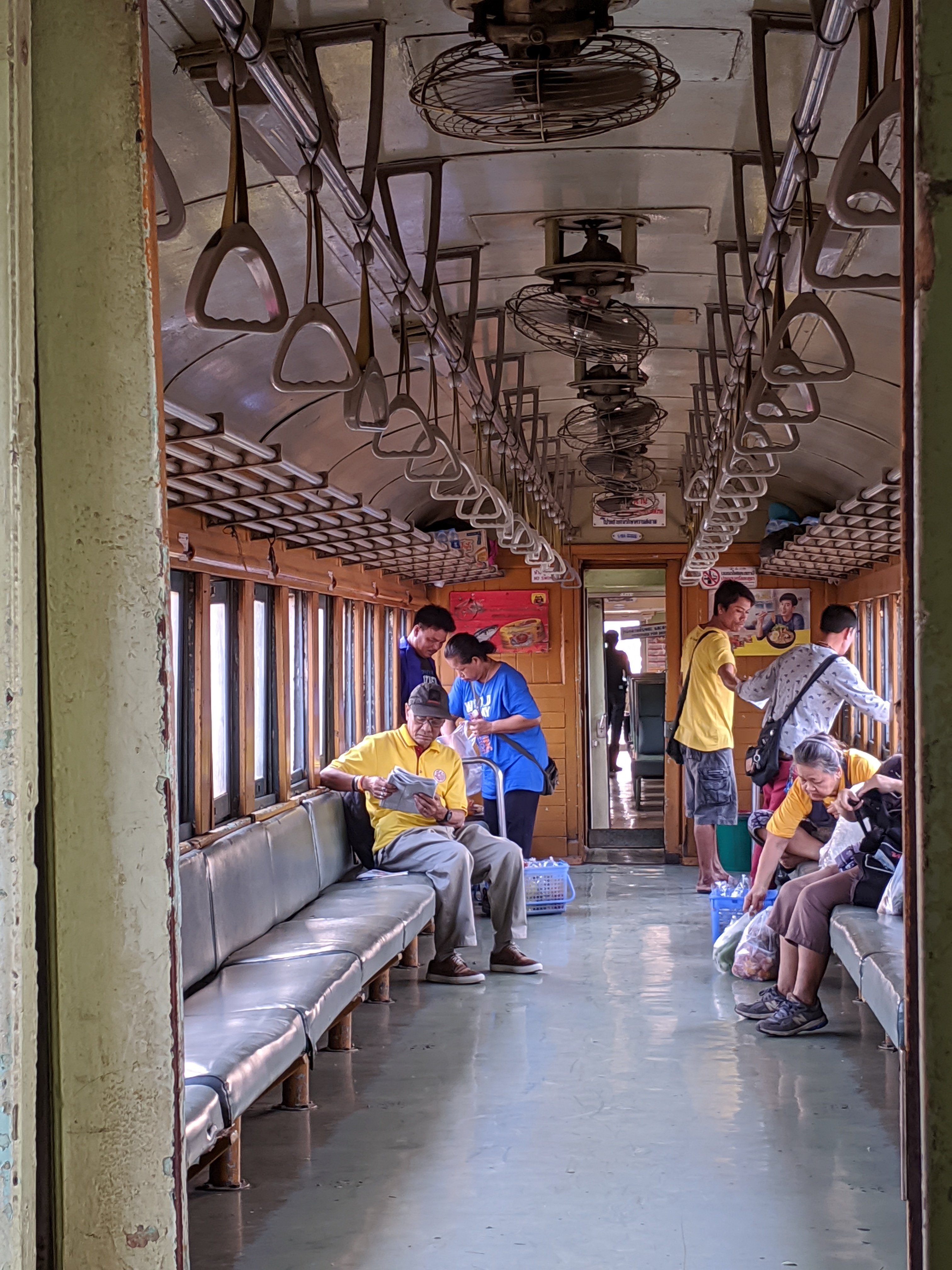
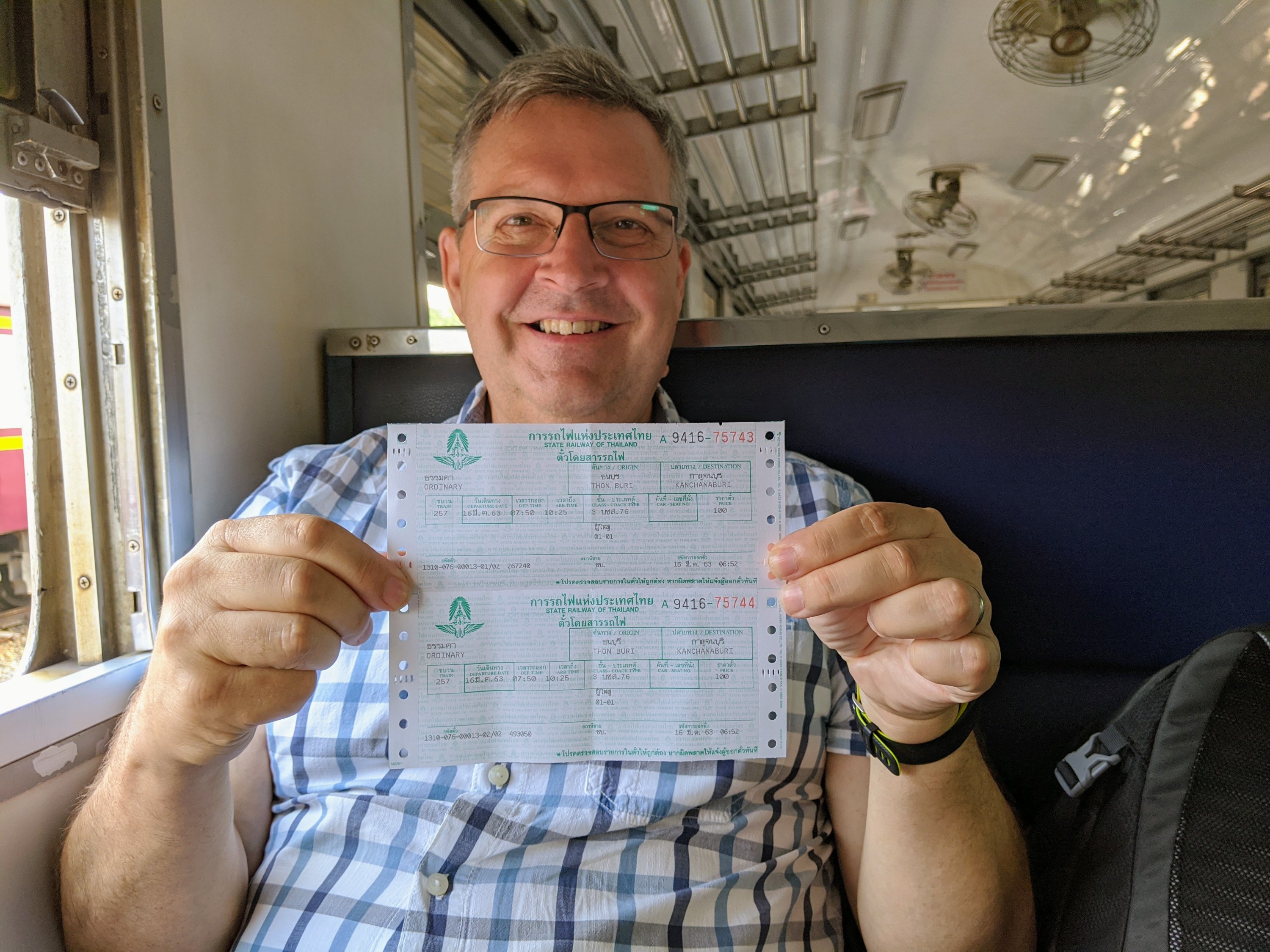
Thonburi is a very small train station with only a handful of trains. 3rd class trains only, air con via open windows and ventilators. Mind you, tickets for 125 km train journey are only £2.50 each.
Time travel – ticket issue date 16th March 2563 BE. Buddhist calendar is 543 years ahead of the Gregorian calendar
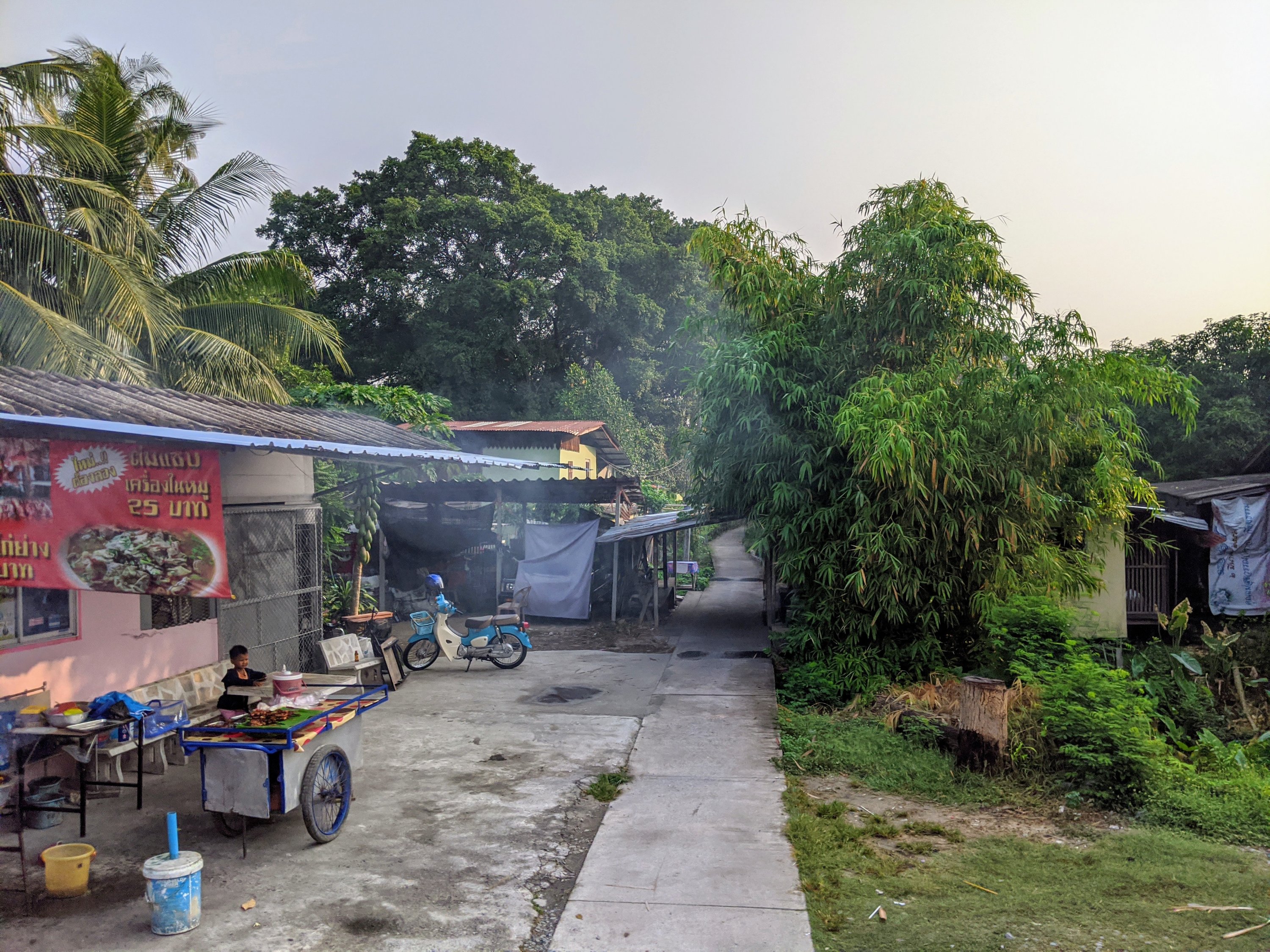
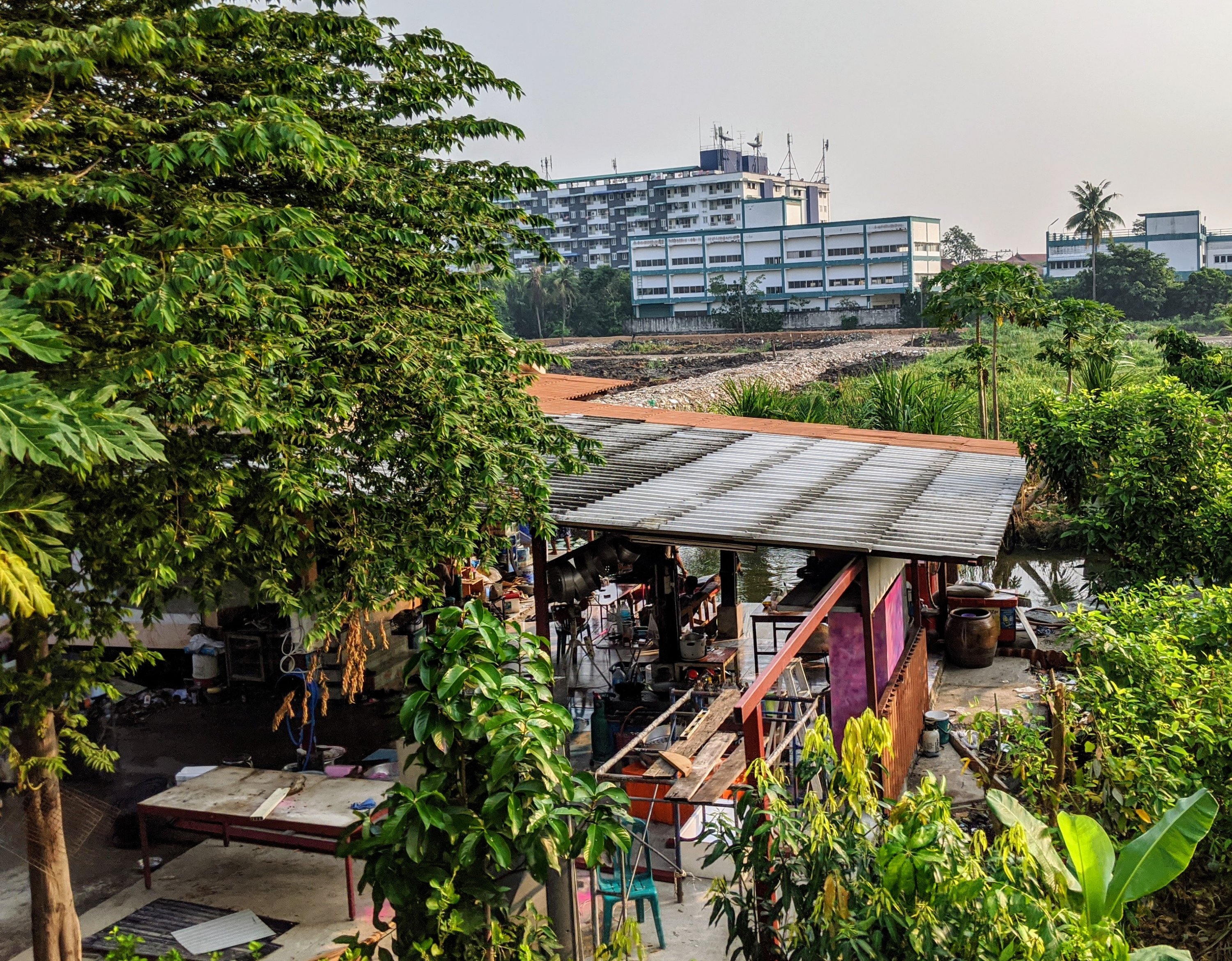
Leaving Bangkok, there are sad sights along the railway track with people living in desperate conditions. Most notably the amount of rubbish everywhere. One would expect the government / authorities to do much more about it
Living next to the railway track is a hard life. Noise, pollution, not to mention the living conditions. And these are not the worst places we have seen.
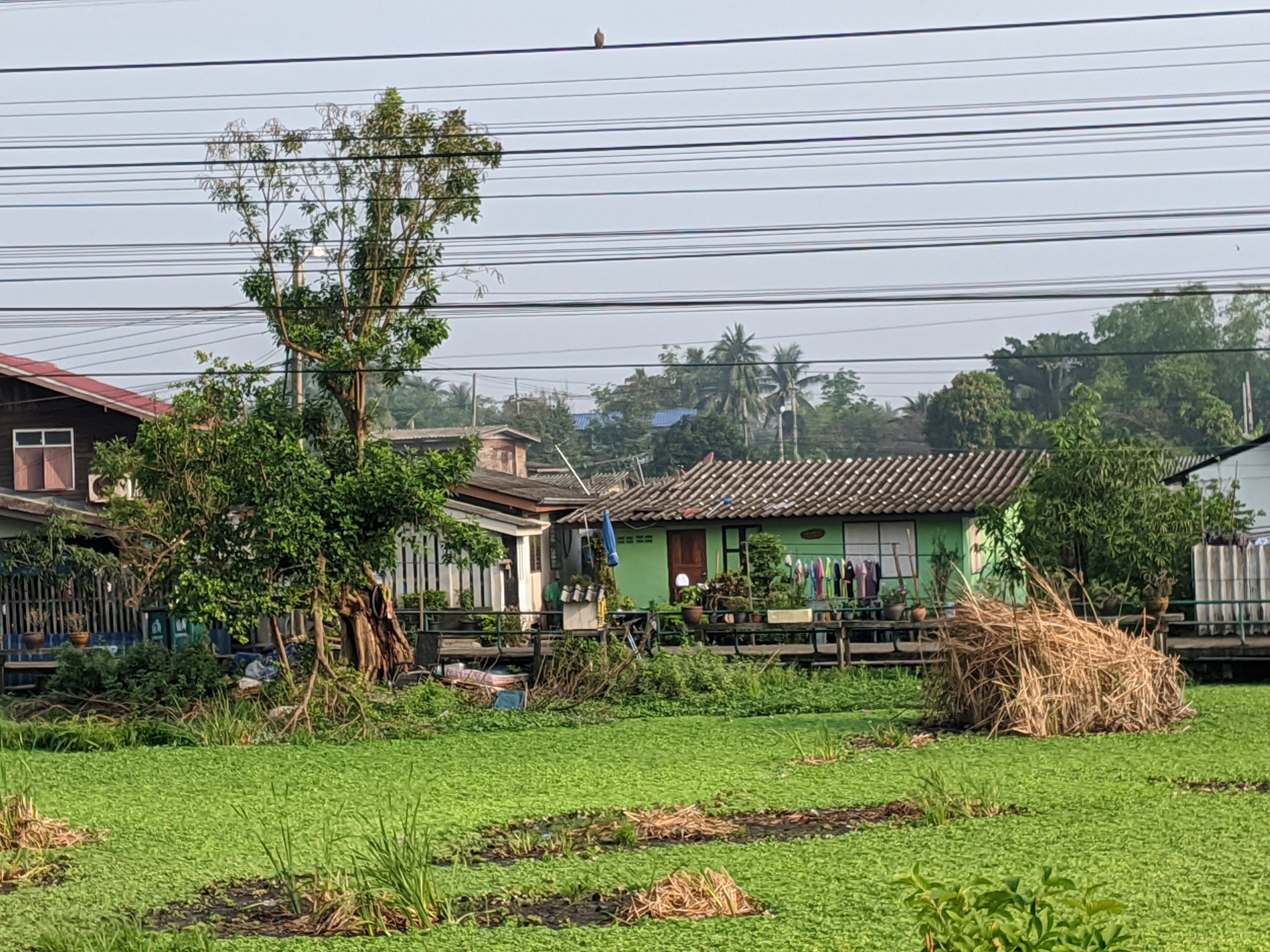
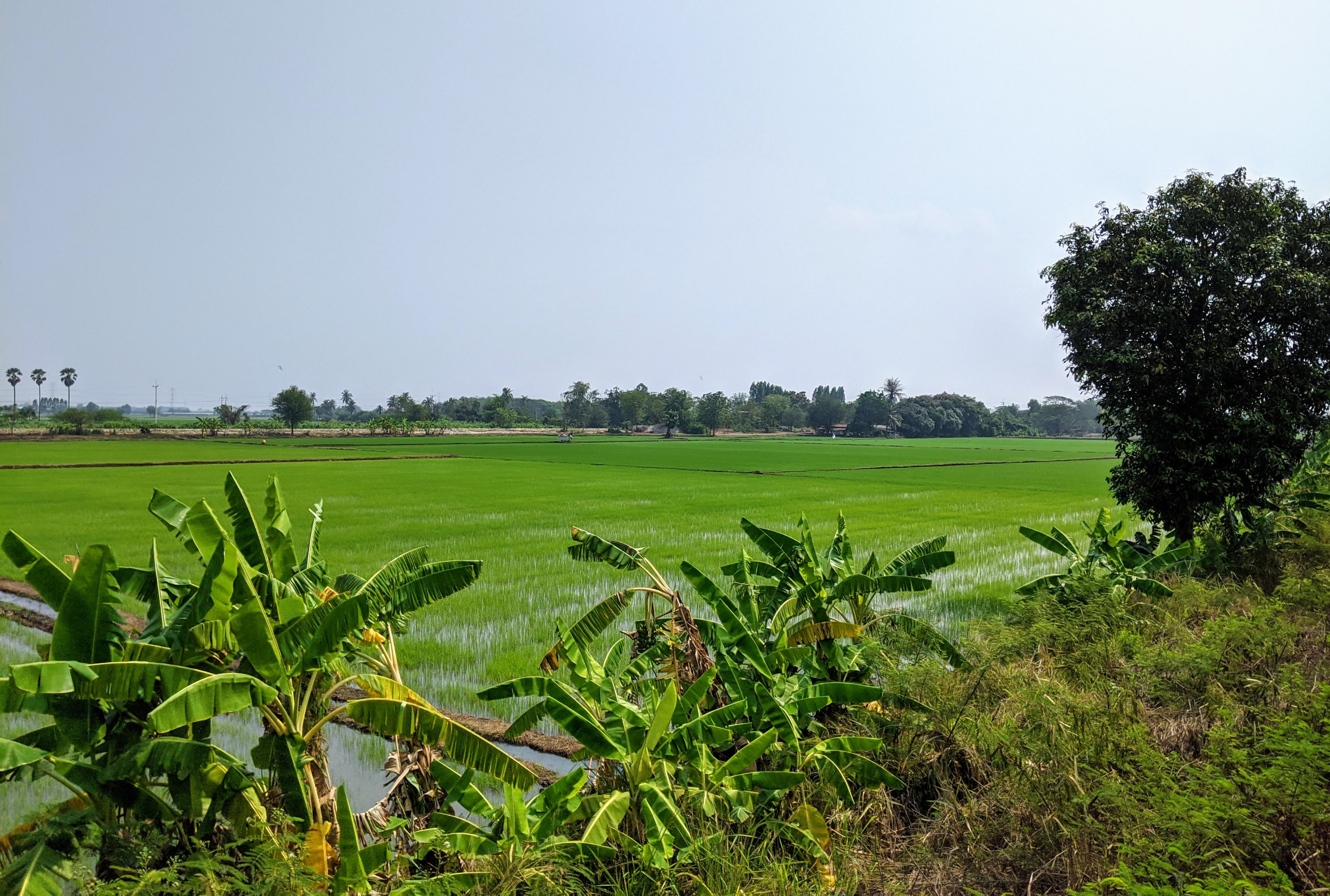
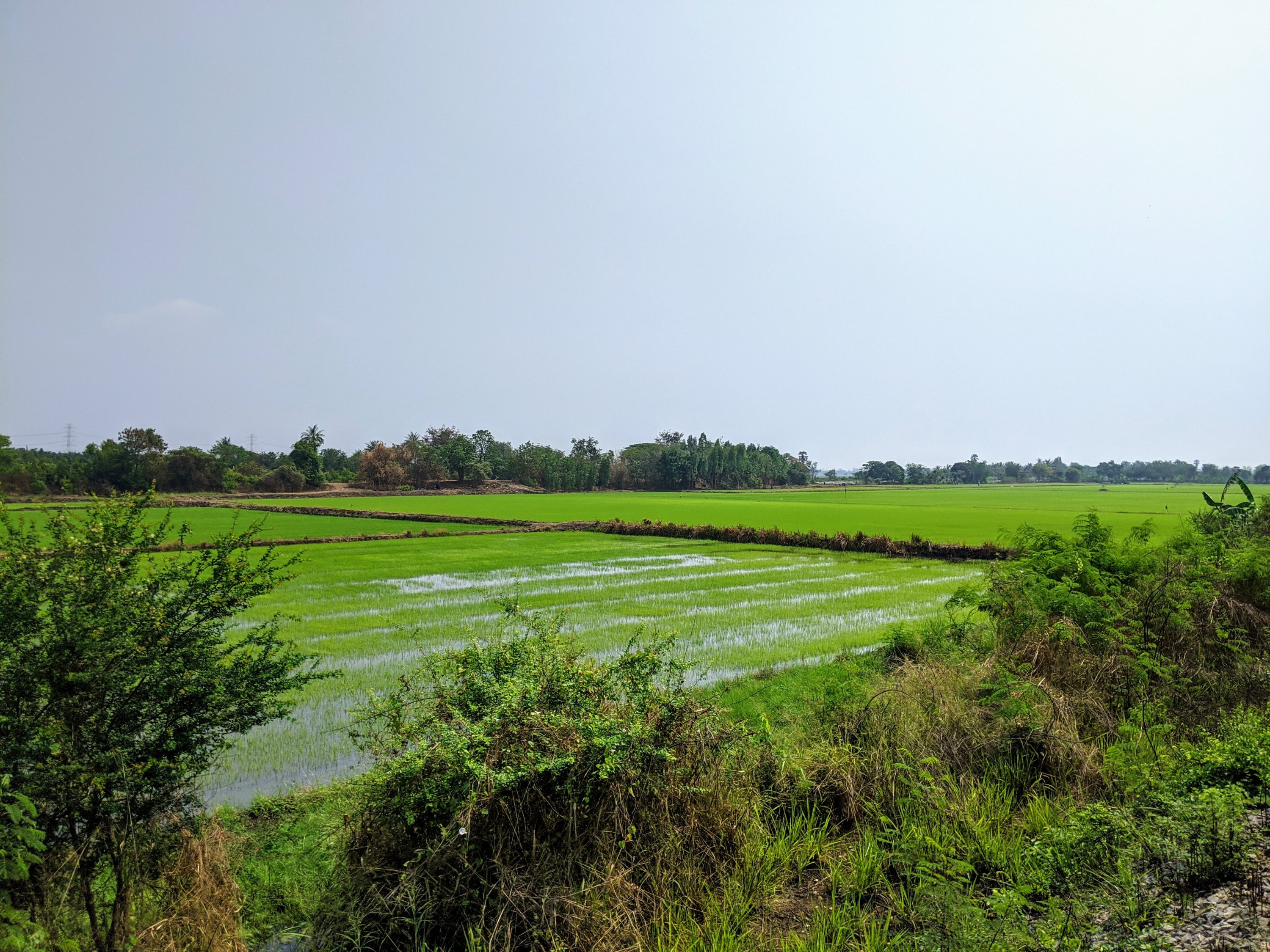
Getting further into the countryside, the scenery gets a bit greener and is dominated by rice fields, vegetables and sugar cane plantations.
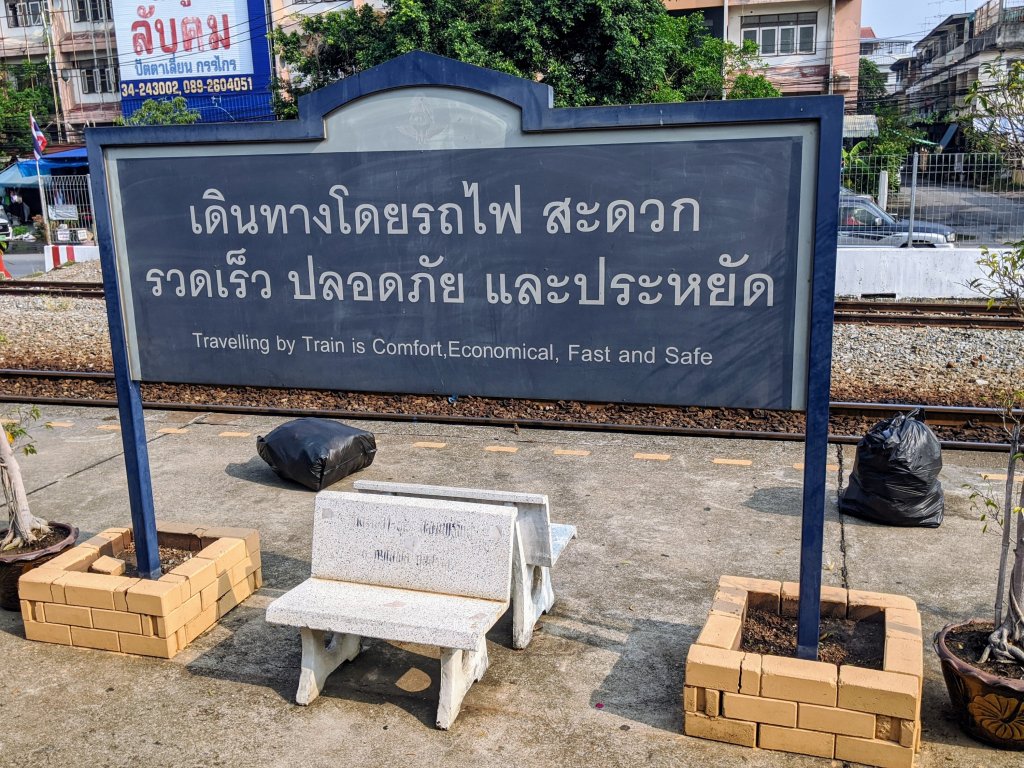
Besides that travelling on the train is dirty (even after a double scrub under the shower, the dirt leaves dark marks on the towel), noisy and slow – despite what the railway authority advertises
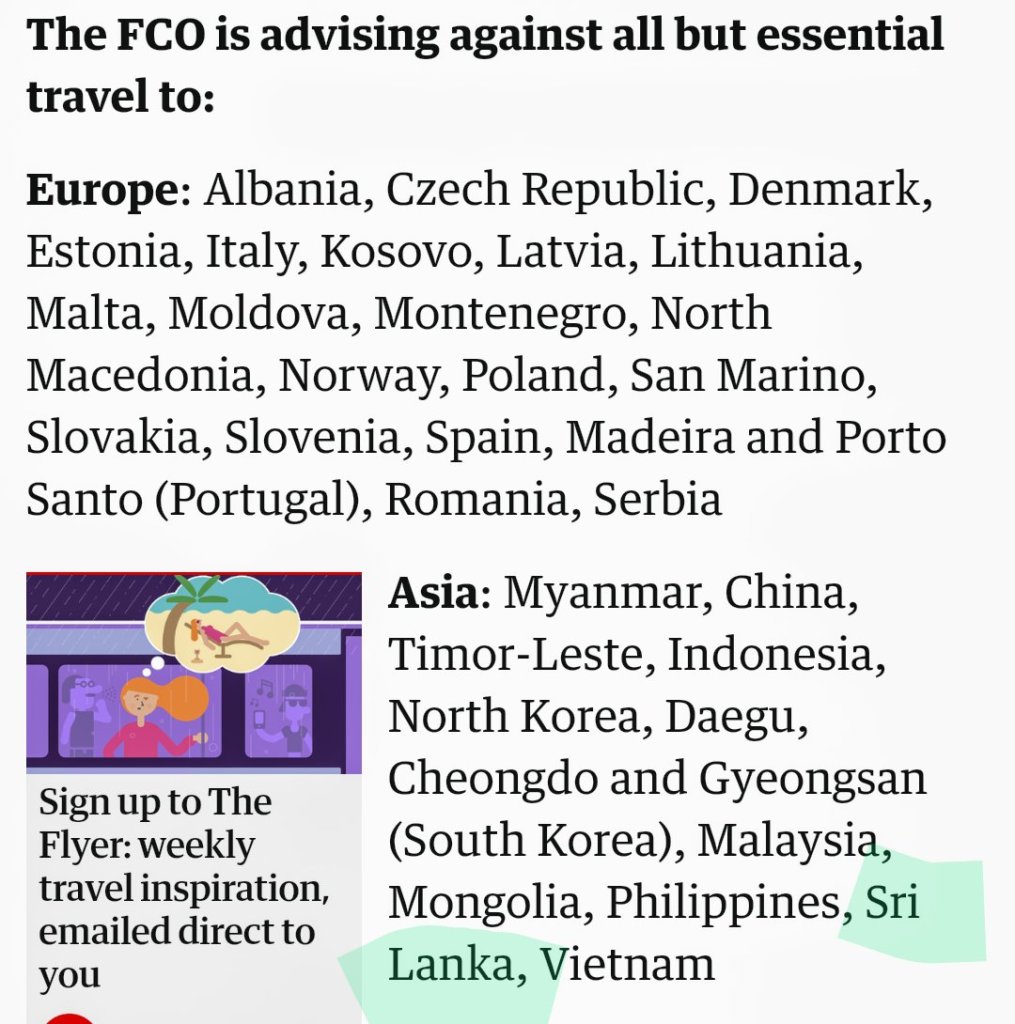
Seems that Coronavirus has finally a real impact on our travel. Some while ago we already adjusted our plans to avoid Hong Kong and booked to go to Sri Lanka instead.
UK foreign office – travel advice, 16th Mar
But the situation is changing rapidly and with the UK foreign office now advising against all travel to Sri Lanka.
We will be cutting our travel short and try to get back to the UK directly from Bangkok. All being well, we should be back home on 1st April.
At least we managed the lions share of our travels. Who knows when we (or anybody) will be able to travel again.
 The Travels of Birgit