As one of Australia’s most famous historical figures, Ned Kelly was born in the colony of Victoria to Irish parents with his father being a transported convict. The Kellys were poor and saw themselves as victims of police persecution.
Ned served several prison sentences for a variety of offences. After shooting three policemen he and his gang were proclaimed outlaws. Kelly and his gang eluded the police for two years, thanks in part to the support of an extensive network of sympathisers.
Demanding justice for his family and the rural poor, he threatened dire consequences against those who defied him.
In 1880, when Kelly’s attempt to derail and ambush a police train failed, he and his gang, dressed in armour engaged in a final gun battle with the police. Kelly, the only survivor, was severely wounded by police fire and captured. Despite thousands of supporters attending rallies and signing a petition for his reprieve, Kelly was tried, convicted and sentenced to death by hanging. Supposedly his last words were reported as “Such is life”. A phrase that has become part of the Australian way of life
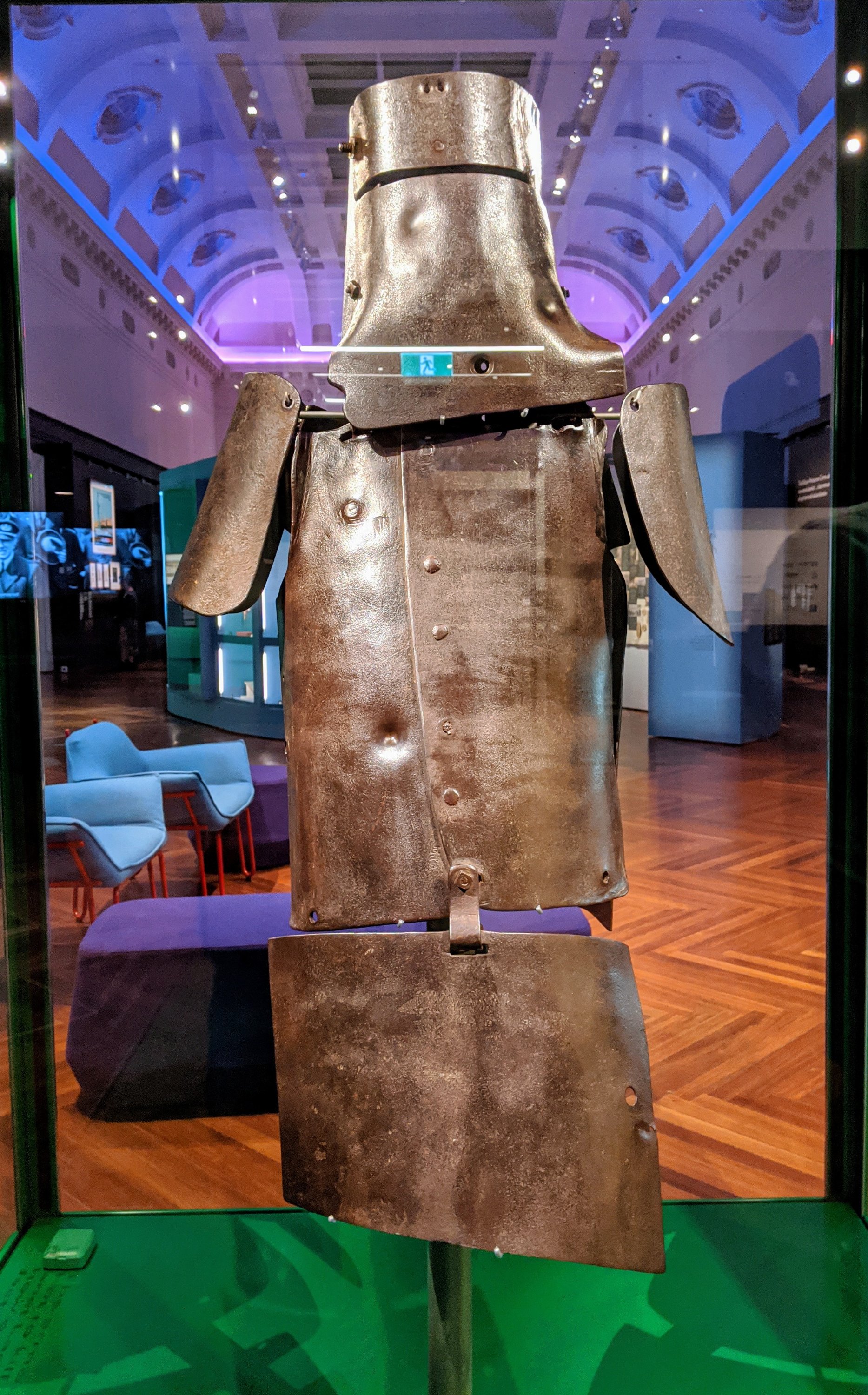
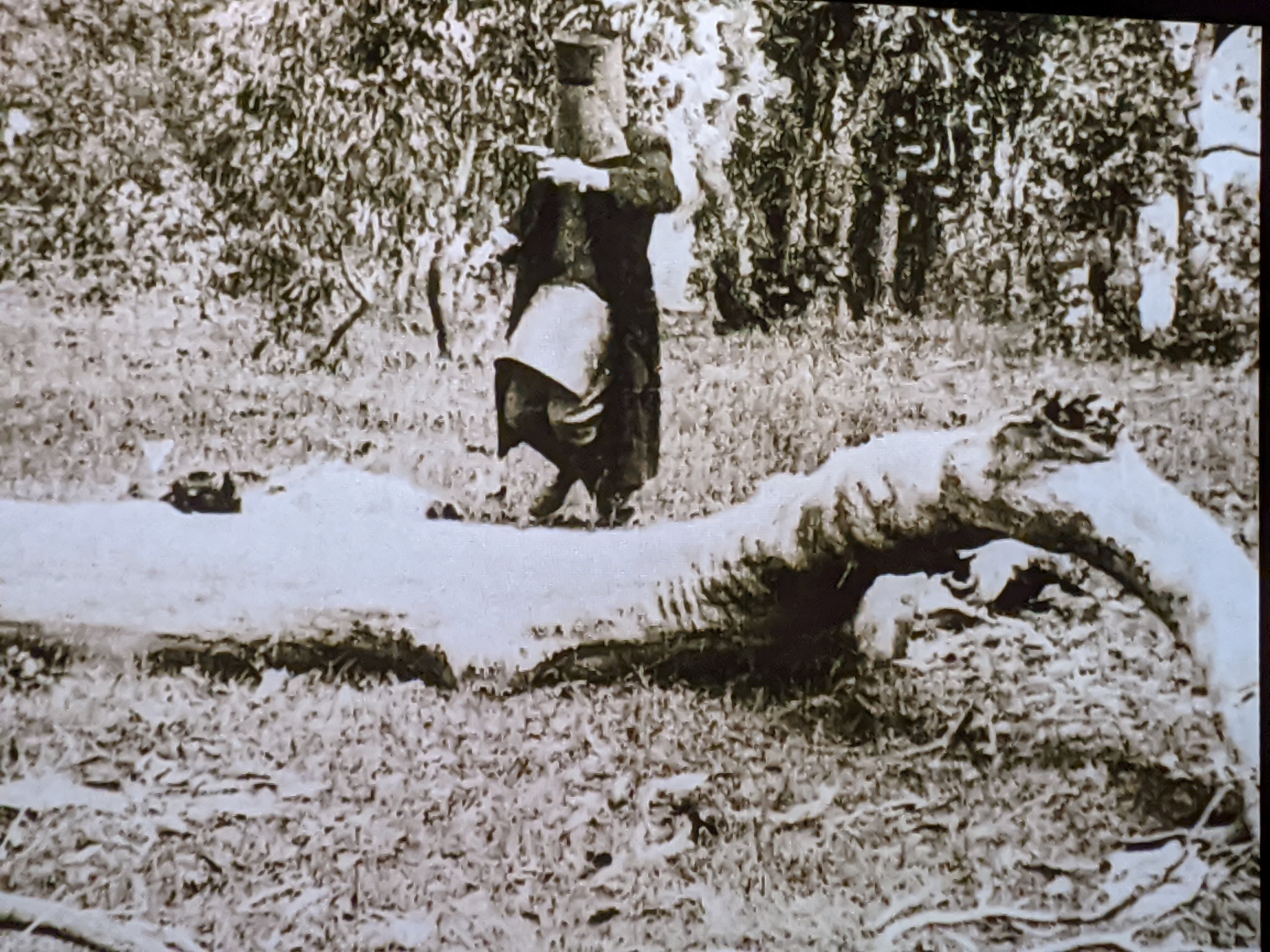
In the time since his execution, Kelly has been mythologised into a “Robin Hood” character, a political icon and a figure of Irish Catholic and working-class resistance to the establishment and British colonial ties.





























 The Travels of Birgit